**Disclaimer: This post contains affiliate links, meaning I may receive a small commission at no extra cost to you if you make a purchase.
If you’ve ever walked into a fabric store or browsed sewing supplies online, you know how quickly things can get overwhelming. Rows of specialty gadgets, rulers with mysterious angles, and tools you didn’t even know existed can make it feel like you need everything to get started.
The Mindset: Start Simple, Upgrade Later
Before we dive into the list, let’s reset expecations.
You don’t need a fully stocked craft room to:
- Learn to sew
- Make gifts
- Start a side hustle
- Create high-quality pieces
Most experienced sewists still reach for the same core tools every single time they sew. Master these first- then expand if you truly need to.
1. A Reliable Sewing Machine (or Needle for Hand Sewing)
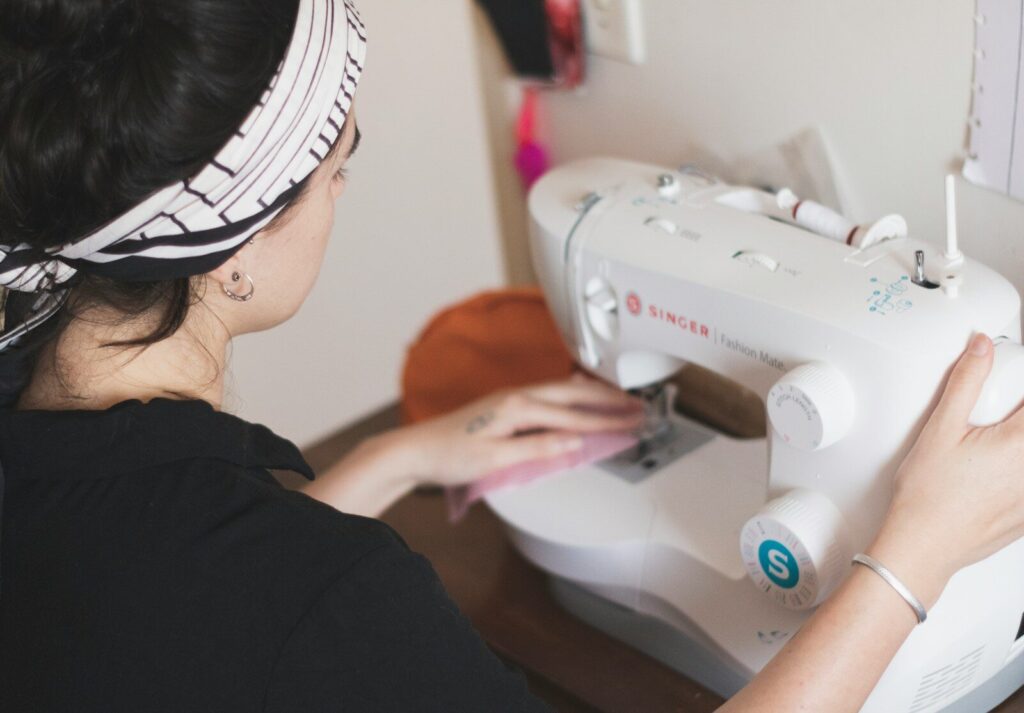
At the heart of sewing is, of course, your stitching tool.
What You Actually Need:
- A basic sewing machine with:
- Straight stitch
- Zigzag stitch
- Adjustable stitch length
That’s it. You don’t need 200 decorative stitches or computerized features when you’re starting out. I use a Singer sewing machine. I prefer the brand. I own two. One is no longer made, but I maintenance it and she keeps performing well for me. The other one is a Singer HD6600C. I bought it because it is much faster than my older machine. It was an upgrade that I purchased after my business gained traction, and I needed another machine. My daughter-in-law worked on one while I used the other.
Budget Tip
A solid beginner machine in the $100-$200 range is more than enough. Many long-time sewists use simple machines daily.
When to Upgrade:
Only upgrade when your current machine limits your projects (like sewing thick layers or needing specialty stitches such as those used for heirloom items).
2. Fabric Scissors (Dedicated Only to Fabric)
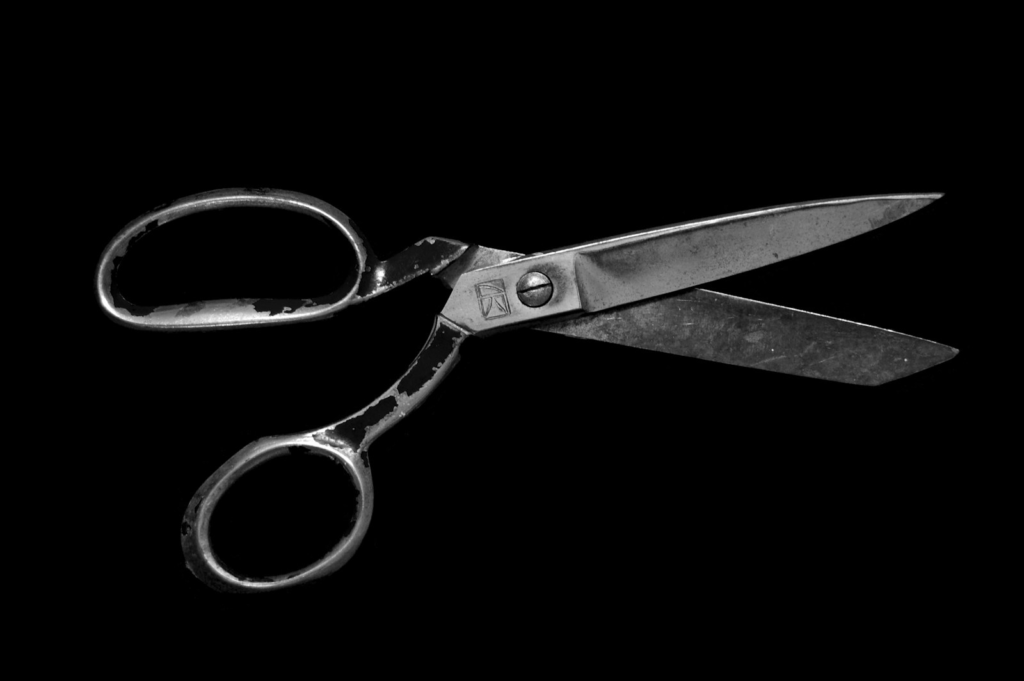
This is non-negotiable.
Why it Matters:
Cutting fabric with dull or misused scissors leads to:
- Jagged edges
- Inaccurate cuts
- Frustration
What You Need:
- One pair of sharp fabric scissors
- I recommend the Fiskars brand as they are fairly affordable. When you can afford to do so, I highly suggest that you purchase a pair of Gingher or Guggenhein. You’ll thank me later!
- Keep them for fabric only (no paper, ever!)
Optional Later:
- Rotary cutter (helpful, but not essential at first)
3. Measuring Tools (Accuracy is Everything)
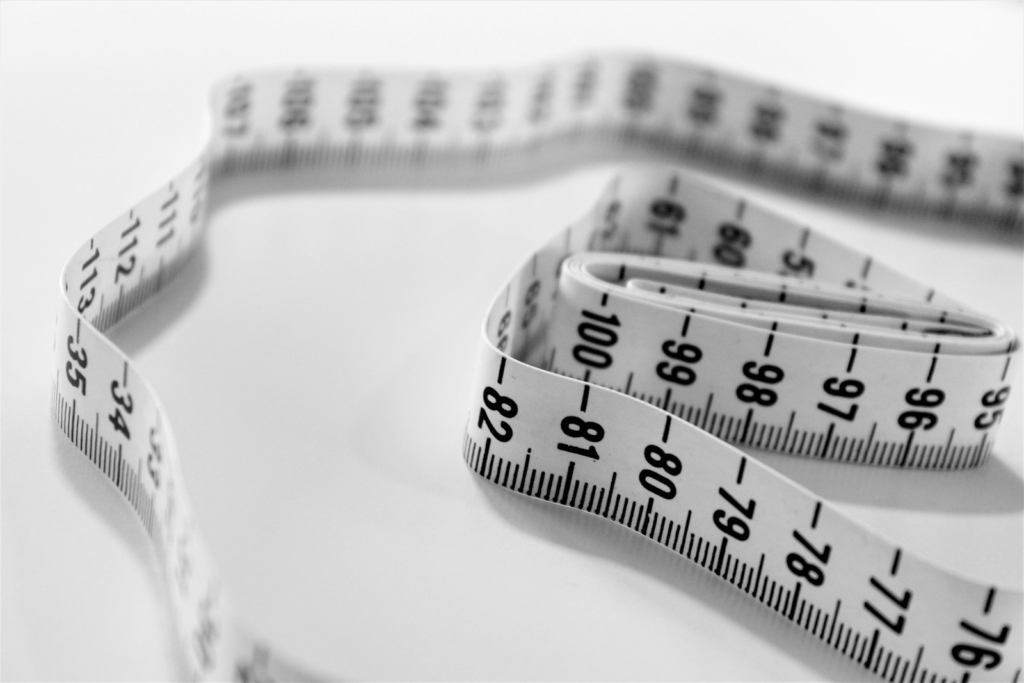
If your measurements are off, your project will be too.
Essentials:
- Flexible measuring tape (for body measurements)
- Clear ruler (at least 6-18 inches)
Why these work:
You don’t need a dozen specialty rulers. These two will handle seam allowances, hem measurements, and pattern adjustments just fine.
4. Thread (Start Small, Choose Wisely)
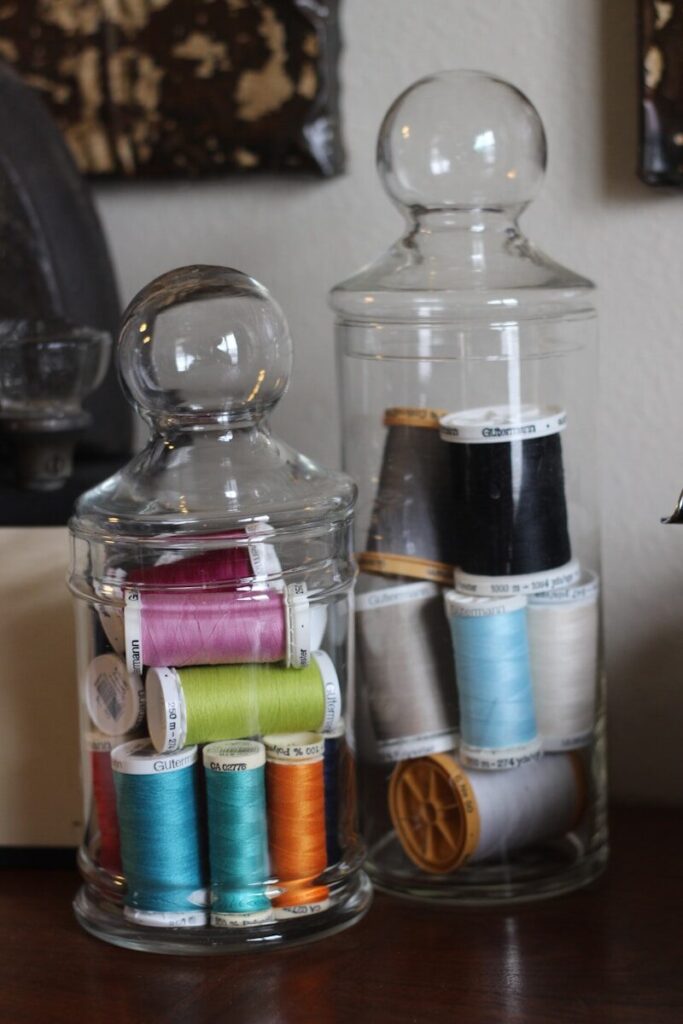
Thread seems simple, but quality matters more than quantity.
What you actually need:
- All-purpose polyester thread
- Start with:
- Black
- White
- Neutral (gray or beige)
Why Not Buy a Huge Set?
Cheap thread usually breaks easily. It can also cause tension problems and can even damage your machine. Stick to a few high-quality spools instead. Plus, thread will age. I have had someone “gift” me their sewing thread only for me to realize when trying to hand sew with it that it easily snapped without a lot of pressure. That’s not something that you want for a seam.
5. Needles (Both Machine and Hand)
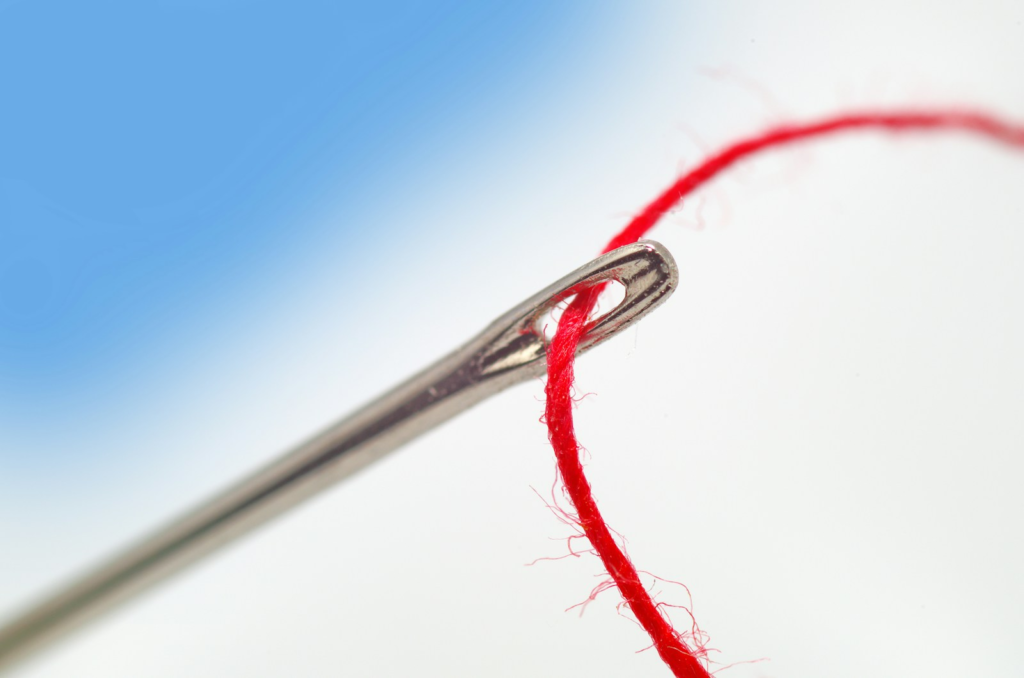
Needles are small- but critical.
You Need:
Universal sewing machine needles (size 80/12 is a great start). As you learn and begin to expand your fabric repertoire, you will want to purchase needles that are made to be used with the fabric you are sewing.
You will also need a small pack of hand sewing needles. These come in handy when you are needing to sew a small hem, sew a ladder stitch to close a stuffed animal, or even making a small repair.
Using the wrong needle can damage fabric, cause skipped stitches, and break your thread. Plus, you will have to change your machine needle after every 6-8 hours of sewing to avoid breaking a needle or causing skipped stitches.
6. Pins (or Clips) to Hold Everything Together
Before you sew, you need to secure your fabric.
Essentials:
- Straight pins
- These do not have to be fancy. Just sharp and rust-resistant
- Pin cushion or magnetic holder
- Optional: Sewing Clips for thicker fabrics
7. Fabric Marking Tool
You’ll need a way to transfer markings onto fabric. Marking helps with cutting lines, darts, and even placement guides. Avoid overbuying. You don’t need five types- just one that works for your fabirc.
Good Starter Options:
- Tailor’s chalk
- Washable fabric pen
- Heat erasable marking pens
8. Seam Ripper (Your Best Friend)
Every sewist- beginner or expert- makes mistakes. It is inevitable. It will happen. And the truth is, you will use this tool more than you expect.
A seam ripper removes stitches cleanly. Fixes errors without ruining fabric. Plus, you can use it to open up your buttonholes.
9. Iron and Ironing Surface
This is the most underestimated tool in sewing.
Pressing (not just ironing) helps to set seams, improve accuracy, and make projects look professional. I use my iron on fabrics before I even cut the pattern out.
You don’t need a fancy iron. A simple household iron and an ironing board (even a small desktop portable one) will work.
10. Simple Storage (Keep it Organized)
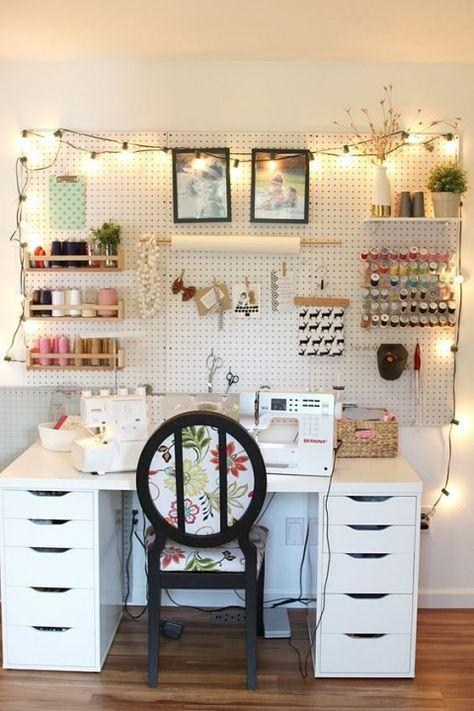
You don’t need a craft room. You simply need a good system.
Many sewists have started at their kitchen table. You will need a small box or basket for your tools, plus a thread storage container. Less clutter will mean less frustration and more sewing for you.
Tools You Don’t Need (Yet)
Here’s where many beginners overspend. These tools are useful- but not necessary when starting out:
- Serger (overlock machine)
- Rotary cutting mat + multiple rulers
- Fancy presser feet sets
- Embroidery machines
- Pattern weights
- Bias tape makers
- Specialty hemming tools
Why Wait?
You won’t fully use these tools until you build skills and understand your sewing style.
Personally, it was years before I purchased my first embroidery machine. Even then, it was not brand new, and still isn’t. I bought a used machine on Ebay for around $50. I wasn’t even sure how to use it, or if I even would use it. It still works great, and I use it for when I have an order requiring personalization. My rotary cutting mat grew as my grandchildren grew and I needed a larger mat to rotary cut out their patterns. I’m now at the largest I will have for some time.
How to Build your Sewing Toolkit (Smart and Budget-Friendly)
If you’re starting from scratch, here’s a simple plan:
Step 1: Buy the Basics Only
Focus on:
- Machine
- Scissors
- Thread
- Needles
- Pins
Step 2: Sew a Few Projects
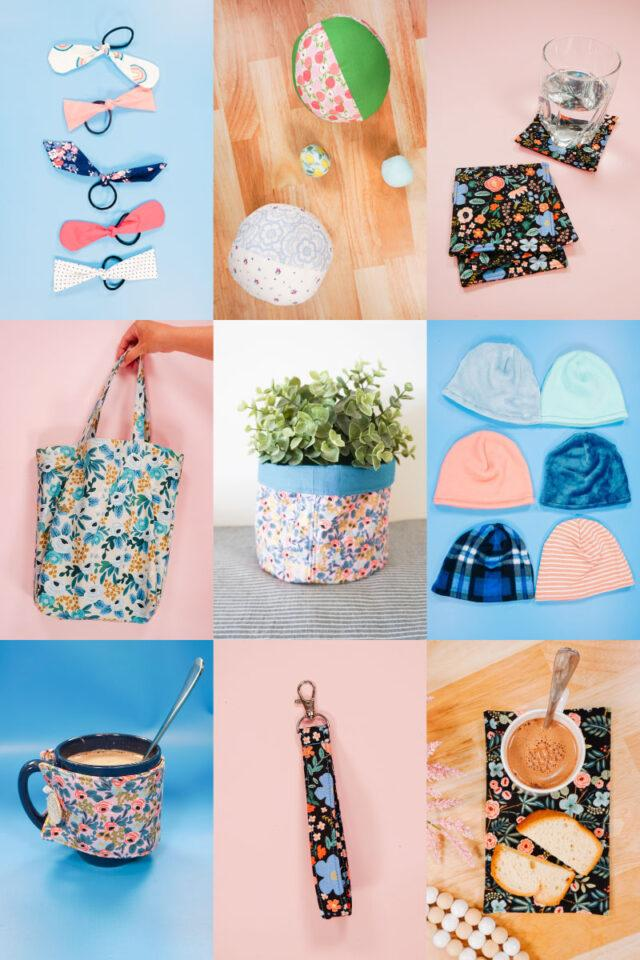
Make things like:
- Pillow covers
- Tote bags
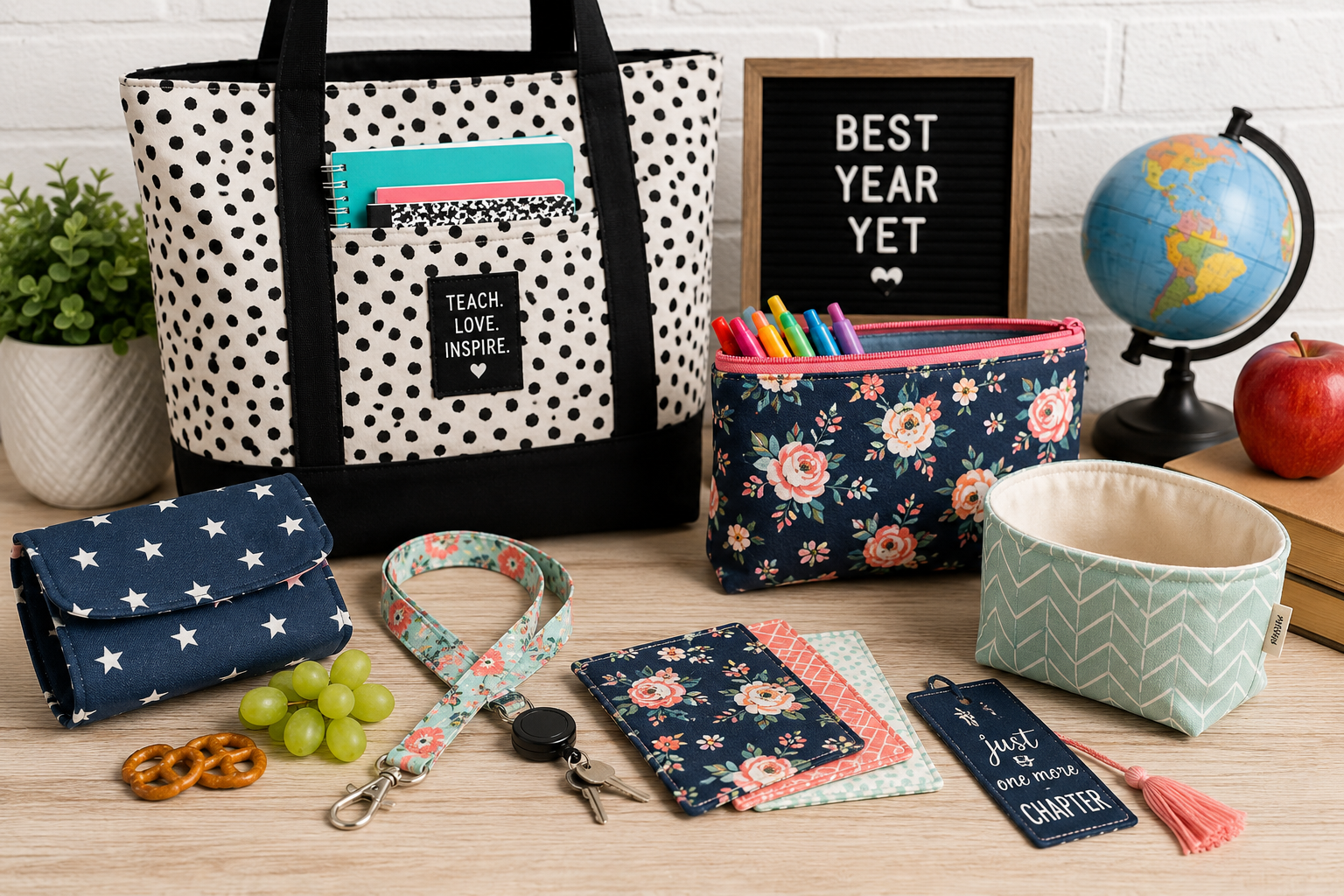
- Pencil pouches
Step 3: Notice What you Actually Need
Ask yourself:
- What slowed me down?
- What would make this easier next time?
Step 4: Upgrade Intentionally
Buy tools based on experience- not impulse.
Real Talk: Skill > Supplies
It’s easy to think better tools = better results.
But in sewing, skill matter more than gadgets. The same goes for practice. Practice matters more than perfection. While you may think that some tool may make you faster, sometimes, doing something repeatedly increases speed. Simplicity will lead to confidence as you build your skills.
Many successful Etsy sellers and small sewing businesses started with one machine, a handful of tools, and a lot of practice.
Final Thoughts
You don’t need a room full of supplies to start sewing- you just need the right ones.
By focusing on essential tools, you will save money, avoid being overwhelmed, and build real skills faster. As you grow, your toolkit will grow with you, but it should always be based on need, not hype.
Quick Checklist: Your Essential Sewing Kit
__ Sewing machine (or hand sewing needles)
__ Fabric Scissors
__ Measuring tape + ruler
__ Thread (black, white, neutral)
__ Needles (machine + hand)
__ Pins or clips
__ Fabric marking tool
__ Seam ripper
__ Iron
__ Simple storage
If you’re building your sewing setup or even planning to turn your skills into income, starting with these essentials will set you up for success- without draining your wallet.
Subscribe to our newsletter! We share the latest tutorials, sewing know how, and teach you to turn your sewing into a business you can be proud of.