Starting an Etsy shop can feel exciting, intimidating, and overwhelming all at the same time—especially when you’re turning your sewing hobby into something that makes money. The good news is that you do not need a fashion degree, a giant craft room, or thousands of social media followers to sell your first handmade product online.
Many successful Etsy sellers started with one simple item, a basic sewing machine, and a willingness to learn as they went.
If you already love sewing, you are sitting on a skill that people will gladly pay for. Handmade products are more popular than ever because shoppers want items that feel personal, useful, and unique. Whether you want extra grocery money, a side hustle, or a future full-time business, Etsy is one of the easiest places to begin.
In this guide, you’ll learn exactly how to start selling your first sewing product on Etsy—even if you’re a complete beginner.
Why Etsy Is Great for Beginner Sewists
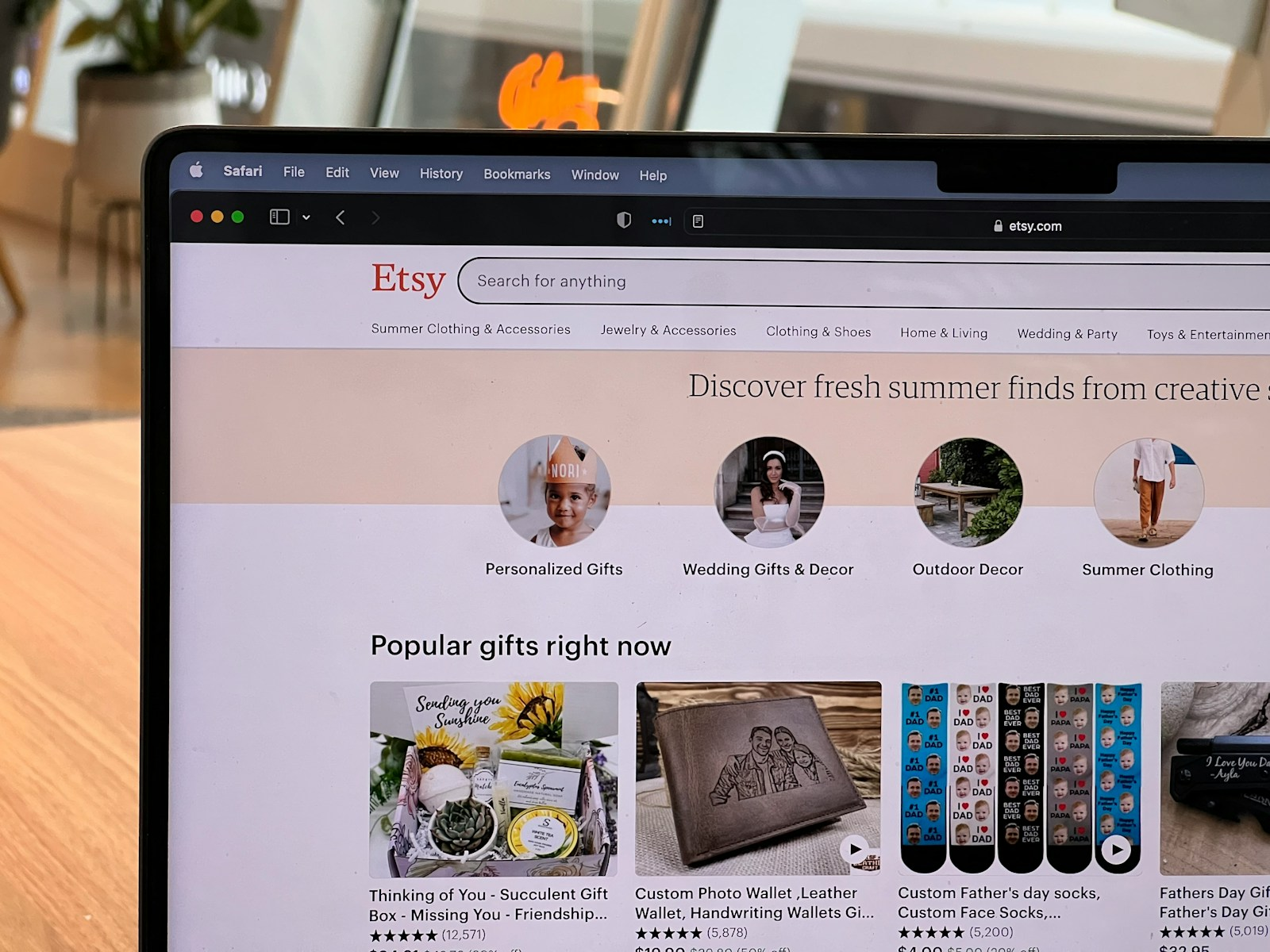
Etsy is built for handmade creators. Unlike giant marketplaces where mass-produced products dominate, Etsy shoppers are specifically searching for handmade, custom, and creative items.
That means people are already looking for things like:
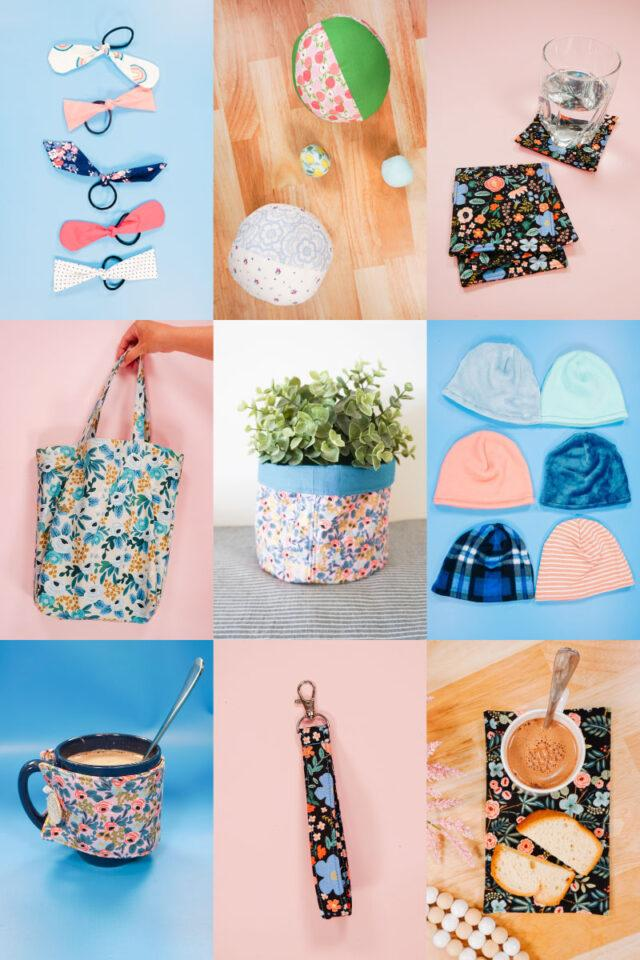
- Dog bandanas
- Tote bags
- Zipper pouches
- Bowl cozies
- Baby bibs
- Scrunchies
- Reusable paper towels
- Fabric bookmarks
- Mug rugs
- Aprons
You don’t need to invent a completely new product. You simply need to create something useful and well-made.
The biggest advantage for beginners is that Etsy already has built-in traffic. Millions of people search Etsy every day. Your job is to create products they want and help them find your shop.
Step 1: Choose the Right First Sewing Product
One of the biggest mistakes beginners make is choosing a product that is too complicated.
Your first Etsy product should be:
- Easy to sew repeatedly
- Low-cost to make
- Beginner-friendly
- Quick to finish
- Easy to ship
- Popular year-round
You want something you can confidently reproduce over and over without stress.
Great First Sewing Products for Beginners
Dog Bandanas
These are one of the easiest sewing products to start with because they:
- Use small amounts of fabric
- Sew quickly
- Ship cheaply
- Have huge demand
Seasonal fabrics make them even more appealing.
Zipper Pouches
People love zipper pouches for:
- Makeup
- School supplies
- Travel
- Organizing bags
They look impressive but can be batch sewn efficiently.
Scrunchies
Scrunchies are inexpensive to make and perfect for practicing consistency.
They also:
- Use fabric scraps
- Sell well in bundles
- Work great for gift sets
Tote Bags
Simple tote bags are practical and beginner-friendly. Neutral fabrics and sturdy construction can help them stand out.
Bowl Cozies
These microwave-safe fabric bowl holders are popular in farmhouse and kitchen décor niches.
Step 2: Research What Actually Sells
Before sewing dozens of products, spend time researching Etsy.
Search for products similar to what you want to sell and look at:
- Number of reviews
- Pricing
- Product photos
- Titles
- Keywords
- Fabric choices
- Product descriptions
You are not copying other sellers. You are learning what customers respond to.
What to Look For
Shops With Lots of Reviews
This tells you the product has demand.
Repeated Styles
If multiple successful shops sell similar items, that is usually a good sign.
Customer Complaints
Read negative reviews carefully.
They reveal opportunities to improve:
- Better stitching
- Faster shipping
- More size options
- Stronger materials
- Better packaging
Step 3: Start With a Small Product Line
You do not need 50 listings to open an Etsy shop.
In fact, starting too big usually leads to burnout.
A better strategy is:
- 3–10 listings
- One product category
- Multiple fabric variations
For example:
- Small floral dog bandana
- Plaid dog bandana
- Holiday dog bandana
- Personalized dog bandana
This keeps your shop focused and easier to manage.
Step 4: Calculate Your Costs Correctly
Many beginners underprice their products because they only think about fabric costs.
But your pricing must include:
- Fabric
- Thread
- Packaging
- Shipping supplies
- Etsy fees
- Electricity
- Machine wear
- Your time
If you ignore these costs, you may work hard and still lose money.
Simple Pricing Formula
A beginner-friendly formula is:
Materials + Labor + Fees + Profit
Example for a dog bandana:
| Expense | Cost |
|---|---|
| Fabric | $1.00 |
| Thread | $0.25 |
| Packaging | $0.75 |
| Etsy fees | $1.50 |
| Labor | $6.00 |
| Profit | $3.50 |
Selling Price = $13.00
Remember:
People are not only paying for fabric.
They are paying for:
- Your skill
- Your time
- Convenience
- Handmade quality
- Creativity
Step 5: Create Products That Look Professional
You do not need industrial equipment to create beautiful products.
But you do need consistency.
Focus on These Basics
Straight Stitching
Crooked seams instantly make products look homemade in a bad way.
Practice sewing straight lines until they become automatic.
Iron Everything
Pressing fabric before and after sewing dramatically improves the final appearance.
Never skip ironing.
Trim Loose Threads
Tiny details matter.
Customers notice messy finishing.
Use Quality Fabric
Cheap fabric often pills, fades, or feels thin.
You do not need the most expensive fabric, but quality matters.
Reinforce Stress Points
Handles, corners, and closures should feel sturdy.
Step 6: Take Better Product Photos
Photos are one of the most important parts of Etsy success.
People cannot touch your product online, so your photos must do the selling.
The good news?
You do not need a fancy camera.
Many successful Etsy sellers use smartphones.
Tips for Better Etsy Photos
Use Natural Light
Photograph near a window during the daytime.
Avoid harsh yellow lighting.
Use Clean Backgrounds
Simple backgrounds help products stand out.
Examples:
- White poster board
- Wooden table
- Neutral fabric
- Clean bedsheet
Show Multiple Angles
Customers want to see:
- Front
- Back
- Close-ups
- Size reference
- Inside details
Use Lifestyle Photos
Show products being used.
Example:
A dog wearing the bandana instead of just laying flat.
Lifestyle photos help buyers imagine owning the product.
Keep Editing Simple
Brighten slightly and sharpen details, but avoid heavy filters.
Step 7: Write Etsy Listings That Get Found
Etsy is a search engine.
Your listing needs keywords so shoppers can find your products.
What Are Keywords?
Keywords are phrases shoppers type into Etsy.
Examples:
- “Blue dog bandana”
- “Cute zipper pouch”
- “Handmade tote bag”
- “Teacher gift sewing”
You want those phrases naturally included in:
- Titles
- Descriptions
- Tags
How to Write a Good Etsy Title
A strong title:
- Clearly describes the product
- Includes keywords
- Sounds natural
Weak Title
“Cute Bandana”
Better Title
“Blue Plaid Dog Bandana | Handmade Pet Scarf | Slip-On Collar Bandana”
The second title gives Etsy more information.
Use All 13 Etsy Tags
Etsy allows 13 tags per listing.
Use them all.
Think like a shopper.
Examples for dog bandanas:
- Dog bandana
- Pet scarf
- Puppy accessory
- Slip on bandana
- Plaid dog bandana
- Small dog gift
- Handmade dog item
Avoid repeating the exact same phrase multiple times.
Step 8: Write Product Descriptions That Build Trust
Your description should answer customer questions before they ask.
Include:
- Materials
- Sizing
- Care instructions
- Processing time
- Shipping info
Example Description Structure
What It Is
Describe the product clearly.
Materials
List fabric type and important details.
Sizing
Include measurements.
Care Instructions
Machine washable? Air dry?
Shipping Information
How long before it ships?
Step 9: Open Your Etsy Shop
Setting up your shop is easier than most beginners expect.
You will choose:
- Shop name
- Banner
- Logo
- Policies
- Payment settings
Choosing a Shop Name
Good Etsy names are:
- Easy to spell
- Memorable
- Related to your niche
Examples:
- The Practical Stitcher
- Cozy Thread Studio
- Pine & Thread Co.
- Sew Happy Handmade
Avoid:
- Long complicated names
- Hard-to-spell words
- Random numbers
Step 10: Understand Etsy Fees
Etsy charges several fees.
These include:
- Listing fee
- Transaction fee
- Payment processing fee
Many beginners panic about fees, but remember:
Etsy provides access to millions of shoppers.
It is part of doing business.
Always include fees in your pricing calculations.
Step 11: Package Your Products Nicely
Packaging matters more than people realize.
A beautifully packaged product feels more valuable.
You do not need expensive custom boxes.
Simple can still feel professional.
Easy Packaging Ideas
- Kraft mailers
- Tissue paper
- Thank-you cards
- Branded stickers
- Twine or ribbon
Small touches create memorable experiences.
Happy customers are more likely to:
- Leave reviews
- Recommend your shop
- Buy again
Step 12: Ship Quickly and Reliably
Fast shipping helps build trust.
Customers love clear communication.
Beginner Shipping Tips
Use a Kitchen Scale
Accurate weights prevent postage mistakes.
Print Labels at Home
This saves time and money.
Offer Tracking
Tracking reduces customer anxiety.
Ship Earlier Than Expected
Underpromise and overdeliver.
Step 13: Expect Slow Growth at First
One of the hardest parts of Etsy is the beginning.
Many new sellers expect instant sales.
Usually, it takes time.
That is normal.
Your first month may look like:
- Few views
- No sales
- Little traffic
Do not panic.
Every successful Etsy shop started at zero.
Consistency matters more than instant success.
Step 14: Improve With Every Sale
Your first customers are incredibly valuable.
Pay attention to:
- Questions buyers ask
- Which products get clicks
- Which products sell fastest
- Reviews and feedback
Use this information to improve your shop.
Step 15: Avoid Common Beginner Mistakes
Mistake #1: Pricing Too Low
Cheap pricing often hurts more than it helps.
People may assume low-quality.
Charge fairly.
Mistake #2: Using Dark Photos
Poor photos reduce clicks dramatically.
Photography matters.
Mistake #3: Selling Too Many Different Things
A focused shop usually performs better.
Example:
A shop selling only pet accessories feels stronger than one selling random unrelated items.
Mistake #4: Quitting Too Soon
Many people quit before momentum builds.
Etsy success often grows slowly.
Mistake #5: Ignoring SEO
Great products still need searchable listings.
Learn basic Etsy keywords.
Step 16: Learn What Products Scale Easily
Some sewing products are easier to grow into a business than others.
The best scalable products:
- Use repeatable patterns
- Sew quickly
- Use inexpensive materials
- Have simple shipping
Products that take 8 hours to sew may become difficult to scale.
Efficiency matters.
Step 17: Create Seasonal Products
Seasonal products can dramatically boost sales.
Examples:
- Christmas dog bandanas
- Halloween tote bags
- Valentine scrunchies
- Teacher appreciation gifts
- Back-to-school pouches
Shoppers buy seasonally months in advance.
Start listing holiday items early.
Step 18: Use Social Media to Bring Traffic
You do not need to become an influencer.
But social media can help drive Etsy traffic.
Best Platforms for Sewing Sellers
Excellent for:
- Sewing tutorials
- Product photos
- Seasonal items
Pinterest traffic can continue for months or years.
TikTok
Short sewing videos perform surprisingly well.
People love:
- Process videos
- Fabric reveals
- Packaging orders
- Sewing transformations
Great for branding and repeat customers.
Step 19: Build Repeat Customers
Repeat buyers are easier than constantly finding new customers.
Ways to encourage repeat business:
- Include thank-you notes
- Offer coupon codes
- Create matching products
- Provide excellent customer service
Customer experience matters.
Step 20: Think Long-Term
Your first Etsy shop does not need to be perfect.
Your goal is progress—not perfection.
The first sale teaches you:
- How Etsy works
- What customers want
- What products sell
- What you enjoy making
Over time, you can:
- Raise prices
- Improve branding
- Expand products
- Create digital sewing patterns
- Launch your own website
- Build a real handmade business
Every successful seller started as a beginner.
Final Encouragement for Beginner Etsy Sellers
If you are waiting until you feel “ready,” you may wait forever.
The truth is that most Etsy sellers learn by doing.
Your first product probably will not be perfect.
Your first photos may feel awkward.
Your first listing may need improvement.
That is okay.
What matters is getting started.
Sewing is a valuable skill that can absolutely become income. Whether you want a small side hustle or a full handmade business, Etsy gives you a place to begin with very little upfront investment.
Start with one simple product.
Learn the platform.
Improve as you go.
Your first sale may feel small to someone else—but to you, it could be the beginning of something life-changing.
Want more great ideas? Subscribe to our newsletter!