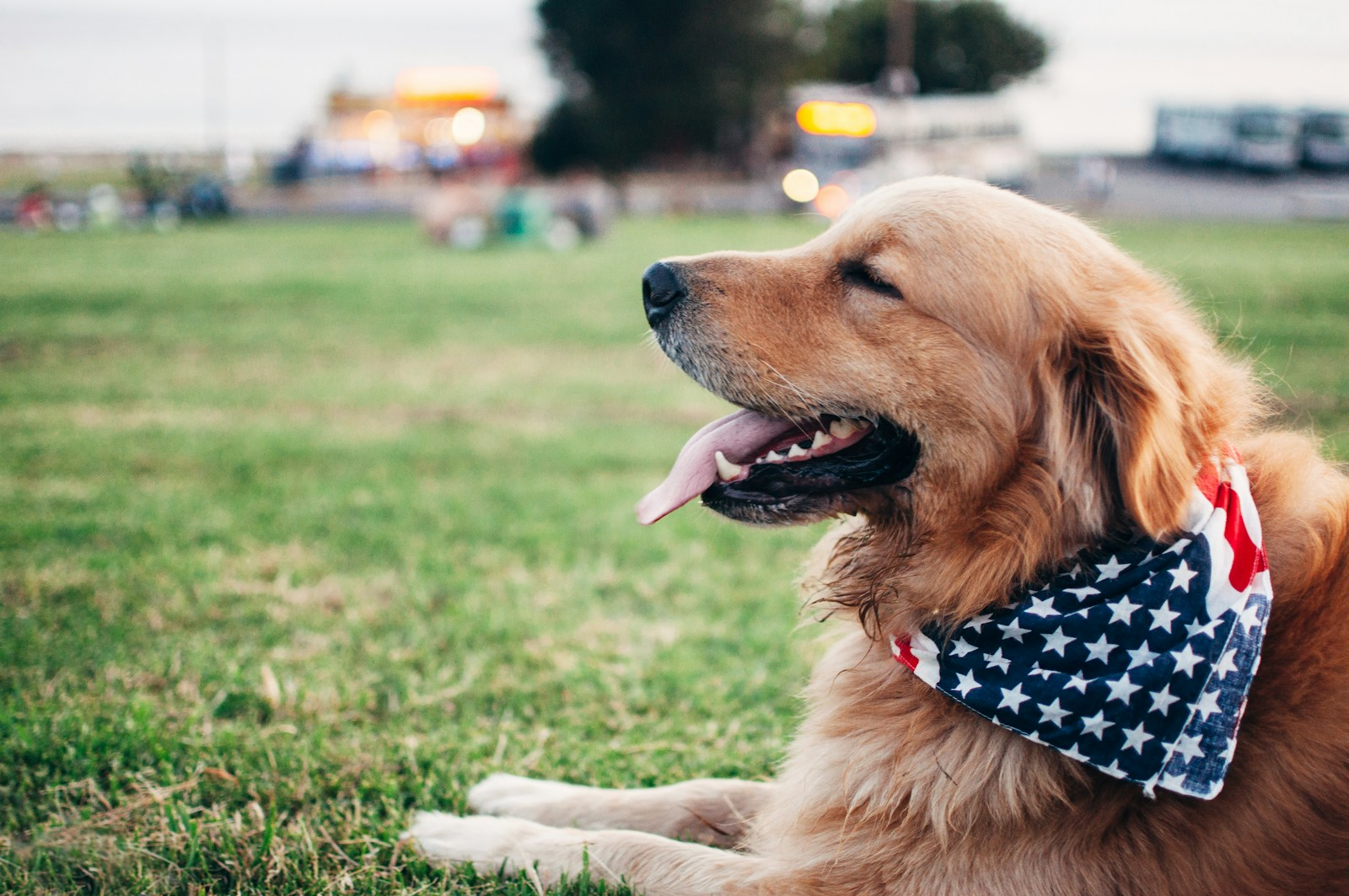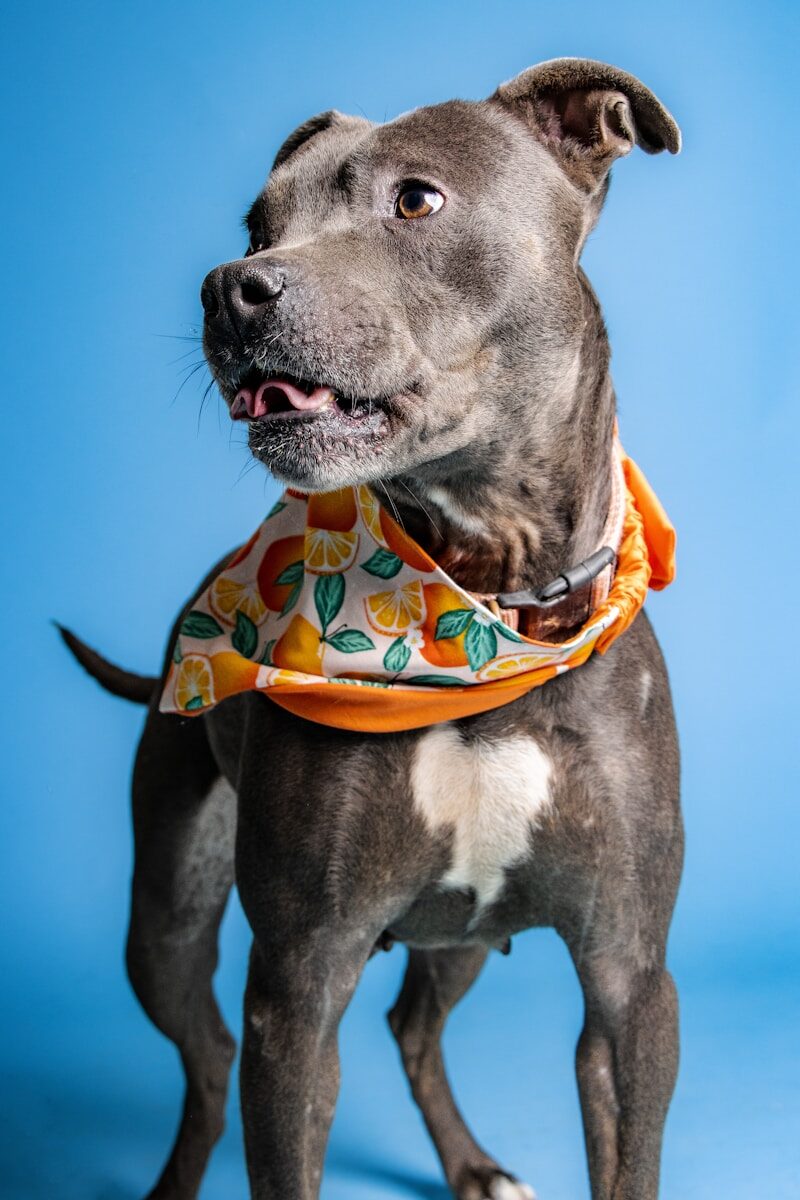
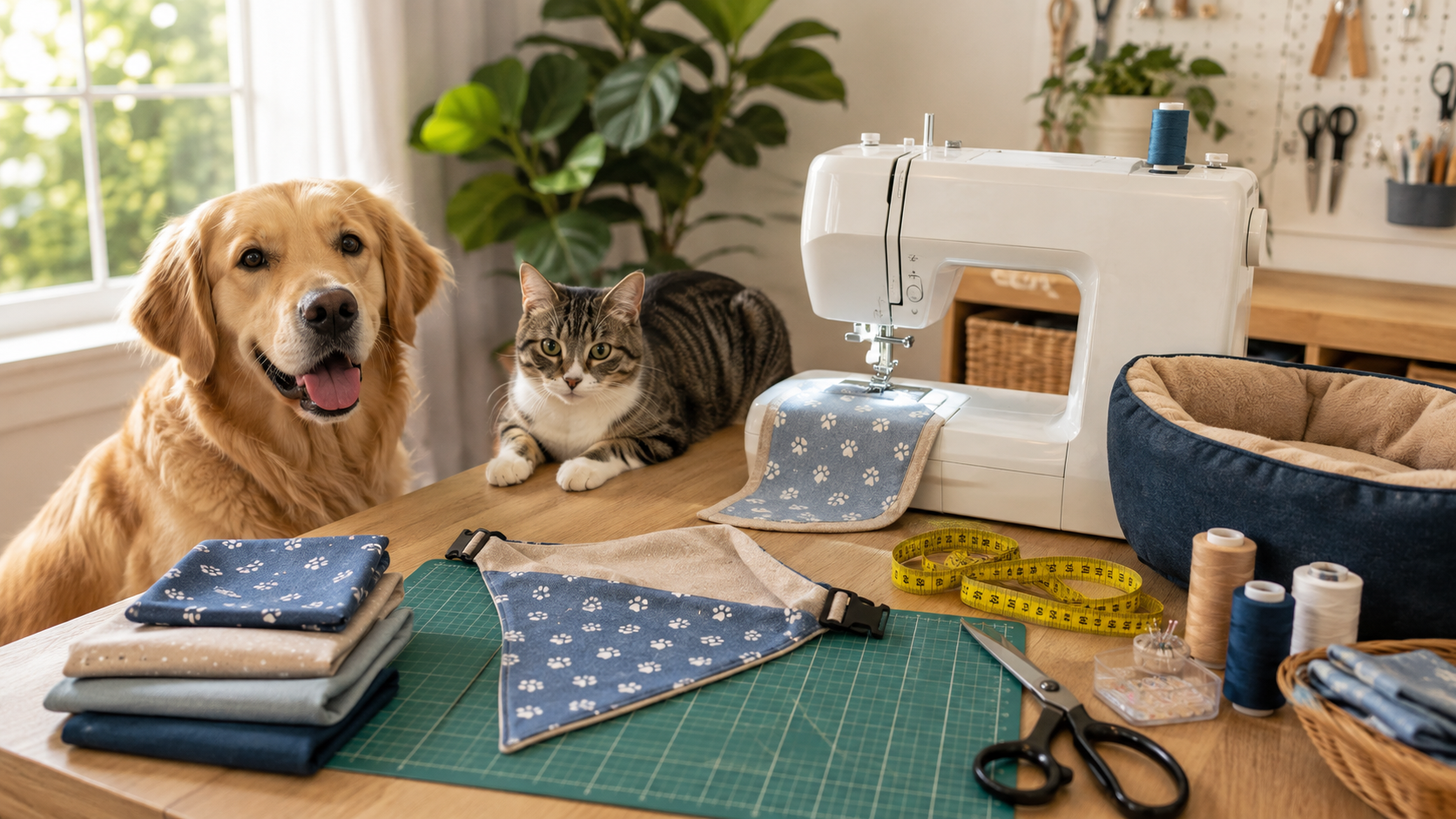
Sewing for pets can be a fun and rewarding way to use your fabric stash, practice new techniques, and create useful items for the animals you love. From dog bandanas and cat beds to crate mats and durable toys, there are countless pet sewing projects to try.
However, pet projects require a little more planning than ordinary home décor or accessory projects. Animals chew, scratch, pull, roll, and sometimes try to eat things they should not. A project that looks adorable may not be safe, comfortable, or practical for everyday use.
Before beginning your next pet sewing project, watch out for these common mistakes.
1. Choosing Fabric Based Only on Appearance
A cute print may catch your eye, but appearance should not be the only factor you consider when choosing fabric for a pet project.
Pet items need to withstand fur, dirt, moisture, claws, chewing, and frequent washing. Delicate fabrics may fray, snag, or tear quickly.
For most pet projects, consider durable fabrics such as:
- Cotton canvas
- Denim
- Fleece
- Duck cloth
- Quilting cotton with interfacing
- Outdoor fabric
- Upholstery fabric
Always consider how the finished item will be used. A soft fleece may work well for a blanket, while sturdy canvas may be more appropriate for a toy or travel accessory.
2. Using Unsafe Embellishments
Buttons, beads, pom-poms, bells, ribbons, and decorative charms can make a project look adorable. Unfortunately, they may also become choking hazards.
Pets may pull, chew, or scratch at anything attached to an item. Small decorations can come loose and be swallowed.
Avoid adding embellishments that can easily be removed. Decorative stitching, fabric appliqué, and securely enclosed details are generally better options than loose accessories.
Even securely attached decorations should be inspected regularly for damage.
3. Forgetting About Seam Strength
Standard seams may not be strong enough for items that will be pulled, chewed, or dragged around the house.
Use a shorter stitch length and reinforce areas that will experience stress. Backstitch at the beginning and end of each seam, and consider sewing a second line of stitching for added strength.
For projects such as tug toys, leashes, harness accessories, or crate attachments, use sturdy thread and reinforced seams.
A project may look finished on the outside, but strong construction is what helps it last.
4. Leaving Loose Threads
Loose threads are more than a cosmetic issue when sewing for pets. A pet may chew or pull on a dangling thread, causing a seam to unravel.
Trim thread tails carefully and check the entire project before giving it to your pet. Inspect corners, openings, appliqués, and areas where several seams meet.
It is also important to check the item regularly after use. If threads begin to loosen, repair the project before allowing your pet to use it again.
5. Using the Wrong Filling
Not every stuffing material is appropriate for pet projects.
Loose fiberfill can become dangerous if a pet tears open a toy or bed and swallows the stuffing. Foam pieces and fabric scraps can also create problems if ingested.
For stuffed projects, use materials that are appropriate for the intended purpose. Avoid overfilling toys because tightly packed stuffing can place extra pressure on seams.
Consider adding an inner lining to beds, cushions, and toys. A separate lining can help keep the filling contained if the outer fabric becomes damaged.
No stuffed toy is completely indestructible, so pets should be supervised during play.
6. Ignoring the Pet’s Measurements
Pet sizes can vary greatly, even among animals of the same breed. Using a general size label without measuring may result in an item that is too tight, too loose, or uncomfortable.
Before sewing wearable pet accessories, measure the animal carefully. Depending on the project, you may need to measure:
- Neck circumference
- Chest circumference
- Back length
- Head width
- Leg length
Leave enough room for comfortable movement. A wearable item should never restrict breathing, walking, sitting, or lying down.
When possible, create a test version using inexpensive fabric before cutting into your final material.
7. Making Items Too Tight
Bandanas, collars, costumes, and other wearable accessories should fit securely without being restrictive.
As a general guideline, you should be able to slide two fingers comfortably between the item and the pet. However, the correct fit may vary depending on the type of accessory.
Avoid attaching anything tightly around the neck that cannot break away or be removed quickly. Never leave a pet unattended while wearing a costume or decorative accessory.
Comfort and safety should always be more important than appearance.
8. Making Items Too Loose
An accessory that is too loose can also be dangerous. Pets may catch a paw, tooth, or claw inside an opening. Loose fabric may snag on furniture, crates, fences, or branches.
Check that straps, loops, and openings are the correct size. Avoid long dangling ties or cords.
If an item includes elastic, make sure it is secure without being tight. Elastic should also be fully enclosed whenever possible so the pet cannot chew it.
9. Forgetting About Washability
Pet items will eventually become dirty. Beds collect fur, blankets develop odors, and accessories may come into contact with mud, food, or water.
Before sewing, think about how the item will be cleaned.
Choose washable fabrics and prewash them before cutting. Prewashing helps prevent shrinking, bleeding, or distortion after the project is finished.
For pet beds and cushions, consider adding a removable cover with a zipper or hook-and-loop closure. A removable cover is much easier to wash than an entire stuffed bed.
10. Using Closures Pets Can Easily Chew
Zippers, snaps, hook-and-loop tape, and buckles can be useful, but their placement matters.
Do not place closures where the pet can easily reach and chew them. Cover zipper ends and secure all closure components carefully.
When using hook-and-loop tape, make sure the rough side will not rub against the pet’s skin or fur.
Closures should be strong enough to function properly but easy for the owner to open when necessary.
11. Assuming Handmade Means Indestructible
Even strong fabric and reinforced seams can eventually become damaged.
Pets have different chewing and play habits. A toy that lasts for months with one dog may be destroyed within minutes by another.
Inspect handmade pet items frequently. Remove the item immediately if you notice:
- Torn fabric
- Exposed stuffing
- Broken closures
- Loose threads
- Cracked plastic pieces
- Damaged elastic
- Detached decorations
Handmade pet toys and accessories should always be used with appropriate supervision.
12. Skipping a Final Safety Inspection
Before giving the finished project to your pet, inspect every part of it.
Pull gently on seams, straps, tabs, and appliqués. Check for sharp pins, broken needles, exposed wire, rough edges, or loose components.
Make sure there are no small fabric pieces or thread clippings trapped inside the project.
A thorough final inspection takes only a few minutes and can prevent serious problems.
13. Creating Toys That Are Too Small
A toy that is too small may become a choking hazard, especially for larger pets.
Choose a toy size that is appropriate for the animal’s mouth and body size. The pet should not be able to swallow the toy or fit the entire item inside its mouth.
When sewing toys to sell, clearly label the approximate size and remind customers to choose an appropriate option for their pet.
14. Not Considering the Pet’s Behavior
Every pet is different. Some animals gently carry toys, while others immediately try to tear them apart. Some pets tolerate clothing, while others become anxious or uncomfortable.
Consider the pet’s personality and habits before selecting a project.
A heavy chewer may need a sturdy, flat toy without stuffing. An anxious pet may prefer a soft crate mat or comfort blanket instead of a wearable accessory.
The best handmade pet item is one that fits the animal’s actual needs.
15. Selling Pet Products Without Clear Instructions
When selling handmade pet items, include clear care and safety information.
Your product description or packaging should explain:
- Recommended use
- Approximate size
- Fabric and filling materials
- Washing instructions
- Supervision requirements
- When to replace the item
Avoid describing a toy as indestructible or completely safe. Instead, remind buyers to supervise their pets and remove damaged items.
Clear instructions help customers use your products responsibly and protect the reputation of your sewing business.
Final Thoughts
Sewing for pets allows you to create thoughtful, useful projects that can be customized for different animals and personalities. The key is to plan each project with safety, durability, comfort, and easy cleaning in mind.
Choose strong materials, reinforce your seams, avoid loose decorations, and inspect every item before use. Most importantly, remember that no handmade pet product should replace responsible supervision.
With careful construction and regular inspection, your handmade pet projects can be both adorable and practical.