If you make handmade products, you already know how much time, creativity, and effort goes into every piece. Whether you sew dog bandanas, zipper pouches, tote bags, quilts, scrunchies, or home décor, your products deserve marketing materials that make people stop scrolling and pay attention.
The good news? You do not need a huge budget or a graphic design degree to create beautiful marketing materials that help your handmade business grow.
With a few simple tools and a consistent style, you can create professional branding that helps customers recognize your products, trust your shop, and remember your business long after they buy from you.
In this guide, you’ll learn:
- What marketing materials every handmade seller needs
- How to create a cohesive brand style
- Easy free and low-cost tools to use
- Tips for Etsy, Pinterest, craft fairs, and social media
- Common mistakes handmade sellers make
- How to make your products look more valuable
Why Marketing Materials Matter for Handmade Businesses
Your products may be amazing, but customers cannot touch or inspect them online. That means your photos, graphics, packaging, and branding must do the selling for you.
Good marketing materials help:
- Build trust
- Increase perceived value
- Create brand recognition
- Encourage repeat customers
- Make your products look more professional
- Help your business stand out in crowded marketplaces
Think about it this way:
A handmade dog bandana photographed on a wrinkled blanket with dark lighting feels very different from the same bandana styled with clean branding, polished photos, and matching packaging.
Presentation changes how customers view quality.
Step 1: Create a Simple Brand Identity
Before creating marketing materials, decide what your brand should feel like.
Ask yourself:
- Is your brand cozy and rustic?
- Modern and minimal?
- Bright and playful?
- Farmhouse-inspired?
- Elegant and luxury-focused?
Your brand identity should stay consistent across:
- Logos
- Fonts
- Colors
- Photos
- Packaging
- Social media graphics
- Website design
Choose 3–5 Brand Colors
Avoid using random colors on every graphic.
Instead, pick a small palette that reflects your style.
For example:
Cozy Handmade Brand
- Cream
- Warm beige
- Dusty blue
- Sage green
Modern Sewing Brand
- Black
- White
- Soft gray
- Muted blush
Fun Pet Accessory Brand
- Bright teal
- Coral
- Yellow
- White
Consistency makes your business look established and professional.
Step 2: Design a Logo That Fits Your Style
Your logo does not need to be complicated.
In fact, simple logos often work best for handmade businesses.
A strong handmade logo should:
- Be readable
- Look good small or large
- Match your brand personality
- Work on packaging and social media
Easy Logo Ideas
Text-Based Logo
Use a pretty font with your business name.
Example:
The Practical Stitcher
Simple Icon Logo
Add:
- A needle
- Scissors
- Thread spool
- Paw print
- Sewing machine silhouette
Minimal Badge Logo
Circular logos work well for stickers and packaging.
Step 3: Use Canva for Most Marketing Materials
If you are a beginner, Canva is one of the best tools available.
You can create:
- Pinterest pins
- Etsy banners
- Product thank-you cards
- Business cards
- Flyers
- Instagram posts
- Product care cards
- Price sheets
- Packaging inserts
Why Handmade Sellers Love Canva
- Beginner-friendly
- Free version available
- Thousands of templates
- Drag-and-drop editing
- Easy brand kits
- Printable designs
Once you choose your colors and fonts, save them in Canva so every graphic stays consistent.
Step 4: Take Better Product Photos
Your photos are your most important marketing material.
Even simple handmade products can look high-end with good photography.
Use Natural Lighting
Window light is usually best.
Avoid:
- Yellow indoor lighting
- Harsh overhead lights
- Dark shadows
The best setup is often:
- Near a large window
- During daytime
- With white foam boards reflecting light
Step 5: Create Product Lifestyle Photos
Lifestyle photos help customers imagine using your product.
Instead of only showing a product flat on a table, show it in real life.
Examples
Dog Bandanas
- On a real dog
- Styled outdoors
- With pet accessories
Tote Bags
- Carried by someone
- Styled with books or flowers
Pencil Pouches
- Filled with supplies
- On a desk setup
Lifestyle images feel more emotional and relatable.
Step 6: Create Pinterest Pins for Every Product
Pinterest is powerful for handmade businesses because pins can drive traffic for months or years.
Every product or blog post should have multiple Pinterest graphics.
What Makes a Good Pinterest Pin?
Vertical Design
Pinterest prefers tall images.
Large Easy-to-Read Text
People scroll quickly.
Strong Keywords
Example:
- “Easy Handmade Dog Bandanas”
- “Beginner Sewing Project”
- “Handmade Gifts to Sell”
Bright Clear Photos
Avoid cluttered backgrounds.
Step 7: Design Thank-You Cards
A thank-you card makes your business feel personal and memorable.
It also encourages repeat purchases.
Include:
- A thank-you message
- Your business name
- Social media handles
- Website
- Care instructions
- Coupon code for next order
Example:
Thank you for supporting my small handmade business!
Your order was sewn with care in my home studio.
Use code THANKYOU10 for your next order.
This small detail can dramatically improve customer loyalty.
Step 8: Create Packaging Inserts
Packaging inserts can:
- Increase repeat sales
- Encourage social sharing
- Build your email list
Great Insert Ideas
Product Care Card
Especially helpful for sewn items.
“Tag Us” Social Card
Encourage customers to post photos.
QR Code Card
Link directly to:
- Your Etsy shop
- Website
- Email signup
Mini Product Catalog
Show matching products customers may want next.
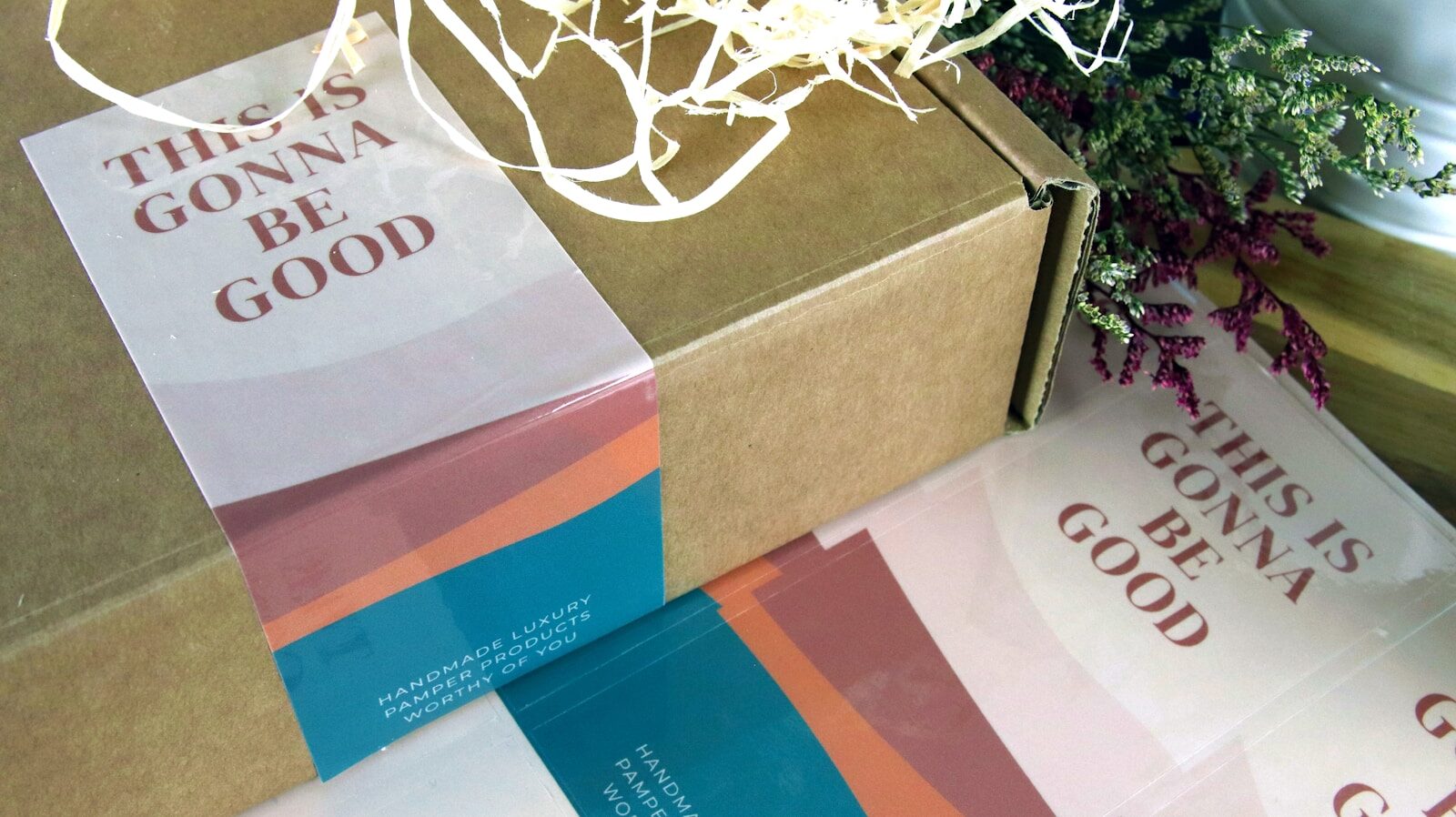
Step 9: Make Your Packaging Look Professional
Packaging is part of your marketing.
Customers love receiving handmade items that feel thoughtful and polished.
You do not need expensive custom boxes.
Simple upgrades make a huge difference.
Budget-Friendly Packaging Ideas
Kraft Mailers
Affordable and stylish.
Tissue Paper
Makes items feel gift-worthy.
Branded Stickers
Seal tissue paper with your logo.
Twine or Ribbon
Adds charm to handmade packaging.
Custom Stamps
A cheap way to brand boxes and mailers.
Step 10: Create Social Media Templates
One major mistake handmade sellers make is creating every social post from scratch.
Instead, create reusable templates.
Templates to Make
Product Launch Post
New Fabric Announcement
Customer Review Graphic
Sale Announcement
Behind-the-Scenes Post
Process Video Cover
Templates save time and create a recognizable brand look.
Step 11: Use Mockups to Save Time
Mockups are digital product displays where you insert your photo or design into a styled scene.
They work well for:
- Printable patterns
- Sewing guides
- Digital downloads
- Care cards
Mockup Ideas
- Tablet mockups
- Styled desk scenes
- Craft room backgrounds
- Flat lay templates
Mockups make digital products look polished without needing a full photoshoot.
Step 12: Create Craft Fair Marketing Materials
If you sell locally, printed materials matter even more.
Essential Craft Fair Materials
Business Cards
Keep them simple and readable.
Booth Sign
Clearly display your business name.
Price Signs
Avoid handwritten scraps of paper.
QR Codes
Allow customers to:
- Follow your socials
- Visit your website
- Shop later online
Product Tags
Add:
- Brand name
- Care instructions
- Fiber/material info
Step 13: Build an Email List
Email marketing is one of the most powerful tools for handmade sellers.
Unlike social media, you own your email list.
Ways to Collect Emails
Free Printable
Offer:
- Sewing planners
- Project checklists
- Beginner sewing guides
Coupon Codes
“Get 10% off your first order.”
Giveaway Entries
Especially useful on Pinterest and Instagram.
Step 14: Write Better Product Descriptions
Your descriptions are marketing materials too.
Avoid short vague descriptions like:
Cute handmade pouch.
Instead, write descriptions that help customers imagine using the item.
Better Example
This handmade zipper pouch is perfect for organizing pens, makeup, sewing clips, or travel essentials. Made with durable cotton fabric and fully lined for extra strength, it’s designed to be both practical and stylish.
Focus on:
- Benefits
- Uses
- Materials
- Features
- Gift potential
Step 15: Create Short Videos
Video content performs extremely well right now.
You do not need expensive equipment.
Your phone is enough.
Easy Video Ideas
Sewing Process Clips
Packaging Orders
Fabric Shopping
Before-and-After Projects
Product Close-Ups
Craft Fair Setup
People love seeing handmade businesses behind the scenes.
Step 16: Use Customer Photos as Marketing
User-generated content is powerful because it feels authentic.
Encourage customers to:
- Tag your shop
- Share photos
- Leave reviews
Then repost their content (with permission).
This builds:
- Trust
- Social proof
- Community
Step 17: Keep Your Branding Consistent Everywhere
Your Etsy shop, Pinterest account, packaging, and website should all feel connected.
Use:
- The same logo
- Similar fonts
- Consistent colors
- Similar editing style
This consistency makes your brand memorable.
Common Handmade Marketing Mistakes
Using Too Many Fonts
Stick to 2–3 fonts maximum.
Too many fonts look chaotic.
Poor Lighting in Photos
Dark or blurry images instantly lower perceived value.
Inconsistent Branding
Random colors and styles confuse customers.
Overcrowded Graphics
Simple designs usually perform better.
Ignoring Pinterest
Pinterest is one of the best long-term traffic sources for handmade businesses.
Forgetting Mobile Users
Most shoppers browse on phones.
Use:
- Large text
- Clean layouts
- Easy-to-read graphics
Affordable Tools for Handmade Sellers
Canva
Best overall design tool.
CapCut
Easy video editing.
Lightroom Mobile
Simple photo editing.
Traffic source for blogs and products.
Etsy Seller App
Manage listings and orders.
Creative Fabrica
Fonts, graphics, and design elements.
How Often Should You Create Marketing Content?
Consistency matters more than perfection.
A realistic beginner schedule:
Weekly
- 3–5 Pinterest pins
- 2–3 social posts
- 1 short video
Monthly
- 1 blog post
- 1 email newsletter
- New product photos
Batching content helps tremendously.
Take photos for multiple products at once to save time.
Creating Marketing Materials on a Small Budget
You truly do not need thousands of dollars to market handmade products effectively.
Many successful sellers start with:
- A smartphone
- Canva
- Natural light
- Basic packaging
- Free social media
As your business grows, you can upgrade:
- Photography equipment
- Packaging
- Branding
- Website design
Start simple and improve over time.
Final Thoughts
Marketing materials are not just “extras” for a handmade business — they are part of the customer experience.
Beautiful branding helps customers:
- Notice your products
- Trust your shop
- Remember your business
- Feel excited to buy from you again
The best part is that you do not need to be a professional designer to create attractive marketing materials.
Start with:
- Consistent branding
- Better product photos
- Simple templates
- Clean packaging
- Pinterest graphics
Small improvements add up quickly.
As your handmade business grows, your marketing materials will become one of the most valuable tools you have for standing out in a crowded marketplace and building a loyal customer base around your work.
Subscribe to our newsletter!