
If you’ve ever sold a handmade dog bandana and wondered, “Did I actually make any money on that?” — you’re not alone. One of the biggest mistakes new sewing business owners make is pricing based on guesswork, emotions, or what competitors charge instead of understanding their true costs.
The good news? Pricing handmade dog bandanas profitably does not have to be complicated.
Whether you sell on Etsy, at craft fairs, through your own website, or on social media, this guide will walk you through exactly how to price your dog bandanas so you can cover your costs, pay yourself fairly, and actually grow your sewing business.
Why Pricing Matters More Than Most Beginners Realize
Many new sellers underprice their products because they are afraid customers will not buy. But pricing too low creates problems like:
- Burnout from working long hours for little profit
- Difficulty buying more supplies
- Feeling resentful about sewing orders
- Attracting bargain shoppers instead of loyal customers
- Making it impossible to grow your business
A profitable sewing business is not built on selling the cheapest products. It is built on pricing sustainably.
Remember: customers are not only paying for fabric. They are paying for:
- Your sewing skills
- Your time
- Your creativity
- Your branding
- Convenience
- Quality craftsmanship
Handmade products should never compete with mass-produced factory prices.
Step 1: Calculate Your Material Costs
The first step in pricing is figuring out exactly how much it costs to make one bandana.
This includes every physical item used in production.
Common Material Costs
For dog bandanas, this might include:
- Fabric
- Thread
- Snaps or Velcro
- Tags or labels
- Packaging
- Care cards
- Shipping materials
- Printer ink for labels
- Poly mailers
Even small expenses matter.
Example Material Breakdown
Let’s say you make a medium-sized over-the-collar dog bandana.
| Supply | Cost |
|---|---|
| Cotton fabric | $1.20 |
| Thread | $0.10 |
| Label tag | $0.25 |
| Packaging | $0.40 |
| Care card | $0.15 |
| Total Materials | $2.10 |
Your total material cost is:
$2.10 per bandana
This is your starting point.
Step 2: Pay Yourself for Your Time
This is where many handmade sellers struggle.
Your time has value.
If it takes you 20 minutes to cut, sew, press, package, and photograph one dog bandana, you need to include labor in your pricing.
Decide on an Hourly Rate
Choose a realistic hourly wage.
Examples:
- Beginner: $15–20/hour
- Intermediate: $20–30/hour
- Experienced seller: $30+/hour
Let’s use $20/hour.
If your bandana takes 20 minutes total:
Labor Cost=20×6020=6.67
Your labor cost is approximately:
$6.67 per bandana
Step 3: Include Business Overhead
Overhead is the hidden cost of running your business.
These are expenses not tied to one specific bandana but necessary to operate your shop.
Examples of Overhead Costs
- Sewing machine maintenance
- Etsy fees
- Website hosting
- Canva subscription
- Electricity
- Scissors and sewing tools
- Advertising
- Packaging storage bins
- Shipping label printer
- Internet costs
Many beginners forget these costs entirely.
Easy Overhead Method
A simple way to handle overhead is adding a flat percentage to your pricing.
Most handmade sellers add:
- 10–30% overhead
Let’s use 20%.
So far we have:
- Materials: $2.10
- Labor: $6.67
- Subtotal: $8.77
Now add overhead:
8.77×1.20=10.52
Your adjusted cost becomes:
$10.52
Step 4: Add Profit
Here’s the part many people skip.
Profit is NOT your paycheck.
Labor pays you for sewing the item.
Profit is what helps your business grow.
Profit allows you to:
- Buy better equipment
- Invest in inventory
- Run sales
- Cover mistakes
- Handle slow months
- Expand your business
Without profit, your business becomes an exhausting hobby.
Suggested Profit Margins
A healthy handmade profit margin is often:
- 30–50%
Let’s add a 40% profit margin.
10.52×1.40=14.73
Your final retail price would be approximately:
$14.75
That is a sustainable handmade price.
A Simple Handmade Pricing Formula
Here is an easy formula you can use repeatedly:
(Materials+Labor)×(1+Overhead)×(1+Profit Margin)
This formula keeps your pricing consistent and profitable.
What If Competitors Charge Less?
This is one of the biggest fears new sellers face.
You may see dog bandanas selling for:
- $5
- $7
- $9
But many underpriced sellers:
- Are not paying themselves
- Ignore overhead costs
- Burn out quickly
- Quit within a year
You do not want to build a business that depends on underpricing yourself.
Instead, focus on standing out through:
- Better branding
- Better fabric choices
- Higher quality photos
- Unique prints
- Excellent customer service
- Professional packaging
Customers who value handmade products are willing to pay more.
Wholesale Pricing vs Retail Pricing
If you plan to sell to boutiques or pet stores, you need two prices.
Retail Price
This is the price customers pay directly.
Example:
- $14.75 retail
Wholesale Price
This is usually 50% of retail.
Example:
- $7.25 wholesale
That means your retail price must be high enough to still make money at wholesale rates.
Many beginners accidentally price themselves out of wholesale opportunities.
Common Pricing Mistakes to Avoid
1. Pricing Based on Emotion
Do not ask:
- “What would I pay?”
- “What feels fair?”
- “Would people think this is expensive?”
Use actual numbers.
2. Ignoring Labor
Your time matters.
If you sew for free, you do not own a business — you own an unpaid job.
3. Forgetting Fees
Platforms like Etsy charge:
- Listing fees
- Transaction fees
- Payment processing fees
- Advertising fees
Always build fees into your pricing.
4. Copying Other Sellers
You do not know:
- Their expenses
- Their profit margin
- Their goals
- Whether they are even profitable
Competing on price alone is rarely sustainable.
5. Charging the Same for Every Size
Large dog bandanas use:
- More fabric
- More time
- Larger packaging
Your pricing should reflect that.
Example:
- Small: $12
- Medium: $14
- Large: $16
Should You Offer Discounts?
Yes — strategically.
Discounts can help:
- Increase average order size
- Encourage repeat customers
- Move seasonal inventory
But avoid constant sales because customers will start waiting for discounts.
Better Discount Ideas
Instead of lowering prices drastically, try:
- Buy 2, get 1 half off
- Free shipping over a certain amount
- Holiday bundles
- Matching bandana sets
- Loyalty coupons
Bundles often increase profit while making customers feel like they got a deal.
How Branding Affects Pricing
Strong branding allows you to charge more.
Think about the difference between:
- A wrinkled bandana in a plastic bag
- A beautifully packaged product with a logo tag and care card
Presentation matters.
Professional branding creates:
- Trust
- Perceived value
- Repeat customers
Even simple upgrades can improve pricing power:
- Custom labels
- Coordinated packaging
- Branded thank-you cards
- Consistent product photography
Pricing for Etsy vs Craft Fairs
Your pricing strategy may change slightly depending on where you sell.
Etsy
You must account for:
- Shipping
- Platform fees
- Advertising costs
- Free shipping incentives
Many Etsy sellers slightly raise prices to offset “free shipping.”
Craft Fairs
You may need to cover:
- Booth fees
- Travel costs
- Table displays
- Credit card processing
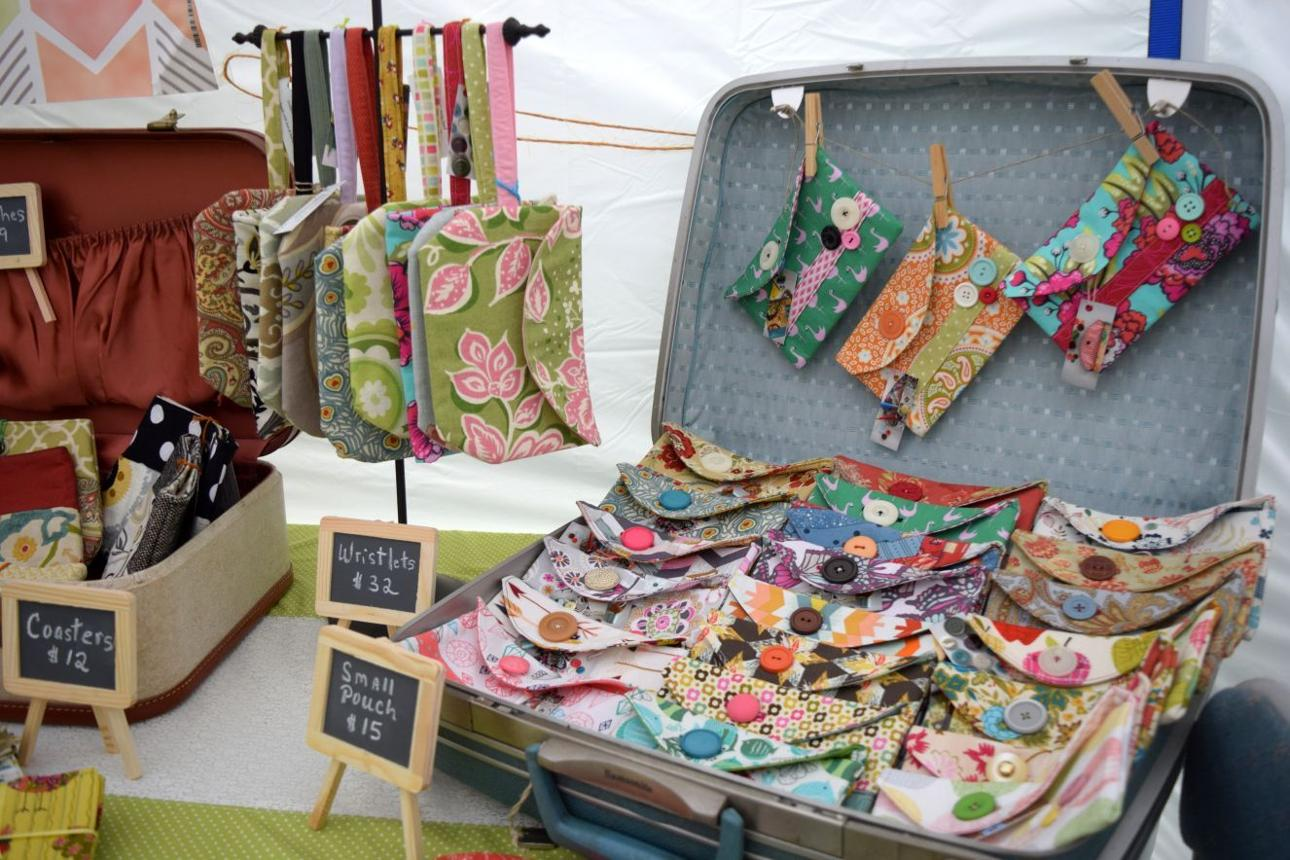
However, customers can physically touch products, which often supports higher pricing.
When to Raise Your Prices
You should consider raising prices if:
- You are consistently selling out
- Orders are overwhelming you
- Material costs increased
- Your skills improved
- Your products look more professional
- Demand is growing
Raising prices is normal in business.
Many handmade sellers wait too long.
A Realistic Beginner Pricing Example
Here’s what a profitable beginner pricing setup could look like:
| Expense | Cost |
|---|---|
| Materials | $2.10 |
| Labor | $6.67 |
| Overhead | $1.75 |
| Profit | $4.23 |
| Final Price | $14.75 |
This pricing structure:
- Pays you fairly
- Covers business expenses
- Leaves room for growth
That is how sustainable handmade businesses operate.
Final Thoughts
Pricing handmade dog bandanas for profit is not about choosing random numbers or matching the cheapest seller online. It is about understanding the true value of your work and building a business that supports you long-term.
When you price correctly, you:
- Avoid burnout
- Respect your time
- Build a sustainable business
- Create room for growth
- Attract better customers
The truth is that many customers are happy to pay more for handmade products that are beautifully made, thoughtfully packaged, and professionally presented.
Do not be afraid to charge what your work is worth.
A profitable sewing business starts with confident pricing.
Looking for an easier way to build and maintain your business? Subscribe to our newsletter and receive a free pricing guide!