
If you love to sew, you may already know how easy it is to turn fabric into something useful, beautiful, and sellable. But one of the biggest challenges with a sewing business is that handmade items often require your time every single time you make a sale.
You cut the fabric.
You sew the item.
You package the order.
You ship it.
That can be rewarding, but it can also become exhausting if every dollar you earn depends on constantly making something new.
That is where recurring income comes in.
Recurring income means creating products, services, or systems that can bring in money more than once. For sewists, this can look like digital products, repeat customers, subscriptions, patterns, classes, or content that continues earning after the original work is done.
Here are several practical ways to make recurring income with sewing.
1. Sell Digital Sewing Patterns
One of the best ways to create recurring income with sewing is by selling digital sewing patterns.
Instead of making the same physical product over and over, you create the pattern once and sell it many times. A digital pattern can include:
- Printable pattern pieces
- Step-by-step instructions
- Photos or line drawings
- Supply lists
- Cutting charts
- Beginner tips
- Terms of use
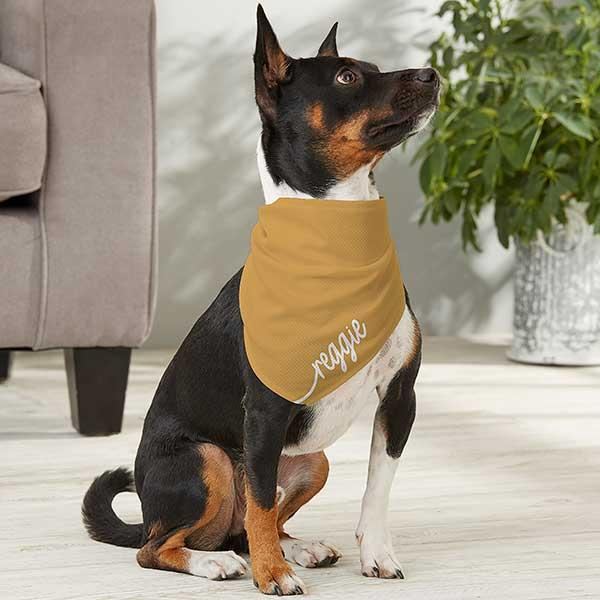
Simple patterns can do especially well because many buyers are looking for quick, beginner-friendly projects. Think about items like bowl cozies, zipper pouches, bookmarks, dog bandanas, tissue box covers, fabric baskets, or small wallets.
Once the pattern is created, it can be listed on Etsy, your website, Teachers Pay Teachers if it has an educational angle, or another digital product platform. You may need to update photos or SEO occasionally, but the product itself can continue selling again and again.
2. Create Sewing Printables
Not every sewing-related digital product has to be a pattern. Sewists also need organization tools.
You can create printable resources such as:
- Sewing project planners
- Fabric stash trackers
- Pattern inventory sheets
- Sewing machine maintenance checklists
- Handmade business pricing worksheets
- Craft fair inventory sheets
- Custom order forms
- Quilt planning pages
- Measurement trackers
These products are helpful because they solve a common problem: sewists often have fabric, patterns, supplies, and unfinished projects scattered everywhere.
A printable sewing planner or tracker can be sold repeatedly with no shipping, no inventory, and no need to remake the product each time.
3. Offer a Pattern Membership
If you enjoy designing sewing patterns regularly, you could create a simple pattern membership.
A membership gives customers access to new patterns each month, a private resource library, exclusive tutorials, or bonus project ideas. This can provide more predictable monthly income than relying only on one-time sales.
A sewing membership could include:
- One new beginner pattern each month
- A monthly scrap-busting project
- Seasonal sewing projects
- Printable sewing planners
- Video tutorials
- Pattern hacks
- A private community or email newsletter
You do not have to start with a large membership. You could begin with a small monthly pattern club and add more features as it grows.
4. Build a Paid Sewing Newsletter
A paid newsletter is another way to earn recurring income from sewing knowledge.
Instead of selling only finished items, you can sell your ideas, tips, tutorials, and project plans. A paid sewing newsletter could include:
- Weekly sewing tips
- Monthly project tutorials
- Beginner sewing lessons
- Fabric recommendations
- Small project ideas to sell
- Behind-the-scenes business advice
- Exclusive pattern discounts
This works especially well if you already enjoy writing, teaching, or sharing helpful advice. Even a small group of loyal subscribers can become a steady source of monthly income.
5. Sell Online Sewing Classes
If you are comfortable teaching, online sewing classes can become a strong recurring income stream.
You can create beginner classes on topics such as:
- How to use a sewing machine
- How to sew straight lines
- How to read a sewing pattern
- How to install a zipper
- How to sew boxed corners
- How to make a beginner pouch
- How to finish seams neatly
Once recorded, a class can be sold again and again. You can host classes on your own website, use a course platform, or sell access through a simple video library.
You could also bundle a class with a pattern. For example, you could sell a zipper pouch pattern with a matching video tutorial for beginners who want extra help.
6. Create a Sewing Resource Library
A sewing resource library is a collection of digital files that customers can access after paying.
This could be a one-time purchase or a monthly subscription. Your library might include:
- Digital sewing patterns
- Printable sewing checklists
- Measurement charts
- Project planners
- Troubleshooting guides
- Fabric guides
- Pattern templates
- Video tutorials
The benefit of a resource library is that it gives customers a reason to return. You can continue adding new resources over time, which makes the library more valuable.
7. Sell Cut File Templates for Sewing Businesses
Many sewing business owners need tags, labels, packaging, signs, and marketing materials. If you enjoy design, you can create digital templates specifically for handmade sellers.
Ideas include:
- Care instruction cards
- Product tags
- Thank-you cards
- Craft fair price signs
- Printable packaging labels
- Custom order forms
- Inventory trackers
- Handmade business planners
- Social media templates for sewing shops
These products support other sewists and handmade sellers while giving you a digital product that can sell repeatedly.
8. Start a Sewing Blog
A sewing blog can create recurring income in several ways. While it may take time to grow, a blog can become a long-term asset for your business.
You can make money from a sewing blog through:
- Affiliate links
- Digital pattern sales
- Printable sales
- Ads
- Sponsored content
- Email list growth
- Course sales
- Product recommendations
For example, a blog post about beginner sewing tools could include affiliate links to supplies. A tutorial for a simple project could link to a paid printable pattern. A post about organizing fabric scraps could lead readers to your fabric stash tracker.
The key is to write helpful content that answers questions sewists are already searching for.
9. Use Affiliate Marketing
Affiliate marketing allows you to earn a small commission when someone buys a product through your link.
For sewing, you could recommend:
- Sewing machines
- Scissors
- Rotary cutters
- Cutting mats
- Fabric clips
- Thread
- Interfacing
- Zippers
- Snaps
- Storage containers
- Pattern paper
- Books and classes
This works well when paired with a blog, YouTube channel, email newsletter, or Pinterest strategy.
The most important rule is to only recommend products you genuinely believe are useful. Trust matters, especially in a niche like sewing where beginners rely on honest advice.
10. Create a YouTube Channel
YouTube can become a recurring income source through ads, affiliate links, pattern sales, and product recommendations.
You could create videos such as:
- Beginner sewing tutorials
- Project walkthroughs
- Sewing machine tips
- Fabric scrap ideas
- Pattern demonstrations
- Common sewing mistakes
- Product reviews
- Sewing business tips
Even if a video is created once, it can continue bringing in viewers over time. Those viewers can then visit your website, join your email list, buy your patterns, or purchase products you recommend.
11. Offer Custom Sewing Templates or Pattern Licensing
If you design your own sewing patterns, you can also license them.
Pattern licensing means another business pays to use your pattern, tutorial, or design under agreed terms. This is more advanced, but it can be a good option once you have strong original designs.
You could license patterns to:
- Sewing subscription boxes
- Craft kit companies
- Creative bloggers
- Fabric shops
- Sewing teachers
- Small handmade businesses
You could also offer commercial-use licenses for your patterns, allowing buyers to sell finished items made from your design for an additional fee.
12. Sell Sewing Kits
Sewing kits are not fully passive, but they can encourage repeat purchases.
A sewing kit could include:
- Pre-cut fabric
- Thread
- Zippers
- Snaps
- Interfacing
- Printed instructions
- Access to a video tutorial
You could create monthly kits around beginner-friendly projects. Customers may subscribe to receive a new kit each month.
This option requires inventory and shipping, but it can create repeat buyers and predictable income if managed well.
13. Build an Email List
An email list may not directly make money by itself, but it supports recurring income in almost every sewing business model.
With an email list, you can promote:
- New patterns
- Seasonal projects
- Blog posts
- Sales
- Classes
- Sewing kits
- Printable planners
- Affiliate products
- Memberships
Unlike social media, your email list gives you a direct way to reach your audience. You can start by offering a freebie, such as a beginner sewing checklist, fabric stash tracker, or simple printable pattern.
14. Bundle Your Products
Bundles are a smart way to increase your income from products you have already created.
For example, you could bundle:
- Three beginner sewing patterns
- A sewing planner and fabric tracker
- Holiday sewing patterns
- Scrap-busting projects
- Craft fair business printables
- Dog sewing patterns
- Kitchen sewing patterns
Bundles can sell for a higher price than individual products, and they give customers more value. Once the bundle is created, it can continue selling just like any other digital product.
15. Create Seasonal Products That Sell Every Year
Seasonal sewing products can become recurring income because the same seasons and holidays return every year.
You might create patterns or printables for:
- Christmas gifts
- Back-to-school sewing
- Valentine’s Day projects
- Mother’s Day gifts
- Fall craft fairs
- Summer travel items
- Patriotic decor
- Teacher appreciation gifts
A seasonal pattern may not sell every month, but it can bring income year after year with only minor updates.
Final Thoughts
Recurring income with sewing does not mean you never have to work. It means you create products and systems that can keep working after the original effort is done.
Instead of relying only on handmade items that must be sewn one at a time, you can build income streams around your sewing knowledge, patterns, printables, tutorials, and digital resources.
Start with one simple idea. Create a beginner-friendly pattern, a useful sewing printable, or a small bundle. Then build from there.
The more helpful resources you create, the more opportunities you have to earn from your sewing skills again and again.
Subscribe to our newsletter!