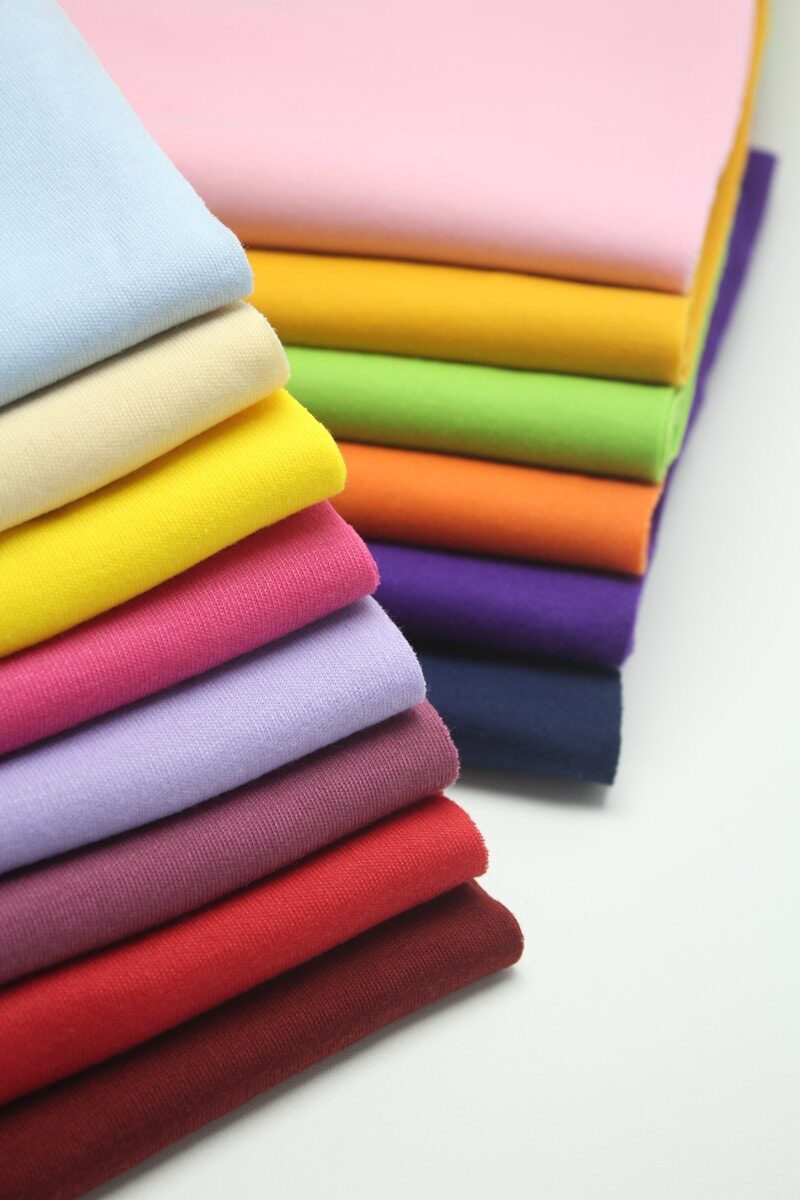
Choosing fabric is one of the most exciting parts of sewing, but it can also be one of the most overwhelming. You walk into a fabric store or start browsing online, and suddenly there are hundreds of choices: cotton, linen, fleece, flannel, canvas, knit, rayon, denim, quilting cotton, and more. Then you have to think about stretch, weight, texture, drape, care instructions, and whether the fabric will actually work for the project you have in mind.
The good news is that choosing the right fabric gets much easier once you know what to look for. Fabric choice can make or break a sewing project. The same pattern can look completely different depending on whether you use crisp cotton, soft flannel, sturdy canvas, or stretchy knit fabric.
Whether you are sewing clothing, home decor, bags, accessories, gifts, or beginner-friendly projects, this guide will help you choose the right fabric with confidence.
Why Fabric Choice Matters
Fabric affects almost every part of your finished sewing project. It changes how the item looks, how it feels, how it fits, how long it lasts, and how easy it is to sew.
For example, a tote bag made from quilting cotton may look cute, but it might feel too flimsy unless you add interfacing or lining. A dress made from stiff canvas would not move comfortably, while a pillow made from thin rayon might not hold its shape well.
The right fabric helps your project:
- Hold its shape
- Feel comfortable
- Sew together smoothly
- Last longer
- Look more professional
- Match the purpose of the item
Before buying fabric, it helps to think less about how pretty the print is and more about what the fabric needs to do.
Start with the Pattern Recommendation
The easiest place to begin is with the sewing pattern itself. Most patterns include a list of recommended fabrics. This information is important because the designer has already tested or planned the project with certain types of fabric in mind.
Look for words such as:
- Quilting cotton
- Canvas
- Linen
- Flannel
- Fleece
- Knit
- Jersey
- Denim
- Cotton lawn
- Poplin
- Twill
- French terry
If your pattern recommends woven fabric, avoid using knit fabric unless the pattern says it will work. If your pattern recommends stretch fabric, a non-stretch woven fabric may not fit or function correctly.
Pattern recommendations are especially important for clothing. Garments depend on fabric movement, stretch, weight, and drape. Using the wrong fabric can make a shirt feel stiff, a skirt hang awkwardly, or pants fit too tightly.
For beginner sewing projects, try to stay close to the pattern recommendation until you feel more comfortable experimenting.
Understand Fabric Weight
Fabric weight refers to how heavy or light the fabric feels. It is one of the most important factors when choosing fabric.
Lightweight Fabric
Lightweight fabrics are thin, soft, and often more delicate. They may be slightly sheer or flowy.
Examples include:
- Cotton lawn
- Voile
- Rayon challis
- Lightweight linen
- Chiffon
- Gauze
Lightweight fabrics work well for scarves, blouses, summer dresses, baby items, and soft accessories. However, they can be trickier to sew because they may shift, wrinkle, or fray easily.
Medium-Weight Fabric
Medium-weight fabric is the most versatile option for many sewing projects.
Examples include:
- Quilting cotton
- Poplin
- Flannel
- Chambray
- Medium-weight linen
- Cotton twill
This type of fabric works well for aprons, simple clothing, pillow covers, table runners, bowl cozies, fabric baskets, reusable bags, and beginner sewing projects.
Heavyweight Fabric
Heavyweight fabrics are sturdy and structured.
Examples include:
- Canvas
- Denim
- Duck cloth
- Upholstery fabric
- Corduroy
- Heavy twill
Heavyweight fabric is best for tote bags, storage bins, aprons, cushion covers, utility projects, and items that need durability. You may need a heavier needle, stronger thread, and a slower sewing speed when working with these fabrics.
Think About Fabric Drape
Drape describes how fabric hangs or falls. Some fabrics are crisp and structured, while others are soft and flowy.
A fabric with a lot of drape hangs close to the body and moves easily. Rayon, jersey, and lightweight linen often have nice drape. These fabrics are great for skirts, dresses, tops, and scarves.
A fabric with less drape is more structured. Quilting cotton, canvas, and denim hold their shape better. These fabrics are better for bags, pillow covers, table decor, organizers, and projects that need structure.
An easy way to test drape is to unroll a little fabric and hold it up. Does it fall softly, or does it stick out stiffly? That simple test can tell you a lot about how the finished project will look.
Know the Difference Between Woven and Knit Fabric
One of the biggest fabric decisions is whether to use woven or knit fabric.
Woven Fabric
Woven fabric is made with threads that cross over and under each other. It usually does not stretch much unless it has added spandex.
Common woven fabrics include:
- Quilting cotton
- Linen
- Canvas
- Denim
- Flannel
- Poplin
Woven fabrics are usually easier for beginners because they are stable and do not stretch while sewing. They are great for bags, home decor, simple accessories, aprons, and many beginner projects.
Knit Fabric
Knit fabric is made from loops of thread, which gives it stretch.
Common knit fabrics include:
- Jersey
- Interlock
- Rib knit
- French terry
- Sweatshirt fleece
- Ponte
Knit fabric is commonly used for T-shirts, leggings, pajamas, sweatshirts, baby clothes, and comfortable garments. It can be a little harder to sew because it stretches, but it is very useful once you learn how to handle it.
When sewing with knits, use a ballpoint or stretch needle and choose a stitch that allows the fabric to stretch.
Match the Fabric to the Project
The best fabric choice depends on what you are making. Here are some common project types and fabrics that usually work well.
Bags and Totes
For bags, choose fabric that is sturdy enough to hold up to use.
Good choices include:
- Canvas
- Duck cloth
- Denim
- Cotton twill
- Quilting cotton with interfacing
If you love a quilting cotton print, you can still use it for a bag. Just add interfacing or pair it with a sturdier lining.
Bowl Cozies, Pot Holders, and Kitchen Projects
For heat-related kitchen projects, cotton is usually the best choice. Use 100% cotton fabric, 100% cotton batting, and cotton thread when the item may go in the microwave.
Good choices include:
- Quilting cotton
- Cotton batting
- Cotton muslin
- Cotton canvas for certain projects
Avoid synthetic fabrics for microwave projects because they can melt or become unsafe.
Clothing
For clothing, always pay attention to the pattern’s fabric recommendation.
Good choices include:
- Cotton lawn for lightweight tops
- Linen for dresses, pants, and tops
- Rayon challis for flowy garments
- Jersey knit for T-shirts
- French terry for sweatshirts
- Denim or twill for pants and jackets
The most important clothing factors are comfort, drape, stretch, and washability.
Home Decor
Home decor projects often need fabric that holds its shape and can handle regular use.
Good choices include:
- Canvas
- Duck cloth
- Upholstery fabric
- Linen blends
- Quilting cotton for lighter decor
Pillow covers, curtains, table runners, and fabric baskets all need slightly different fabric qualities. For pillows and baskets, structure matters. For curtains, drape matters.
Beginner Sewing Projects
Beginners usually do best with stable woven cotton fabric.
Great beginner-friendly fabrics include:
- Quilting cotton
- Cotton poplin
- Flannel
- Medium-weight linen
- Cotton canvas for simple bags
Avoid slippery, stretchy, or very lightweight fabrics when you are just starting out. Fabrics like satin, chiffon, and thin knits can be frustrating for beginners.
Check the Care Instructions
Before buying fabric, think about how the finished item will be washed.
Ask yourself:
- Will this item need frequent washing?
- Can the fabric go in the dryer?
- Does it wrinkle easily?
- Does it need special care?
- Will it shrink?
For everyday items, choose fabric that is easy to wash and maintain. Cotton, flannel, denim, and many linens are practical choices for items that will be used often.
For handmade gifts, it is usually best to choose fabric that does not require complicated care. Most people appreciate items that can be washed easily.
Always Prewash When Needed
Prewashing fabric is an important step, especially for clothing, kitchen items, baby items, and anything that will be washed later.
Fabric can shrink, bleed, or change texture after washing. If you skip prewashing, your finished project may shrink the first time it is cleaned.
Prewashing is especially important for:
- Cotton
- Flannel
- Linen
- Denim
- Rayon
- Fabric used for clothing
- Fabric used for gifts
After washing, dry the fabric the same way you plan to dry the finished item. Then press it before cutting.
Consider Fabric Direction and Print Scale
Prints are fun, but they need a little planning.
Some fabrics have directional prints, meaning the design has a clear top and bottom. Examples include animals, words, flowers with stems, holiday prints, or novelty designs. If your fabric is directional, you may need extra yardage so all pattern pieces face the correct way.
Print scale also matters. A large floral print may look beautiful on a tote bag but might not work well on a small keychain or tiny pouch. A small print may be perfect for small accessories but look too busy on a large garment.
Before cutting, lay out your pattern pieces and think about where the print will appear on the finished item.
Do Not Forget About Interfacing
Sometimes the fabric you love is not quite sturdy enough for the project. That is where interfacing helps.
Interfacing adds structure, stability, and strength. It can make a lightweight fabric work for a project that needs more body.
Use interfacing for projects such as:
- Tote bags
- Zipper pouches
- Sunglasses cases
- Fabric baskets
- Collars
- Cuffs
- Waistbands
- Placemats
There are different types of interfacing, including lightweight, medium-weight, heavyweight, fusible, and sew-in. Choose the type based on how much structure your project needs.
Test Before You Sew the Whole Project
If you are unsure about a fabric, test it first. Sew a small sample using the same needle, thread, stitch length, and seam allowance you plan to use for the project.
A quick fabric test can show you:
- Whether the fabric puckers
- Whether your needle is too large or too small
- Whether the fabric stretches while sewing
- Whether the stitches look balanced
- Whether you need interfacing
- Whether the fabric frays too much
Testing only takes a few minutes, but it can save you from frustration later.
Common Fabric Mistakes to Avoid
Choosing fabric gets easier with practice, but these common mistakes can cause problems.
Choosing Fabric Only Because It Is Pretty
A beautiful print is tempting, but it still needs to match the project. Think about weight, stretch, drape, and durability before buying.
Ignoring Stretch Requirements
If a pattern calls for knit fabric with stretch, do not substitute a woven fabric unless the pattern allows it. The finished item may not fit.
Using Fabric That Is Too Thin
Thin fabric can make bags, pillows, or accessories look limp. Add interfacing or choose a sturdier fabric.
Using Fabric That Is Too Thick
Heavy fabric can make small projects bulky and hard to turn right side out. It can also be difficult for some sewing machines to handle.
Skipping Prewashing
Skipping this step can lead to shrinking, bleeding, or distorted seams after the project is finished.
Quick Fabric Guide by Project
| Project Type | Best Fabric Choices |
|---|---|
| Tote bags | Canvas, denim, duck cloth, twill |
| Bowl cozies | 100% cotton fabric and cotton batting |
| Zipper pouches | Quilting cotton, canvas, denim |
| Pajamas | Flannel, cotton jersey, interlock knit |
| T-shirts | Jersey knit, cotton spandex knit |
| Aprons | Canvas, twill, quilting cotton |
| Pillow covers | Canvas, upholstery fabric, linen blends |
| Table runners | Quilting cotton, linen, cotton blends |
| Baby blankets | Flannel, cotton, minky with care |
| Hair accessories | Cotton, satin, rayon, lightweight fabrics |
Final Thoughts
Choosing the right fabric does not have to feel intimidating. Start with the pattern recommendation, then think about the purpose of the project. Consider the fabric’s weight, drape, stretch, care instructions, and durability.
When in doubt, choose a stable woven cotton fabric for beginner projects. It is easy to cut, easy to sew, and works well for many handmade items. As you gain confidence, you can start experimenting with knits, linens, rayons, canvas, denim, and specialty fabrics.
The more you sew, the easier it becomes to understand how fabric behaves. Over time, you will be able to look at a fabric and quickly know whether it is right for the project you have in mind.
The right fabric helps your handmade project look better, feel better, and last longer. A little planning before you cut can make the entire sewing process smoother and more successful.
Subscribe to our newsletter!