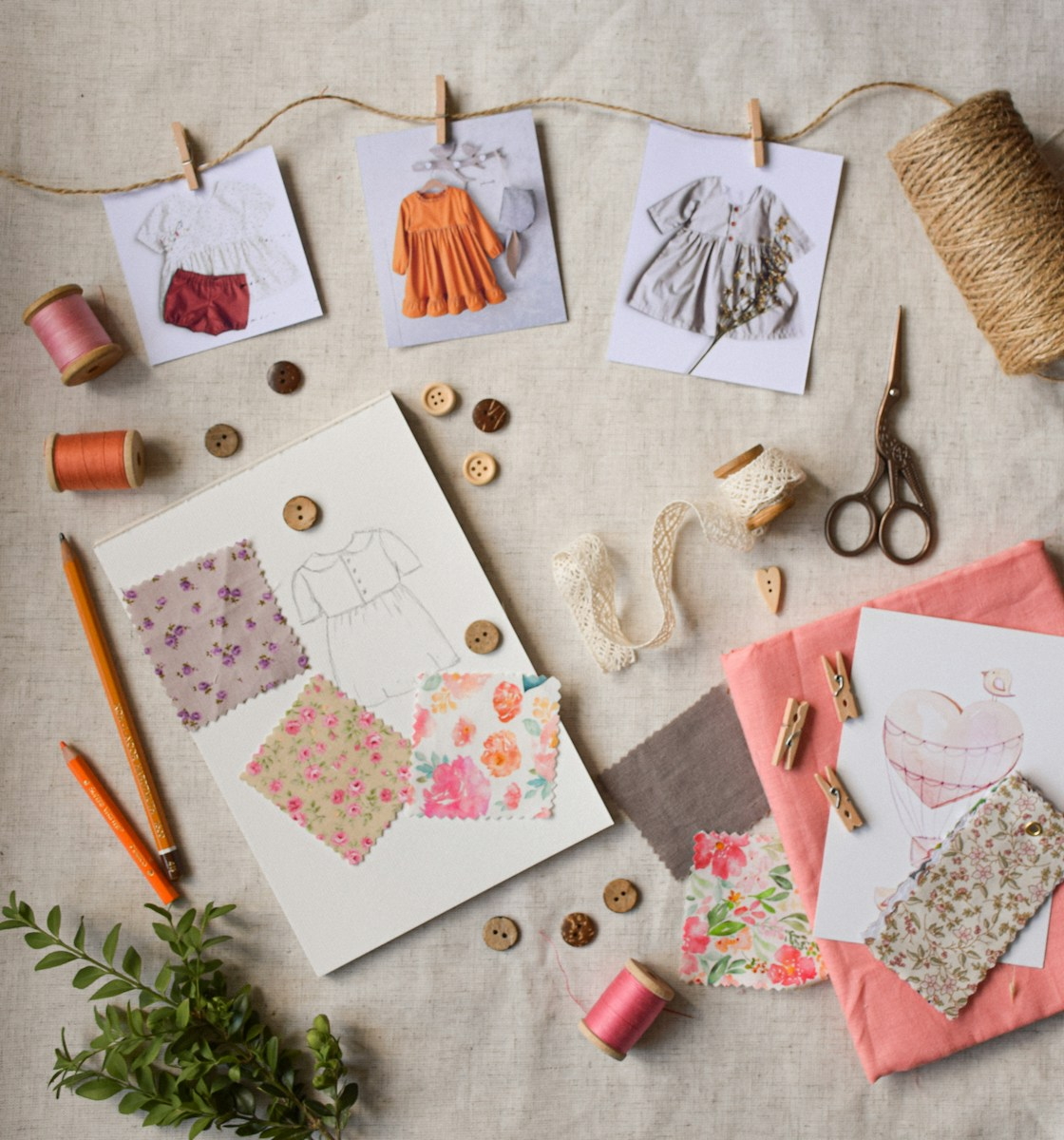
If you love sewing, you have probably wondered at some point: Can I really make money sewing from home?
The honest answer is yes, you can.
But the equally honest answer is that it usually does not happen by randomly sewing cute things and hoping people buy them. Making money with sewing takes a mix of skill, planning, pricing, consistency, and knowing what customers are actually willing to pay for.
The good news? You do not need a huge studio, fancy equipment, or thousands of dollars to get started. Many sewing businesses begin at a kitchen table, a small desk, or a corner of a spare room.
Whether you want extra side income, a part-time business, or a full-time sewing career, there are several ways to make money sewing from home.
Is Sewing from Home Actually Profitable?
Sewing from home can be profitable, but not every sewn item is worth selling.
That is where many beginners get stuck. They think, “I made this, so I should sell it.” But a profitable sewing business works a little differently.
To make money, you need to consider:
- How much fabric and supplies cost
- How long the item takes to make
- How much customers are willing to pay
- How much competition exists
- How easy the item is to ship or deliver
- Whether you can make it repeatedly without burning out
For example, a small keychain wallet might be profitable because it uses little fabric, can be made in batches, and ships easily. A large custom dress might bring in more money per order, but it also takes more time, more fittings, and more customer communication.
Profit does not always come from the highest-priced item. Sometimes it comes from the item that is quick, repeatable, and easy to sell.
The Best Ways to Make Money Sewing from Home
There is more than one way to build a sewing income. In fact, the best sewing businesses often combine more than one income stream.
Here are some of the most realistic options.
1. Sell Handmade Sewn Items
This is usually the first idea people think of when they want to make money sewing from home.
You sew physical products and sell them through Etsy, craft fairs, Facebook Marketplace, local boutiques, your website, or social media.
Popular handmade sewing items include:
- Dog bandanas
- Bowl cozies
- Tote bags
- Zipper pouches
- Keychain wallets
- Baby items
- Hair accessories
- Aprons
- Reusable snack bags
- Table runners
- Holiday décor
- Memory items
- Craft fair bestsellers
The advantage of selling handmade items is that customers can see exactly what they are buying. Pretty fabric, good photography, and useful products can sell well.
The downside is that handmade products take time. Every item must be cut, sewn, finished, photographed, listed, packaged, and shipped.
That means you have to price carefully.
2. Sell Printable Sewing Patterns
Selling sewing patterns is one of the best ways to turn sewing into a more passive income stream.
Instead of sewing every item yourself, you create the pattern and instructions once. Then customers purchase the digital file, download it, and sew the project themselves.
Printable sewing patterns can include:
- Beginner sewing projects
- Bag patterns
- Dog bandana patterns
- Bowl cozy patterns
- Wallet patterns
- Holiday sewing patterns
- Scrap fabric projects
- Home décor patterns
- Craft fair product patterns
This can be a great option if you enjoy teaching others how to sew. Your pattern needs to be clear, beginner-friendly, and well-organized. Good photos or line drawings also help customers feel confident.
The biggest benefit is that digital patterns can sell over and over again without you having to sew and ship a physical item each time.
3. Offer Custom Sewing Services
Custom sewing can be profitable if you enjoy working directly with customers.
This might include:
- Alterations
- Hemming pants
- Replacing zippers
- Sewing patches
- Custom aprons
- Memory pillows
- T-shirt quilts
- Curtains
- Special occasion accessories
- Personalized gifts
Custom work can bring in steady local income because people often need help with clothing repairs or personalized items.
However, custom sewing also requires clear communication. You need to be firm about pricing, timelines, deposits, and revisions. Otherwise, one project can quickly become more work than it is worth.
A simple pricing sheet can help you avoid awkward conversations.
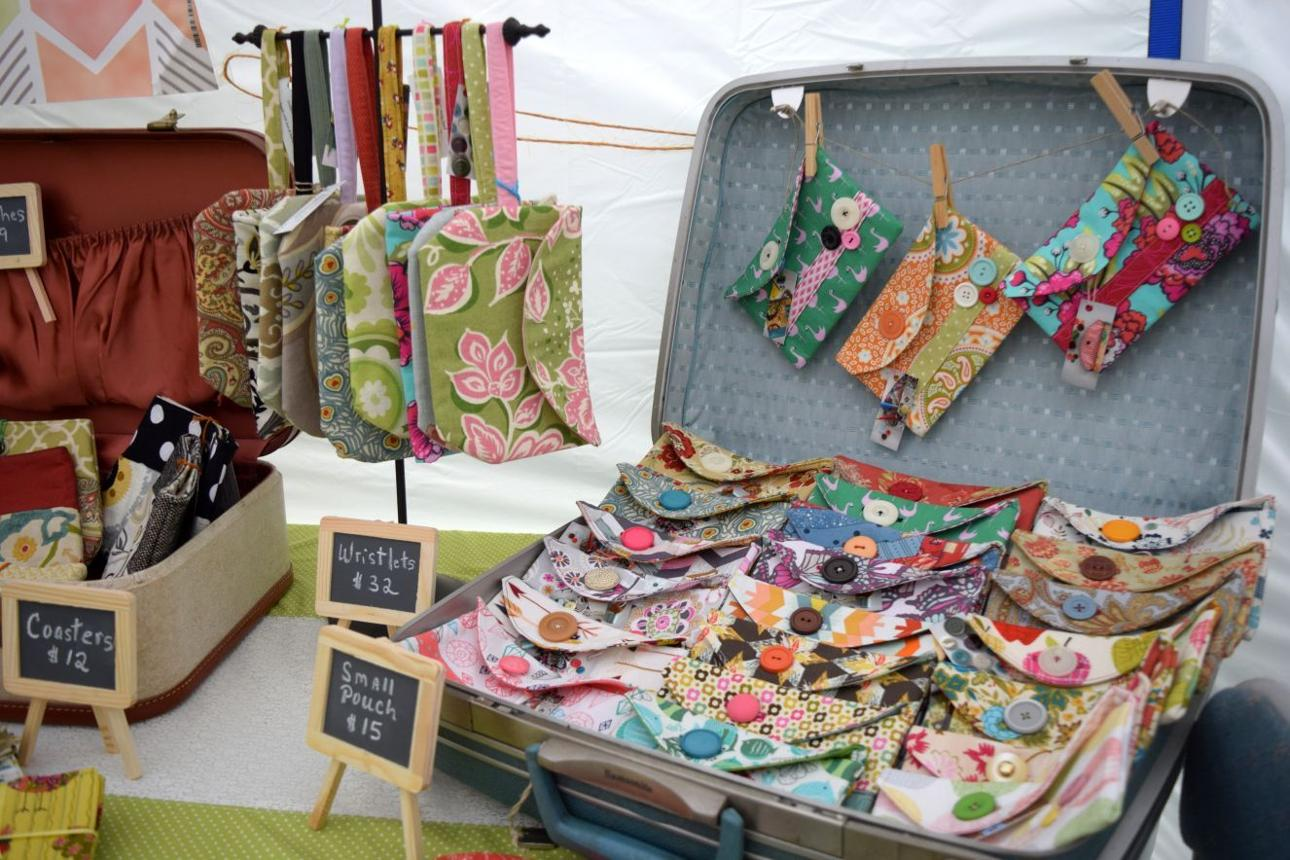
4. Sell at Craft Fairs and Local Markets
Craft fairs can be a great way to test which sewing products customers actually want.
Online sales can take time to build, but at a craft fair, customers can touch the fabric, see the quality, and make a quick purchase.
Good craft fair sewing items are usually:
- Easy to display
- Affordable
- Giftable
- Seasonal
- Useful
- Quick to restock
Examples include bowl cozies, zipper pouches, key fobs, dog bandanas, reusable bags, holiday ornaments, and small home décor items.
Craft fairs are also useful because they give you immediate feedback. If people pick up an item but do not buy it, your price may be too high, the fabric may not appeal to them, or the product may need better packaging.
5. Teach Sewing Classes or Tutorials
If you are good at explaining steps, teaching sewing can become another income stream.
You could teach:
- Beginner sewing lessons
- Kids’ sewing classes
- Small local workshops
- Online tutorials
- Pattern-specific classes
- Craft party sewing projects
You do not have to be a master seamstress to teach beginners. Many people simply want someone patient to show them how to thread a machine, sew a straight line, read a pattern, or finish a simple project.
Teaching can also support your product sales. For example, if you sell a beginner wallet pattern, you could also create a tutorial video or workshop showing people how to make it.
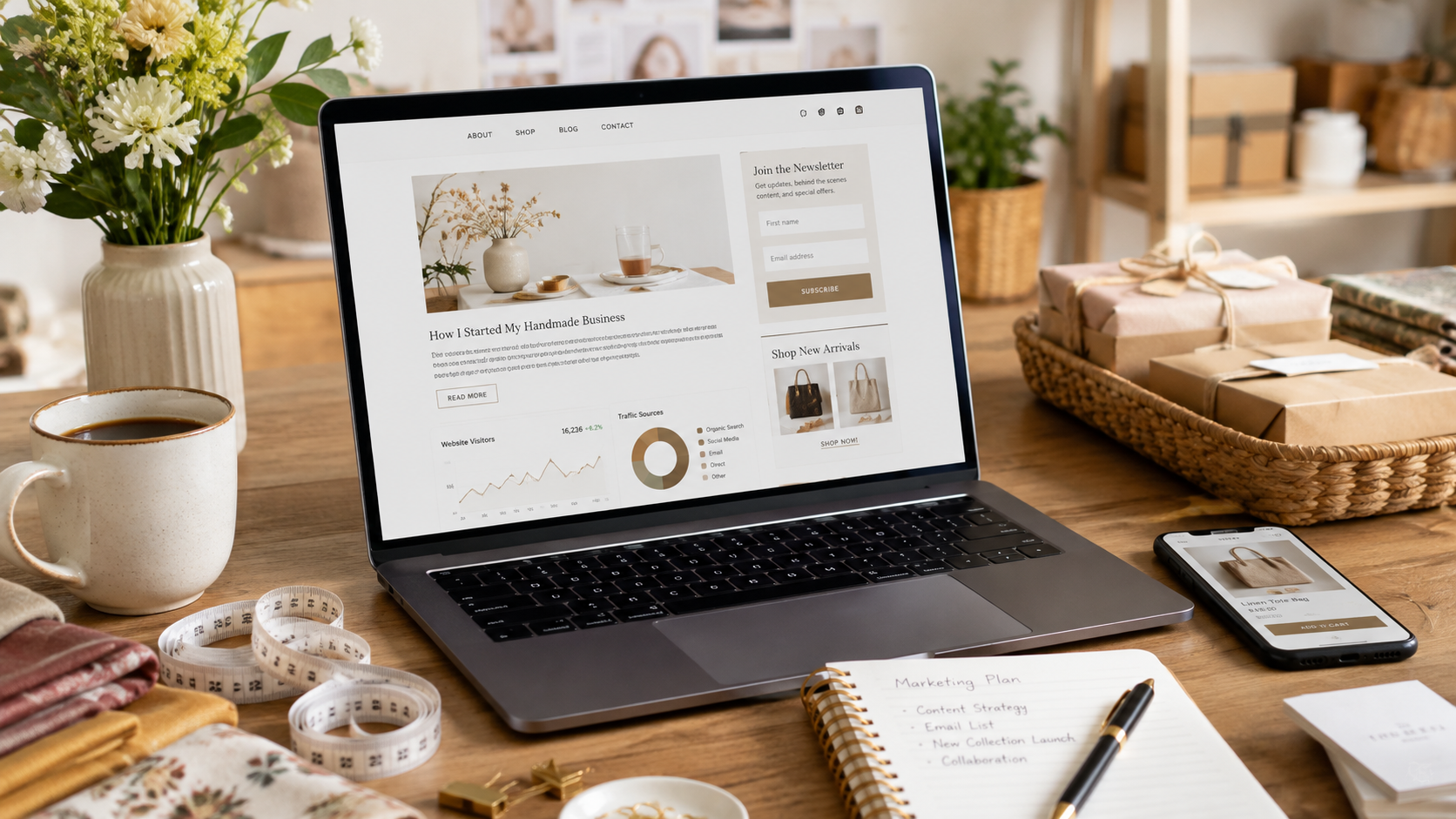
6. Start a Sewing Blog or Website
A sewing blog can become a long-term income source, especially when paired with digital products.
A blog gives you a place to share tutorials, promote sewing patterns, build an email list, and attract people through search engines and Pinterest.
A sewing blog can make money through:
- Digital pattern sales
- Affiliate links
- Ads
- Sponsored content
- Email marketing
- Product bundles
- Printable planners
- Sewing guides
Blogging is not usually fast money. It takes time to write posts, build traffic, and create trust. But it can be powerful because your content can continue bringing in visitors long after you publish it.
For example, a blog post called “How to Sew a Reversible Dog Bandana” could lead readers to purchase your printable dog bandana pattern.
What Sewing Products Sell Best?
The best products are usually items that are useful, giftable, affordable, and easy to understand.
Customers are more likely to buy something when they immediately know what it is for.
Some strong product categories include:
Giftable Items
These work well because customers often shop for birthdays, holidays, teachers, coworkers, pets, and small thank-you gifts.
Examples:
- Zipper pouches
- Keychain wallets
- Fabric bookmarks
- Bowl cozies
- Aprons
- Tote bags
- Dog bandanas
Practical Everyday Items
Useful items are easier to market because they solve a problem.
Examples:
- Reusable snack bags
- Car trash bag holders
- Fabric storage baskets
- Grocery totes
- Microwave bowl cozies
- Eyeglass cases
Pet Products
Pet owners love cute, seasonal, and personalized items.
Examples:
- Dog bandanas
- Catnip toys
- Pet blankets
- Waste bag holders
- Collar bows
Holiday and Seasonal Items
Seasonal products can sell well because people like decorating and gifting around holidays.
Examples:
- Fabric ornaments
- Bowl fillers
- Table runners
- Seasonal dog bandanas
- Fabric garlands
- Gift bags
Digital Sewing Patterns
Patterns can be especially profitable because they are not limited by how many items you can physically sew.
Examples:
- Beginner-friendly sewing patterns
- Craft fair sewing patterns
- Scrap fabric patterns
- Pet sewing patterns
- Small gift patterns
The Biggest Mistake: Underpricing Your Work
One of the most common mistakes beginners make is charging too little.
They price an item based only on fabric cost and forget to include time, thread, interfacing, packaging, fees, machine wear, photos, listing work, and profit.
A simple pricing formula is:
Supplies + Labor + Fees + Profit = Selling Price
Let’s say you make a small zipper pouch.
Your costs might include:
- Fabric
- Zipper
- Interfacing
- Thread
- Packaging
- Etsy or payment fees
- Your time
If the pouch takes 45 minutes to make and you only charge $8, you may be working for very little or even losing money.
A sewing business should pay you for more than materials. It should pay you for your skill, time, creativity, and effort.
Do You Need Expensive Equipment?
No, you do not need expensive equipment to start making money sewing from home.
You can begin with:
- A reliable sewing machine
- Fabric scissors or rotary cutter
- Cutting mat
- Pins or clips
- Measuring tape
- Iron and ironing board
- Thread
- Basic fabric stash
- Simple packaging supplies
It is better to start with a few simple products and improve as you go than to spend hundreds of dollars before you have made your first sale.
A clean finish, straight seams, good pressing, and quality photos matter more than having the fanciest machine.
How Much Money Can You Make Sewing from Home?
This depends on what you sell, how often you work, how well you market, and whether you focus on handmade products, digital products, or services.
A beginner might make a small amount at first while learning what sells. A part-time sewing business might bring in steady extra income. A more established business with strong products, good pricing, and consistent marketing can grow into a serious income stream.
The important thing is to set realistic expectations.
You probably will not make thousands of dollars overnight. But you can start with one product, improve your process, build your listings, and grow from there.
A smart first goal might be:
- Make your first sale
- Sell 5 of one product
- Create 3 strong listings
- Build a small email list
- Test one craft fair
- Launch one digital pattern
- Earn your first $100
- Then your first $500
Small goals help you build momentum.
How to Start Making Money Sewing from Home
Here is a simple step-by-step plan.
Step 1: Choose One Product Category
Do not try to sell everything at once. Choose one simple category to start.
For example:
- Dog accessories
- Kitchen sewing items
- Zipper pouches
- Beginner sewing patterns
- Handmade gifts
- Holiday décor
A focused shop is easier to brand and market.
Step 2: Make 3 to 5 Sample Products
Create a small batch so you can test your process.
Pay attention to:
- How long each item takes
- How much fabric you use
- Whether the item is easy to repeat
- Whether the finished product looks professional
- Whether you enjoy making it
If you hate sewing the item after making three of them, it may not be the right product for your business.
Step 3: Calculate Your Price
Before listing your product, calculate your true cost.
Include:
- Materials
- Labor
- Packaging
- Platform fees
- Shipping supplies
- Profit
Do not copy the cheapest seller online. Many sellers underprice their work, and copying them can keep you stuck.
Step 4: Take Good Photos
Photos matter a lot, especially online.
Use natural light when possible. Show the product from several angles. Include a photo that shows size. Use simple props that help the customer imagine using the item.
For example, if you sell bowl cozies, photograph one with a bowl inside it. If you sell dog bandanas, show one on a dog or styled with a leash and treats.
Customers need to picture the item in their own life.
Step 5: Write Clear Product Descriptions
A good product description should answer customer questions before they ask.
Include:
- What the item is
- Size
- Materials
- How it is used
- Care instructions
- Color or fabric details
- Processing time
- Shipping information
- Whether it is handmade or digital
Clear descriptions build trust and reduce confusion.
Step 6: Market Consistently
Making the product is only part of the business. You also have to help people find it.
You can market your sewing products through:
- Etsy SEO
- Blog posts
- Email newsletters
- Facebook groups
- TikTok
- Craft fairs
- Local word of mouth
Pinterest can be especially useful for sewing businesses because people search there for sewing ideas, handmade gifts, patterns, and tutorials.
Handmade Items vs. Digital Sewing Patterns
Both can make money, but they work differently.
Handmade Items
Handmade items are good if you enjoy physically sewing products and want to sell finished goods.
Pros:
- Easier for customers to understand
- Great for craft fairs
- Good for local sales
- Can charge more for personalized items
Cons:
- Takes time to make each item
- Requires inventory
- Must package and ship
- Harder to scale
Digital Sewing Patterns
Digital patterns are good if you enjoy designing, writing instructions, and teaching others.
Pros:
- Create once, sell repeatedly
- No shipping
- Lower overhead
- Easier to scale
- Great for Etsy and your own website
Cons:
- Takes time to create clearly
- Requires good instructions
- May need photos or line drawings
- Customer support may be needed
The best option may be to do both. You can sell the finished product and also sell the pattern for people who want to sew it themselves.
Is Etsy a Good Place to Sell Sewing Products?
Etsy can be a good place to start because customers are already searching for handmade items and digital patterns.
However, Etsy is not magic. You still need strong photos, good keywords, clear descriptions, competitive pricing, and products people actually want.
For sewing products, Etsy works especially well for:
- Printable sewing patterns
- Personalized gifts
- Pet accessories
- Craft fair-style items
- Seasonal décor
- Small handmade items
- Fabric accessories
The key is to create listings that answer what customers are already searching for.
Instead of naming a product something cute but unclear, use searchable words.
For example:
Less searchable:
“Sunny Day Pouch”
More searchable:
“Floral Zipper Pouch for Makeup, Pens, or Travel”
Customers cannot buy what they cannot find.
Can Sewing Become Passive Income?
Sewing itself is not passive because you have to physically make each item.
But sewing knowledge can become semi-passive income through:
- Digital sewing patterns
- Printable sewing planners
- Online tutorials
- Sewing ebooks
- Blog posts with affiliate links
- Paid workshops
- Pattern bundles
This is why digital products are so helpful. They allow you to keep earning even when you are not sewing every single order by hand.
For example, you could create a printable pattern for a small wallet keychain. Once the pattern is finished, you can sell it repeatedly while spending your time creating the next product.
What If You Are Just a Beginner?
You do not need to be an expert to start making money sewing from home, but you do need to be honest about your skill level.
Start with simple, well-finished products.
Good beginner-friendly items include:
- Scrunchies
- Key fobs
- Bowl cozies
- Simple tote bags
- Fabric bookmarks
- Dog bandanas
- Drawstring bags
- Reusable gift bags
- Simple zipper pouches
Avoid complicated custom clothing, formalwear, or difficult alterations until you have more experience.
Customers do not expect every handmade item to be complicated. They expect it to be neat, useful, and worth the price.
Tips for Making Your Sewing Business More Profitable
Here are a few ways to improve your chances of making money.
Batch Your Work
Cut several items at once. Sew in stages. Press in batches. Package in batches.
Batching saves time and helps you make more without feeling scattered.
Use Fabric Efficiently
Scrap-friendly projects can increase profit because you use fabric that might otherwise go to waste.
Small products like key fobs, bookmarks, bowl fillers, and zipper tabs are great for scraps.
Keep Products Simple at First
Complicated products are not always more profitable. A simple item that sells often can be better than a difficult item that rarely sells.
Track Your Time
You cannot price correctly if you do not know how long something takes.
Time yourself from cutting to finishing. Include pressing and packaging.
Create Product Lines
Instead of making random items, create collections.
For example:
- Matching dog bandana and waste bag holder
- Bowl cozy and reusable napkin set
- Zipper pouch and keychain wallet
- Holiday garland and bowl filler bundle
Bundles can increase your average order value.
So, Can You Really Make Money Sewing from Home?
Yes, you really can make money sewing from home.
But the most successful sewing businesses treat sewing as both a craft and a business. That means choosing the right products, pricing for profit, marketing consistently, and learning what customers want.
Start small. Test your ideas. Keep your costs low. Improve your photos. Write better listings. Create repeatable products. Add digital patterns when you are ready.
You do not need to have everything figured out before you begin.
You just need one good product, one clear plan, and the willingness to keep going.
Your sewing machine can absolutely become more than a hobby. With the right approach, it can become a real income stream from home.
Final Thoughts
Making money sewing from home is possible, but it works best when you are intentional. Do not sew random items and hope they sell. Choose useful products, calculate your prices, and think about how each item fits into your bigger business.
Whether you sell handmade products, sewing patterns, custom services, or a mix of all three, your skills have value.
Start with what you can make well. Build from there. And remember: a profitable sewing business does not have to start big. It just has to start.
Subscribe to our newsletter!