**Disclaimer: This post contains affiliate links, meaning I may receive a small commission at no extra cost to you if you make a purchase.
Learning to sew can feel intimidating when you are staring at a sewing machine, a pile of fabric, and a pattern filled with unfamiliar symbols. The good news is that you do not need advanced skills, expensive supplies, or complicated patterns to begin.
The best sewing projects for absolute beginners use straight seams, basic shapes, and only a few pieces of fabric. Completing a small project helps you practice essential skills while giving you something useful at the end.
Whether you recently purchased your first sewing machine or are returning to sewing after a long break, these simple sewing projects will help you build confidence one stitch at a time.
What You Need to Start Sewing
You do not need an entire sewing room filled with supplies. A few basic tools are enough to complete most beginner projects.
Start with:
- A basic sewing machine
- All-purpose thread
- Fabric scissors
- Straight pins or sewing clips
- A seam ripper
- A measuring tape or ruler
- An iron and ironing board
- Cotton fabric
- A fabric marking pen or pencil
Woven cotton fabric is one of the easiest materials for beginners to use. It does not stretch very much, it is easy to cut, and it feeds smoothly through most sewing machines.
Before beginning your first project, practice sewing several straight lines on a scrap piece of fabric. This will help you become comfortable with the foot pedal, seam guides, and speed of your machine.
1. Fabric Coasters
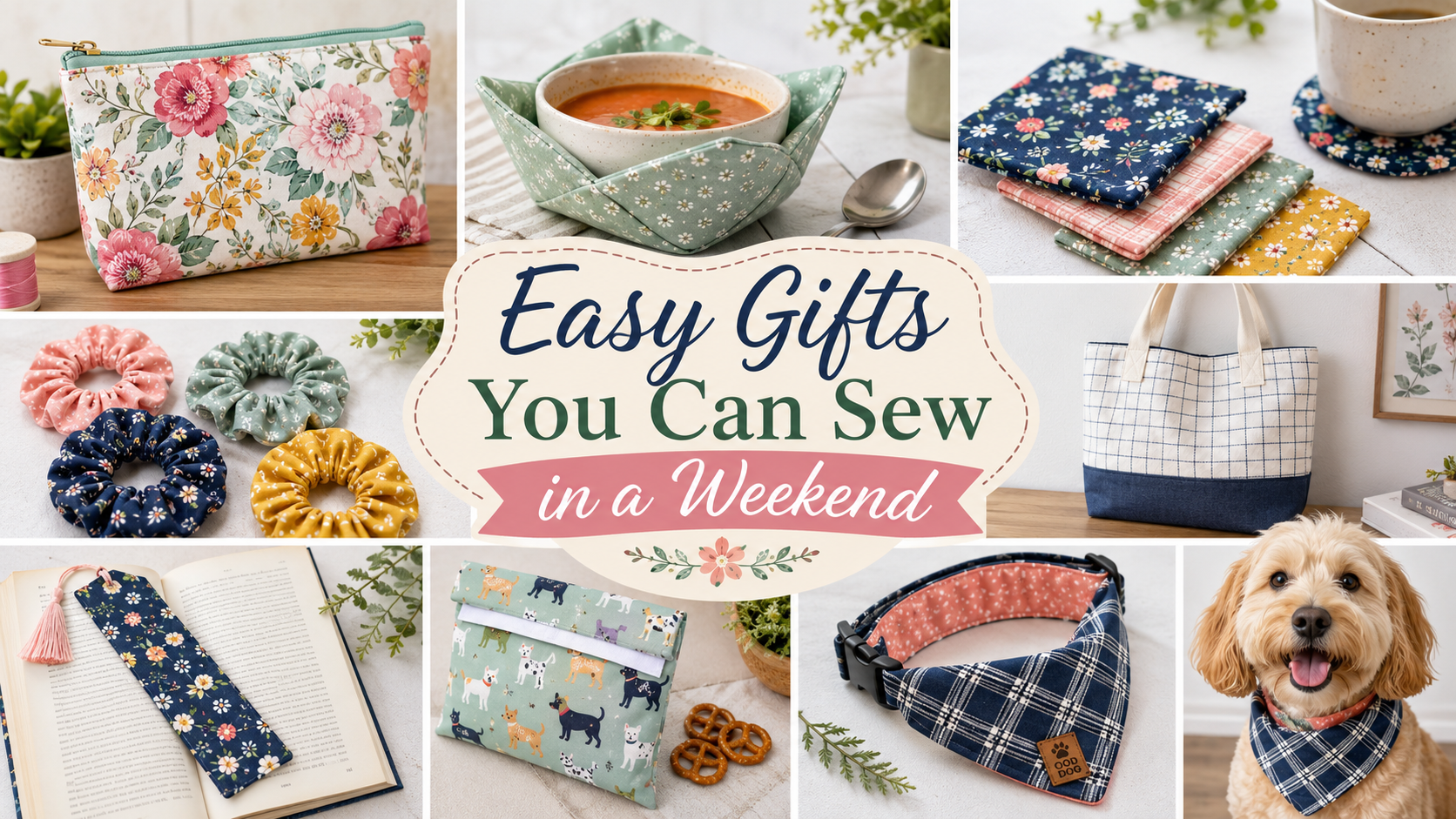
Fabric coasters are an excellent first sewing project because they are small, quick, and made almost entirely with straight seams.
To make one coaster, cut two matching squares of cotton fabric and one square of thin batting. Layer the fabric pieces with the right sides together and place the batting underneath them.
Sew around the edges, leaving a small opening for turning. Turn the coaster right side out, press it flat, and topstitch around the outside edge.
This project teaches you how to:
- Sew straight seams
- Pivot at corners
- Turn a project right side out
- Press fabric
- Add topstitching
Fabric coasters are also a great way to use leftover fabric scraps.
2. Reusable Cloth Napkins
Cloth napkins are one of the easiest and most practical projects for new sewists. They are simply squares of fabric with finished edges.
Cut your fabric into squares measuring approximately 16 by 16 inches. Fold each raw edge toward the wrong side of the fabric by about ¼ inch and press it. Fold the edge over again, press, and sew close to the folded edge.
You can make a matching set for your dining table or create seasonal napkins for holidays and special occasions.
Cloth napkins help you practice measuring, pressing hems, and sewing long straight lines.
3. Simple Tote Bag
A basic tote bag is a classic beginner sewing project. It is useful, customizable, and easier to make than it may appear.
A simple tote can be created from two rectangles of fabric and two fabric straps. Sew the rectangles together along the sides and bottom, hem the top edge, and attach the straps.
For your first tote bag, use sturdy cotton, canvas, or home décor fabric. Avoid slippery or stretchy materials until you have more experience.
Once you master the basic tote, you can add pockets, boxed corners, lining, or decorative trim.
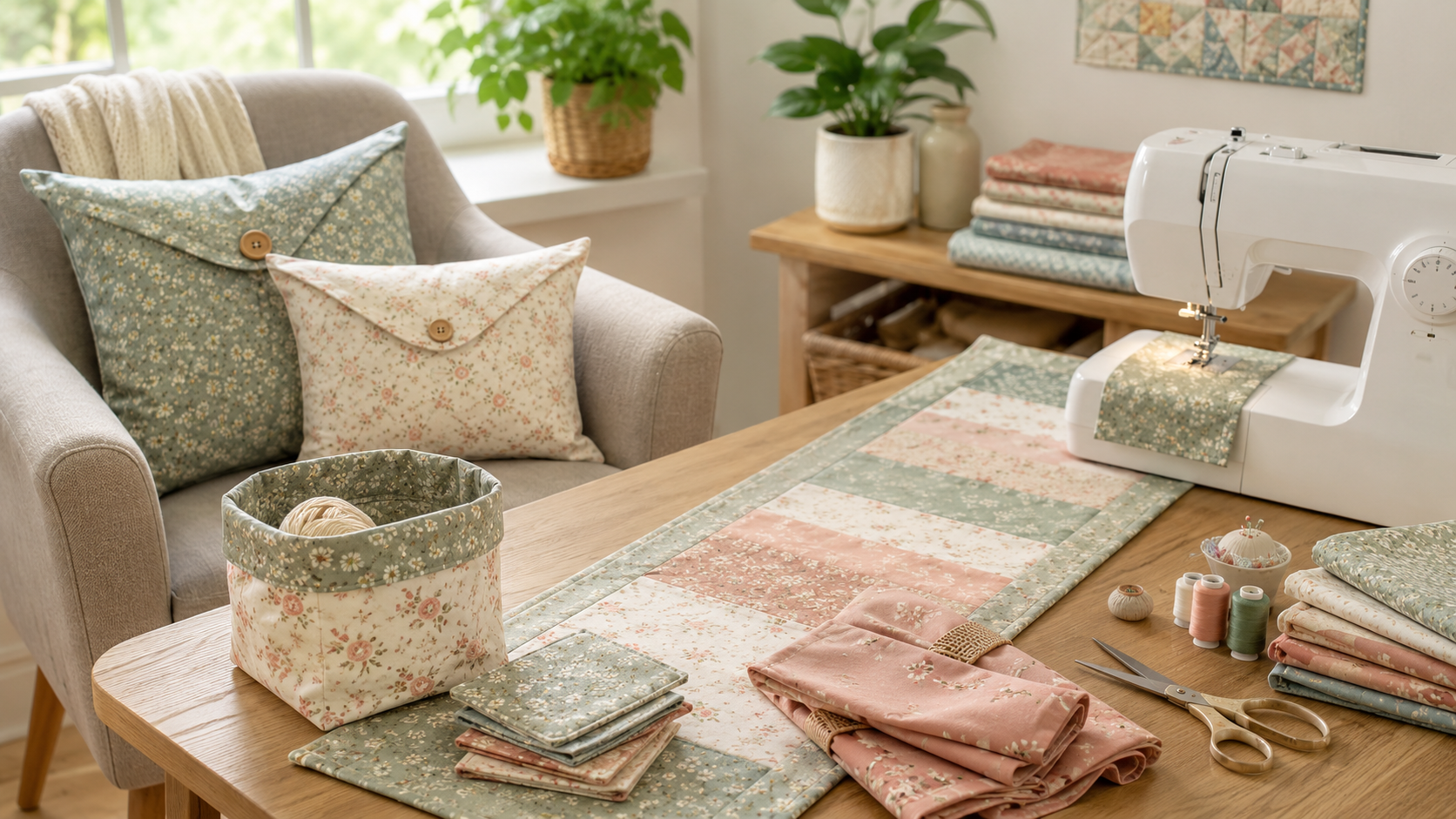
4. Envelope Pillow Cover
An envelope pillow cover allows you to create a decorative pillow without installing a zipper or sewing buttonholes.
The back of the pillow cover is made from two overlapping fabric panels. The panels create an opening that allows the pillow form to slide inside.
This project involves cutting rectangles, hemming two edges, layering the fabric, and sewing around the outside.
Envelope pillow covers are perfect for changing your home décor with the seasons. They are also a budget-friendly way to practice sewing larger pieces of fabric.
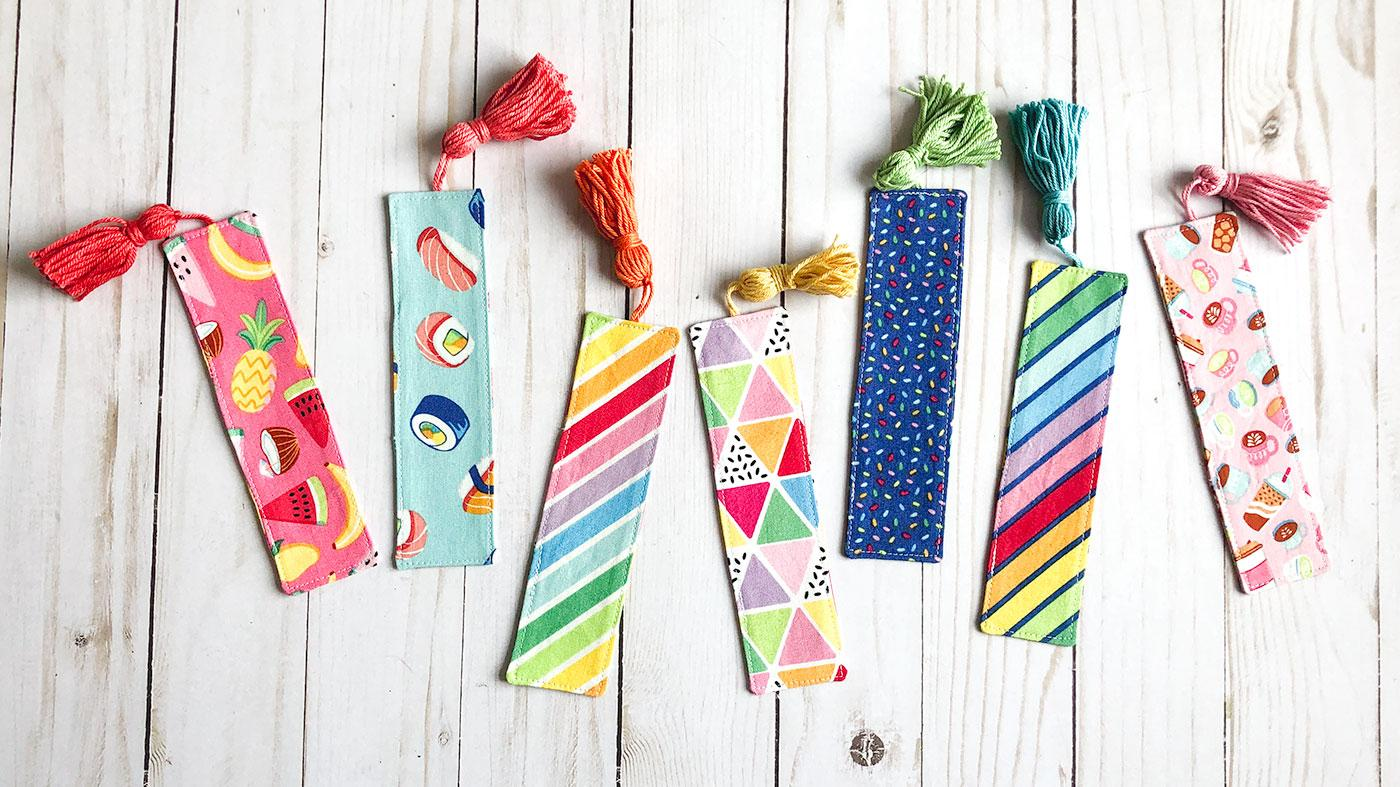
5. Fabric Bookmark
A fabric bookmark is a quick project that can often be completed in less than 30 minutes.
Cut two long rectangles of fabric and one matching piece of lightweight interfacing. Apply the interfacing to the wrong side of one fabric piece. Place the fabric pieces right sides together, sew around the edges, and leave an opening for turning.
After turning and pressing the bookmark, topstitch around the outside edge.
You can personalize bookmarks with decorative fabric, ribbon, embroidery, or a small fabric tab.
6. Drawstring Bag
A drawstring bag introduces beginners to creating a casing, which is a folded fabric channel that holds ribbon or cord.
Drawstring bags can be used for toys, travel items, gifts, shoes, or small sewing supplies. They can also be made in nearly any size.
The basic process includes sewing the side and bottom seams, folding down the top edge to create a casing, and threading ribbon or cord through the opening.
This project teaches an important sewing technique without requiring zippers, snaps, or buttons.
7. Reusable Snack Bag
Reusable snack bags are a simple alternative to disposable plastic bags. A beginner version can be made with cotton fabric and a fold-over top or hook-and-loop closure.
Choose washable fabric and create a small rectangular pouch. Sew the side seams, finish the top edge, and add the closure.
For food items, select materials that are intended for food contact and follow the manufacturer’s washing instructions. Reusable snack bags can also be used for craft supplies, makeup, chargers, or small toys.
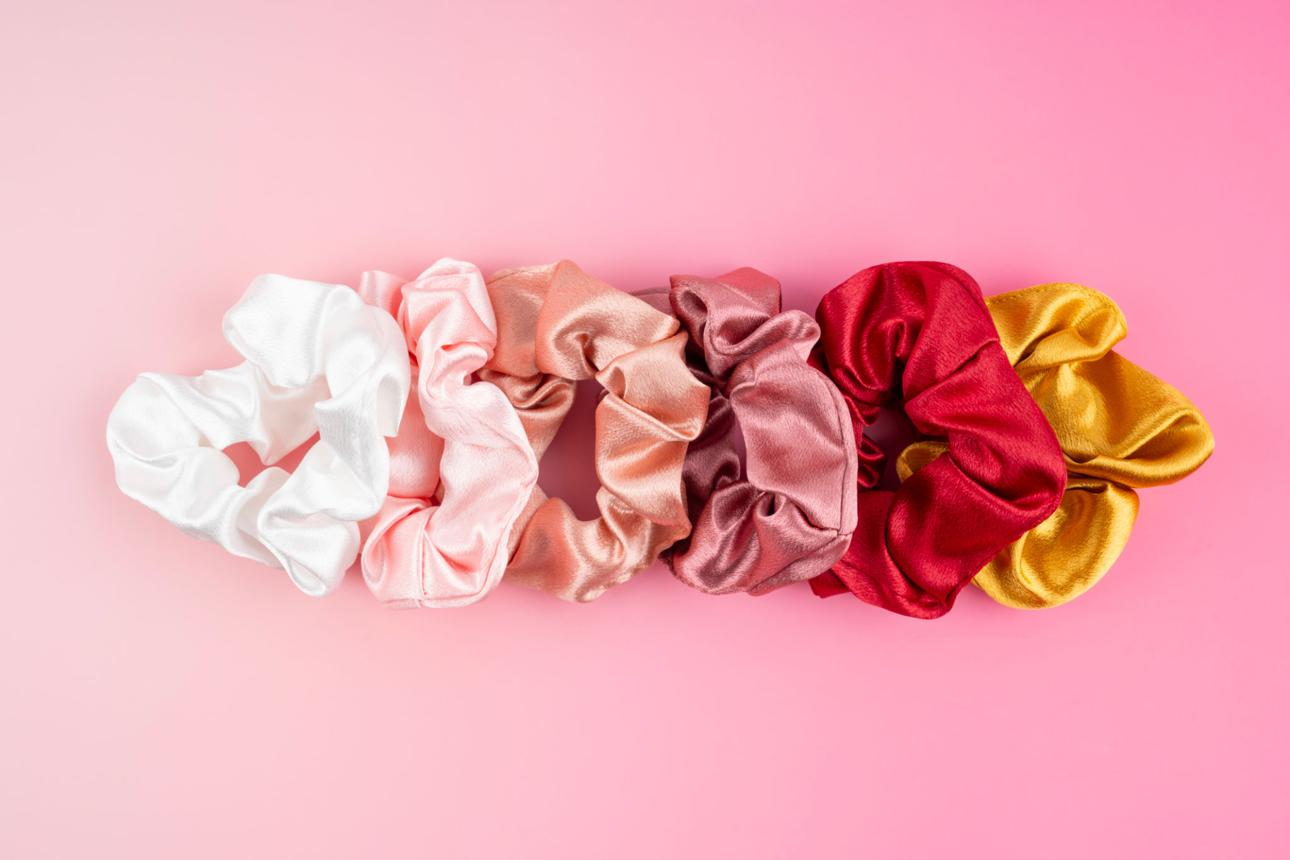
8. Elastic Hair Scrunchie
Scrunchies are small, inexpensive, and ideal for practicing with elastic.
To make a basic scrunchie, sew a long strip of fabric into a tube. Turn the tube right side out, thread elastic through it, and connect the ends.
The final opening can be sewn closed by hand or carefully stitched with the sewing machine.
Cotton fabric is the easiest choice for a first scrunchie. After you become more confident, experiment with satin, velvet, or other specialty fabrics.
9. Microwave Bowl Cozy
A microwave bowl cozy is a useful project that helps protect your hands from hot bowls.
Bowl cozies are typically made from cotton fabric and microwave-safe cotton batting. The fabric and batting are shaped with darts so the finished cozy can hold a bowl.
Although this project includes a few additional steps, it is still manageable for a confident beginner who can sew straight seams.
Use only materials clearly labeled as safe for microwave use. Avoid metallic fabric, metallic thread, and synthetic batting.
10. Simple Apron
A basic apron can be made from a large rectangle of fabric with ties attached at the waist.
Beginner aprons do not need complicated curves, pockets, or adjustable straps. Start with a simple waist apron and add features as your skills improve.
This project gives you practice with hemming, attaching straps, measuring, and sewing longer seams. It also creates a useful item for cooking, cleaning, crafting, or gardening.
Tips for Successfully Completing Your First Sewing Projects
Beginner projects become much easier when you slow down and focus on accuracy rather than speed.
Read All Instructions First
Review the entire project before cutting your fabric. Make sure you understand the steps and have all the necessary materials.
Press as You Sew
Pressing is different from ironing. Instead of moving the iron back and forth, lift and press it onto the fabric. Pressing seams helps projects look neat and professional.
Use the Seam Guide
The markings on the needle plate help you maintain an even seam allowance. Watch the edge of the fabric instead of staring directly at the needle.
Sew Slowly
You do not need to press the foot pedal all the way down. A slower speed gives you more control, especially near corners or small openings.
Backstitch at the Beginning and End
Sew a few stitches forward, a few stitches backward, and then continue forward. Backstitching helps prevent the seam from coming apart.
Keep a Seam Ripper Nearby
Mistakes are a normal part of sewing. Even experienced sewists use seam rippers. Removing a few stitches does not mean you have failed—it simply means you are learning.
Start with Inexpensive Fabric
Practice with fabric remnants, old cotton sheets, or quilting cotton purchased on sale. Save expensive fabric for later projects when you feel more comfortable.
How to Choose Your First Sewing Project
Choose a project that you are excited to use or give as a gift. You are more likely to finish something that feels practical and interesting.
Your first project should ideally:
- Use woven cotton fabric
- Include mostly straight seams
- Require only a few fabric pieces
- Avoid zippers and buttonholes
- Be small enough to complete in one sitting
- Have clear step-by-step instructions
Fabric coasters, bookmarks, napkins, and drawstring bags are especially good choices for a first project.
Do Not Expect Perfection
Your first sewing project may have uneven stitches, slightly crooked seams, or corners that are not perfectly square. That is completely normal.
Each finished project teaches you something new. You may learn how to guide fabric more evenly, measure more carefully, or press seams more accurately. Those small improvements add up quickly.
The goal of beginner sewing is not perfection. The goal is to become comfortable using your sewing machine and enjoy creating something with your own hands.
Final Thoughts
Sewing is a skill that develops through practice. You do not need to begin with a complicated quilt, fitted garment, or zippered handbag. Simple projects can teach you the same foundational techniques without creating unnecessary frustration.
Choose one small project, gather your supplies, and give yourself permission to learn as you go. Before long, you will be ready to move from basic bookmarks and coasters to bags, home décor, clothing, and more advanced sewing projects.
Every experienced sewist started with a first seam. Your first project is simply the beginning.