
Turning your sewing skills into a profitable business is easier than ever, but choosing where to sell your products can feel overwhelming. From major handmade marketplaces to your own online store, each platform offers different advantages.
The best platform for your sewing business depends on what you make, how much time you have for marketing, and whether you want to sell directly to customers, locally, or through retail stores.
Whether you create tote bags, bowl cozies, baby accessories, fabric organizers, pet products, quilts, or seasonal decorations, these are some of the best platforms for selling handmade sewing items.
1. Etsy
Best for: Beginners who want access to an established handmade marketplace
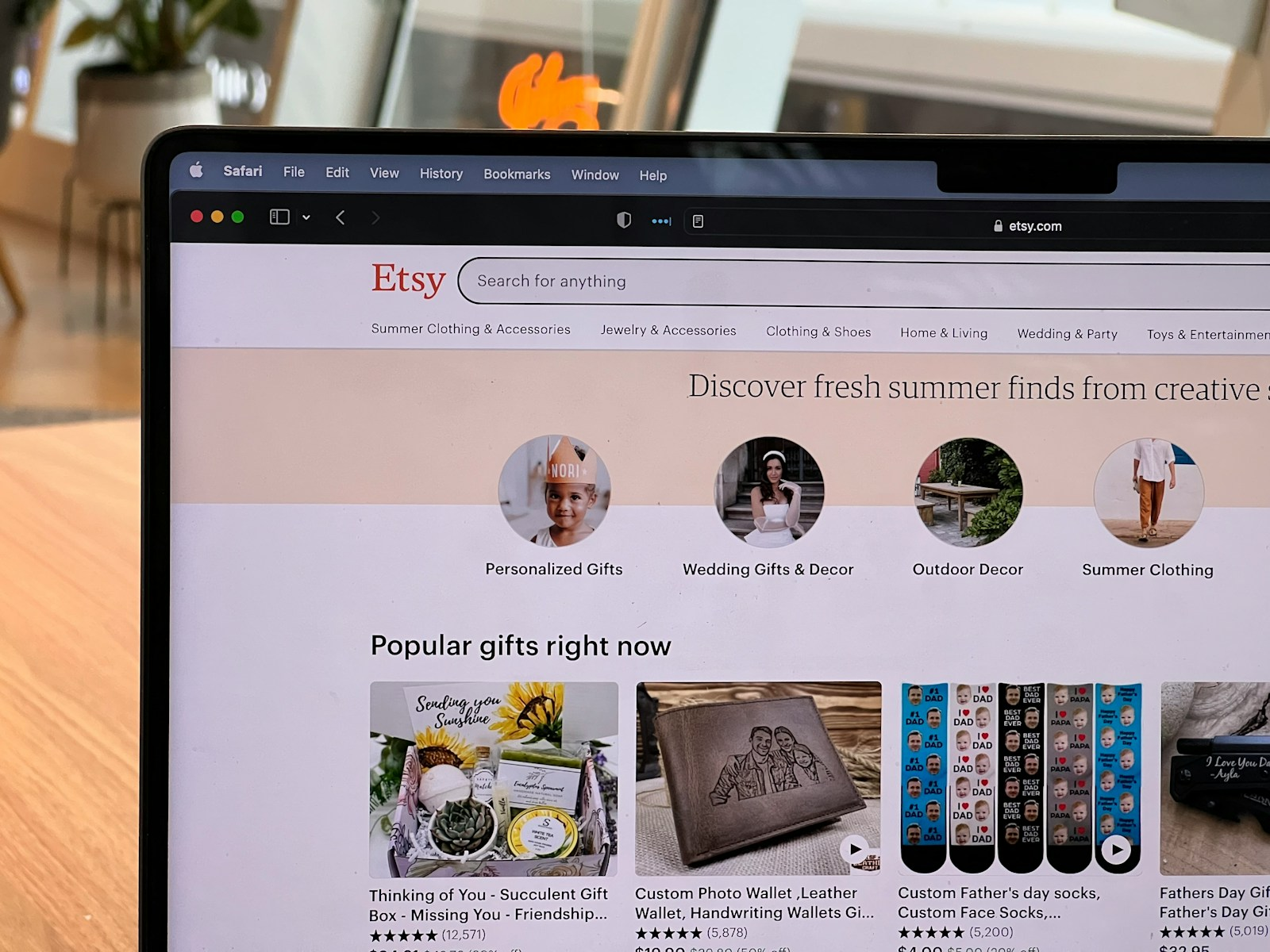
Etsy is often the first platform people consider when they begin selling handmade products. It is designed around creative goods, including products made, designed, selected, or sourced by independent sellers under Etsy’s Creativity Standards.
One of Etsy’s biggest advantages is that shoppers already visit the platform looking for handmade, personalized, and giftable products. You do not have to build an audience completely from scratch.
Handmade sewing items that can perform well on Etsy include:
- Personalized tote bags
- Zipper pouches
- Bowl cozies
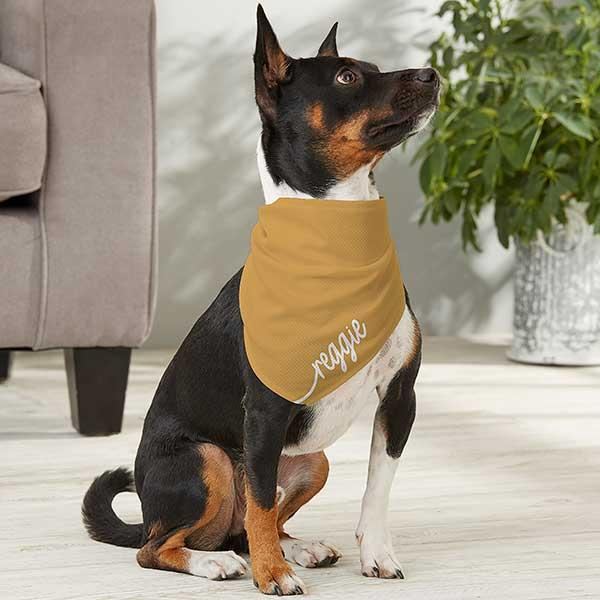
- Dog bandanas
- Fabric bookmarks
- Baby bibs and burp cloths
- Quilted table runners
- Holiday decorations
- Reusable kitchen products
- Sewing patterns and printable instructions
Etsy also gives sellers tools for creating listings, organizing shop sections, processing payments, and communicating with customers. Strong product photography is especially important. Etsy currently recommends using multiple images to show the product, details, scale, and different angles.
Advantages of Etsy
- Customers are already searching for handmade products.
- It is relatively easy to open a shop.
- You do not need to build a separate website.
- The platform supports physical and digital sewing products.
- Buyers are familiar with Etsy’s checkout system.
- Personalized and made-to-order products fit naturally on the platform.
Things to consider
Competition can be high, especially for popular products such as tote bags, baby items, and bowl cozies. Sellers must learn how to use keywords, titles, descriptions, photographs, and pricing to make their listings stand out.
Etsy also charges listing, transaction, payment-processing, and potentially advertising-related fees. Review the current fee schedule before pricing your products because platform costs can change.
Bottom line
Etsy is one of the best places to start when you are new to selling handmade sewing items. It gives you access to shoppers without requiring you to create and market a complete website immediately.
2. Shopify
Best for: Building an independent sewing brand
Shopify allows you to create your own online store instead of placing your products inside a larger marketplace. This gives you more control over your branding, customer experience, product organization, and marketing.
Shopify specifically promotes its platform as a way for handmade businesses to own their brand, customer data, and shopping experience from beginning to end. It can also connect with social platforms and marketplaces, including Facebook, Instagram, Amazon, and Etsy.
A Shopify store may be a good choice when you already have:
- A social media following
- An established Etsy shop
- An email list
- A blog that receives regular visitors
- Repeat customers
- A recognizable sewing brand
You can organize products into collections such as kitchen accessories, pet products, baby gifts, fabric organizers, holiday items, and sewing patterns.
Advantages of Shopify
- You control the appearance of your store.
- Your business is not surrounded by competing sellers.
- You can collect customer email addresses for future marketing.
- You can create bundles, promotions, and loyalty offers.
- You can sell physical products and digital sewing patterns.
- Your website can grow with your business.
Things to consider
Unlike Etsy, Shopify does not automatically provide a large audience of shoppers searching specifically for handmade items. You are responsible for bringing people to your store through Pinterest, Google, social media, email marketing, blogging, or paid advertising.
Shopify also has recurring subscription costs in addition to payment-processing expenses.
Bottom line
Shopify is best for sellers who are ready to build a long-term brand. Many sewing businesses begin on Etsy and add a Shopify website after they have developed a product line and customer base.
3. Amazon Handmade
Best for: Sellers who want access to Amazon customers
Amazon Handmade is a dedicated program for approved makers selling handcrafted products. Sellers must apply before joining, and approved businesses can create a Handmade storefront for their products.
Amazon Handmade may work well for sewing products that are easy to reproduce consistently, such as:
- Reusable snack bags
- Fabric storage baskets
- Aprons
- Pet accessories
- Baby blankets
- Cosmetic bags
- Home décor products
- Personalized gifts
Amazon customers often value convenience, clear delivery expectations, and reliable service. Sellers should be prepared to maintain inventory, respond promptly to customers, and ship orders according to the platform’s requirements.
Advantages of Amazon Handmade
- Products can be found by customers already shopping on Amazon.
- Amazon is a familiar and trusted shopping platform.
- Sellers can create a dedicated Handmade storefront.
- It may provide additional visibility for established products.
Things to consider
Amazon can be highly competitive and price-sensitive. The platform may not be ideal for one-of-a-kind products that require lengthy customer conversations or frequent design changes.
The application process and seller requirements may also make it less beginner-friendly than Etsy.
Bottom line
Amazon Handmade is worth considering once you have a consistent production process and several products that you can make repeatedly without sacrificing quality.
4. Square Online
Best for: Sewing businesses that sell online and at craft fairs
Square is especially helpful for makers who sell through a combination of craft fairs, local events, vendor markets, pop-up shops, and online orders.
Square’s website tools connect with its point-of-sale system, allowing online and in-person sales to remain synchronized. Sellers can offer shipping, pickup, and local delivery while managing products and customer information from one system.
This can be valuable when you bring the same inventory to several events. For example, when a tote bag sells at a craft fair, your online inventory can be updated so the same product is not accidentally sold twice.
Advantages of Square Online
- Online and in-person inventory can remain connected.
- It works well with Square payment readers.
- Sellers can offer pickup, shipping, and local delivery.
- A free website option may be available, with processing fees charged when sales occur.
- It is useful for seasonal vendor events and craft shows.
- No advanced coding knowledge is required.
Things to consider
Square does not provide the same built-in handmade shopping audience as Etsy. You will still need to promote your store.
The website customization and advanced features available to you may depend on the plan you select.
Bottom line
Square Online is one of the strongest choices for sewing businesses that regularly attend craft fairs or accept local orders.
5. Faire
Best for: Selling handmade sewing products wholesale
Faire is different from Etsy and Shopify because it connects product brands with independent retailers. Instead of selling one product directly to a consumer, you may receive an order from a boutique, gift shop, pet store, baby store, or fabric shop purchasing several items for resale.
Faire allows brands to connect with retailers, accept wholesale orders, manage inventory, print packing slips, track performance, and integrate products from Shopify.
Products that may work well for wholesale include:
- Dog bandanas
- Cosmetic bags
- Fabric bookmarks
- Baby accessories
- Seasonal ornaments
- Reusable kitchen products
- Small fabric gifts
- Coordinated product collections
Advantages of Faire
- You can reach independent retail stores.
- Wholesale orders can be larger than individual customer orders.
- The platform provides tools for managing retailer relationships.
- It can help expand your products beyond online marketplaces.
- Shopify sellers can connect their existing product catalog.
Things to consider
Wholesale pricing is lower than retail pricing because stores need room to mark up the products. Before selling wholesale, calculate your material expenses, labor, packaging, platform costs, and profit carefully.
You must also be able to produce larger quantities within a reliable timeline.
Bottom line
Faire is best for an established sewing business with repeatable products, dependable production times, and enough profit margin to support wholesale pricing.
6. Pinterest
Best for: Sending shoppers to your Etsy shop or website
Pinterest is not a complete replacement for an online store because it generally directs shoppers to another website for checkout. However, it can be one of the most valuable discovery platforms for handmade sewing businesses.
Pinterest business accounts can create product Pins and tag products without paying a listing fee. Pinterest does not take a commission from sales generated through organic product content; shoppers are directed to the seller’s own website or connected store to complete the purchase.
Sewing products are naturally visual, making Pinterest a good place to share:
- Product photographs
- Gift guides
- Sewing room organization ideas
- Seasonal product collections
- Behind-the-scenes photographs
- Fabric combinations
- Product demonstrations
- Care instructions
- Blog posts
- Sewing tutorials
A pin featuring a handmade product can continue sending visitors to a shop long after it was originally published.
Bottom line
Use Pinterest alongside Etsy, Shopify, or Square rather than treating it as your only selling platform.
Quick Platform Comparison
| Platform | Best For | Built-In Audience | Marketing Required |
|---|---|---|---|
| Etsy | New handmade sellers | High | Moderate |
| Shopify | Building an independent brand | Low | High |
| Amazon Handmade | Consistent, repeatable products | High | Moderate |
| Square Online | Craft fairs and local selling | Low | High |
| Faire | Wholesale orders | Retailer audience | Moderate |
| Product discovery and traffic | High discovery potential | Moderate |
Which Platform Should You Choose?
You do not have to choose only one platform forever. A sewing business can gradually build a multichannel strategy.
A practical progression might look like this:
For a beginner
Start with Etsy. Create a small collection of five to ten products and learn which designs receive the most views, favorites, and orders.
For a craft-fair seller
Use Square for in-person payments and connect it to a Square website for online orders, pickups, and local delivery.
For an established Etsy seller
Add a Shopify store so you can strengthen your brand, build an email list, and create a shopping experience that you control.
For a production-ready business
Consider Amazon Handmade for additional retail exposure or Faire for wholesale opportunities.
Tips for Selling Handmade Sewing Items on Any Platform
Regardless of where you sell, several practices can improve your chances of success.
Use clear product photographs
Show the entire item, close-up details, the inside or back, important features, and the product being used. Include an image that helps customers understand its size.
Write detailed descriptions
Include the dimensions, materials, care instructions, color choices, production time, and intended use. Explain whether the item is ready to ship or made to order.
Price for profit
Your price should cover fabric, thread, interfacing, zippers, buttons, packaging, labor, selling fees, overhead, and profit. Do not price your handmade work based only on the cost of the fabric.
Create a recognizable style
Use consistent colors, photographs, packaging, and product designs. Customers should begin to recognize your products when they see them.
Focus on a specific customer
A shop designed around gifts for dog owners will usually be easier to market than a shop filled with unrelated sewing projects. You can expand later, but a focused product line helps customers understand what your business offers.
Track your best sellers
Pay attention to which products receive views, saves, questions, and sales. Create additional colors, sizes, bundles, or seasonal versions of products that already perform well.
Final Thoughts
For most new sewing businesses, Etsy is the easiest place to begin because it provides access to customers who are already looking for handmade products. However, building your own website through Shopify or Square can give you more independence and control as your business grows.
Amazon Handmade can expand the reach of consistent products, while Faire offers opportunities for wholesale growth. Pinterest can support all of these platforms by helping potential customers discover your products.
The strongest long-term strategy is often a combination of platforms: use a marketplace for visibility, a website for brand ownership, and Pinterest or social media to bring new shoppers into your business.
Start with the platform that matches your current time, budget, and production capacity. You can always add another sales channel once you know which handmade sewing items your customers want most.