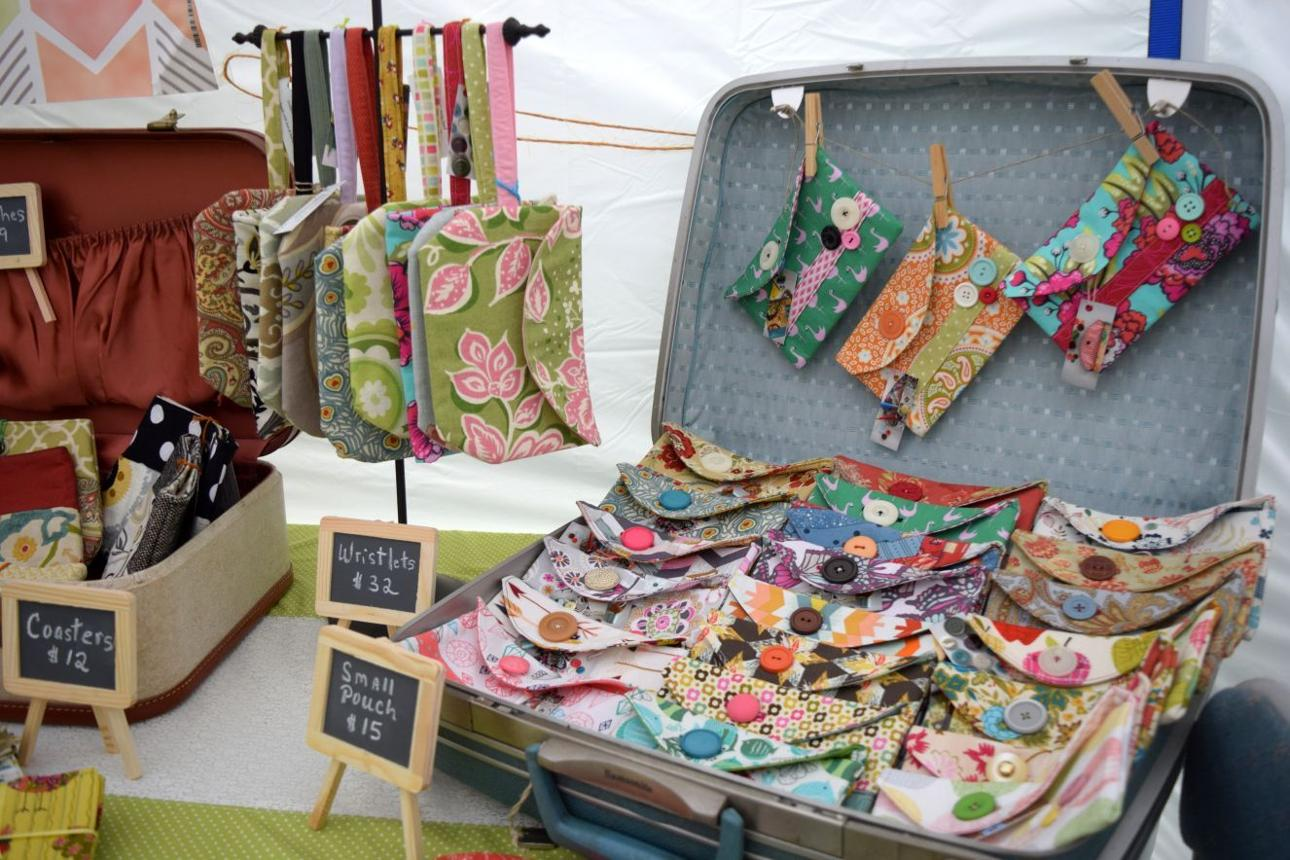

Sewing from home can be anything from a little extra “fun money” to a real part-time or full-time business. The honest answer is: how much you make depends on what you sew, how fast you work, how well you price your items, and how consistently you market them.
Some sewists make $100–$300 a month selling a few small handmade items. Others make $1,000–$3,000+ a month with custom work, local orders, Etsy sales, craft fairs, alterations, or digital sewing patterns. A smaller number turn sewing into a full-time business, but that usually takes time, systems, and strong product demand.
For a helpful reference point, O*NET lists the 2024 median wage for sewing machine operators at $17.31 per hour, or about $36,000 per year. Of course, a home sewing business is different from an hourly sewing job because you also have to account for supplies, fees, shipping, marketing, and unpaid time.
Realistic Monthly Income Ranges for Sewing from Home
| Level | Possible Monthly Income | What This Usually Looks Like |
|---|---|---|
| Hobby income | $50–$300 | A few sales per month, gifts, small local orders |
| Beginner side hustle | $300–$1,000 | Etsy listings, craft fairs, custom orders, small batches |
| Serious part-time business | $1,000–$3,000 | Consistent product line, repeat customers, marketing |
| Full-time potential | $3,000–$6,000+ | Strong niche, efficient production, multiple income streams |
These numbers are not guaranteed, but they are realistic starting points. The biggest mistake new sellers make is assuming that a $25 sale means they made $25. It does not. You have to subtract fabric, thread, interfacing, packaging, platform fees, shipping supplies, taxes, and your time.
What Affects How Much You Can Make?
1. What You Choose to Sew
Not every sewing project is equally profitable. Some items take too long to make for the price customers are willing to pay. Other items are quick, useful, and easy to batch sew.
Good options for home sewing income may include:
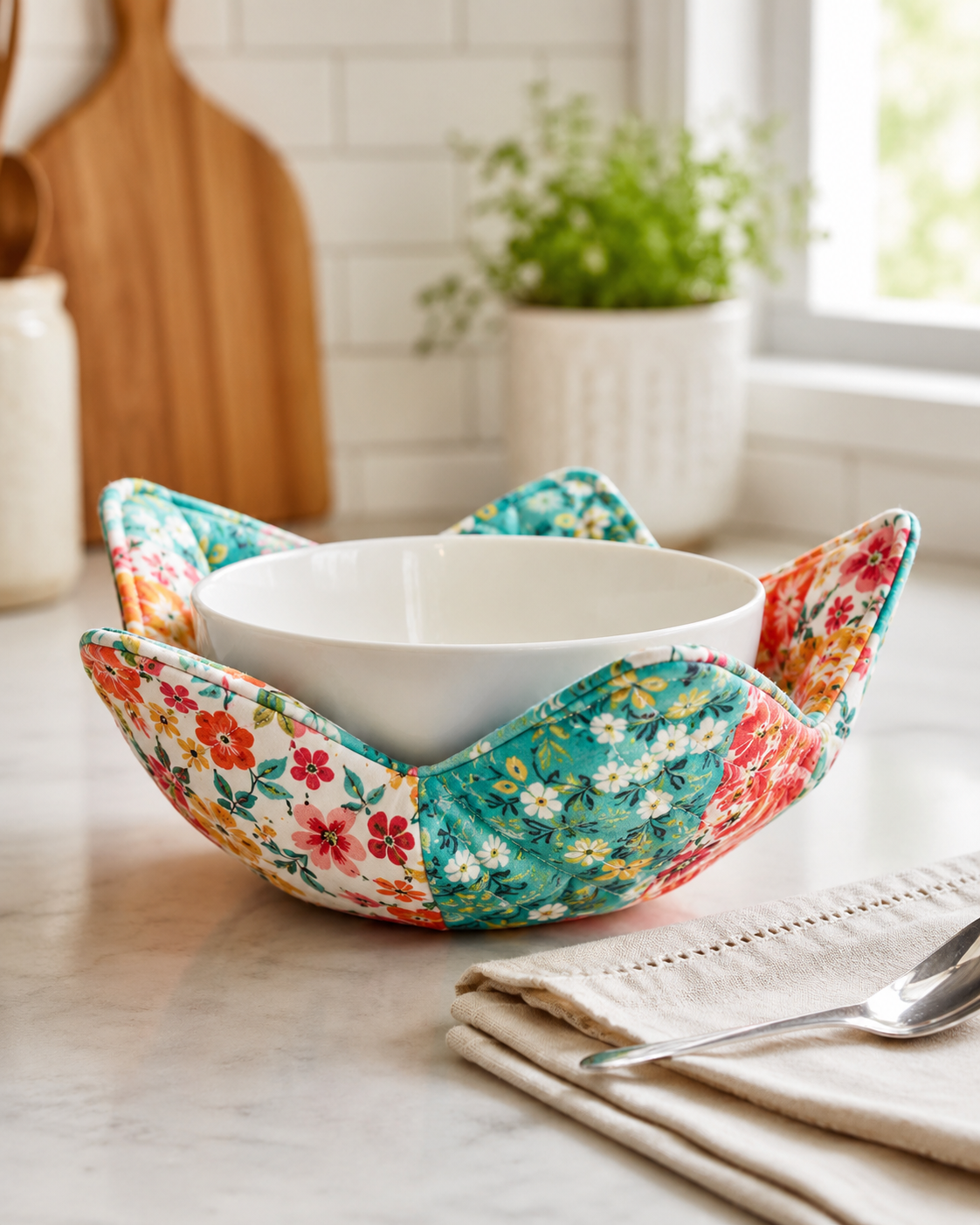
- Bowl cozies
- Zipper pouches
- Tote bags
- Baby gifts
- Pet accessories
- Memory pillows
- Alterations
- Holiday decor
- Craft fair items
- Digital sewing patterns
The most profitable products are usually items that are quick to make, easy to repeat, and priced high enough to cover your time.
2. How Fast You Can Sew
Speed matters. If you sell a product for $30 and it takes you three hours to make, you are not making much after supplies and fees. But if you can batch sew six of that same item in three hours, your hourly profit improves quickly.
This is why simple, repeatable items often make better products than complicated one-of-a-kind projects.
3. How You Price Your Work
A basic pricing formula looks like this:
Materials + Labor + Overhead + Fees + Profit = Selling Price
For example:
- Fabric, interfacing, thread: $6
- Packaging: $1
- Labor: 45 minutes at $20/hour = $15
- Fees/overhead: $4
- Profit: $8
Your price would need to be around $34 just to make that item worth your time.
Handmade pricing guides often recommend accounting for materials, labor, overhead, and selling fees. A healthy handmade net profit margin is often around 20%–40% after costs, depending on the product and business model.
4. Where You Sell
Where you sell affects your profit.
If you sell on Etsy, you need to include fees in your pricing. Etsy currently charges a $0.20 listing fee and a 6.5% transaction fee on the total order amount. Offsite Ads may also apply, with fees of 12% or 15% depending on your shop’s sales history.
You can also sell through:
- Local craft fairs
- Facebook Marketplace
- Local boutiques
- Your own website
- Instagram or Pinterest
- Word of mouth
- Custom orders
- Digital downloads
Selling locally may reduce shipping work, but online selling can help you reach more customers.
Sewing Income Example
Let’s say you sell handmade zipper pouches for $24 each.
Your costs might look like this:
- Materials: $5
- Packaging: $1
- Selling fees: about $3
- Total expenses: $9
That leaves $15 before paying yourself for labor.
If one pouch takes 30 minutes to make, your possible labor/profit is about $30 per hour before taxes. But if it takes 90 minutes, that drops to $10 per hour. This is why timing yourself is so important.
Best Ways to Make More Money Sewing from Home
Batch Your Projects
Instead of cutting and sewing one item at a time, cut several at once. Sew all the same steps together. This saves time and helps you earn more per hour.
Choose a Niche
A general sewing shop can work, but a focused shop is often easier to market. Examples include:
- Gifts for teachers
- Pet accessories
- Beginner sewing patterns
- Farmhouse kitchen items
- Baby shower gifts
- Reusable household items
- Holiday sewing patterns
A clear niche helps customers understand what you sell and why they should buy from you.
Sell Digital Sewing Patterns
Digital patterns can be a great income stream because you make the pattern once and can sell it over and over. You still need to create instructions, photos, templates, and customer support, but you are not physically sewing and shipping every item.
This can be especially helpful if you enjoy designing projects more than producing inventory.
Offer Custom or Local Services
Alterations, memory pillows, embroidery, hemming, and custom gifts can often bring in higher prices than small ready-made items. Local sewing services can also grow quickly through word of mouth.
Track Your Numbers
Keep track of:
- Material cost
- Time per item
- Selling price
- Fees
- Shipping supplies
- Profit per item
- Best-selling products
Once you know which items actually make money, you can focus on sewing more of those.
Can You Make a Full-Time Income Sewing from Home?
Yes, it is possible, but it usually does not happen overnight. Most people start sewing from home as a side hustle. Over time, they figure out what sells, improve their pricing, build an audience, and create systems that make production easier.
A full-time sewing income is more realistic when you combine several income streams, such as:
- Handmade products
- Digital sewing patterns
- Local alterations
- Craft fairs
- Wholesale orders
- Sewing classes
- Blog or YouTube income
- Affiliate income from sewing tools and supplies
The more your business depends only on your hands sewing every item, the harder it can be to scale. Adding digital products, tutorials, patterns, or teaching can help increase income without adding endless sewing hours.
Final Thoughts
So, how much can you make sewing from home?
You might make a few hundred dollars a month as a beginner. With consistent products and marketing, you could grow to $1,000–$3,000 a month part-time. With a strong niche, smart pricing, and multiple income streams, sewing from home can become a serious business.
The key is to treat your sewing like a business from the beginning. Price your work properly, track your time, choose products people actually want, and do not underpay yourself just because you enjoy sewing.
Your sewing skills are valuable. The goal is to create products that customers love while making sure your time, creativity, and materials are fully covered.
Subscribe to our newsletter!