If you know how to sew — even at a beginner or intermediate level — you already have a skill that thousands of people are willing to pay for.
In a world full of mass-produced products, handmade items stand out. People love custom creations, personalized gifts, pet accessories, home décor, and clothing alterations because they offer something stores cannot: individuality and craftsmanship.
The best part? You do not need a storefront, a fashion degree, or thousands of dollars to start a sewing side hustle from home.
Many successful sewing businesses begin with:
- One sewing machine
- A small workspace
- A few basic supplies
- A willingness to learn as they go
Whether you want extra income, a creative outlet, or the foundation for a future full-time business, sewing can become a flexible and rewarding side hustle.
This guide will walk you through exactly how to start a sewing side hustle from home — even on a small budget.
Why Sewing Is a Great Side Hustle
Sewing has several advantages over many other side hustles.
Low Startup Costs
You likely already own the most expensive tool: a sewing machine.
Compared to businesses that require inventory, office space, or expensive equipment, sewing can be started very affordably.
Flexible Schedule
You can sew:
- After work
- On weekends
- During school hours
- Late at night
- Whenever your schedule allows
This makes it ideal for parents, teachers, retirees, and anyone balancing another job.
High Demand for Handmade Items
People are actively searching for:
- Dog bandanas
- Tote bags
- Baby gifts
- Zipper pouches
- Alterations
- Home décor
- Personalized items
Handmade products continue to grow in popularity because buyers value unique, small-business creations.
You Can Start Small
You do not need:
- A giant craft room
- Professional photography
- A large inventory
- Fancy branding
Many successful sellers began with one or two products and improved over time.
Step 1: Decide What You Want to Sew
One of the biggest mistakes beginners make is trying to sew everything.
Instead, focus on a few simple products first.
Choose projects that are:
- Easy to repeat
- Fast to make
- Affordable to ship
- Popular with buyers
- Beginner-friendly
Best Sewing Products for Beginners to Sell
Dog Bandanas
Dog bandanas are one of the easiest sewing products to start with because they:
- Require little fabric
- Sew quickly
- Sell year-round
- Allow endless fabric variations
Pet owners love seasonal and personalized accessories.
Tote Bags
Simple tote bags are practical, beginner-friendly, and popular.
You can create:
- Grocery totes
- Teacher bags
- Library totes
- Farmer’s market bags
Customization increases value.
Zipper Pouches
Zipper pouches are highly profitable because they use small fabric pieces and appeal to many audiences.
Popular uses include:
- Makeup bags
- Pencil pouches
- Travel organizers
- Coin purses
Pillow Covers
Home décor items are always in demand.
Envelope pillow covers are especially beginner-friendly because they require minimal hardware and simple straight seams.
Baby Items
Handmade baby products often sell well because people love giving personalized gifts.
Popular ideas:
- Burp cloths
- Bibs
- Baby blankets
- Pacifier clips
- Taggie blankets
Simple Alterations
If you are comfortable sewing garments, alterations can become a reliable income source.
People regularly need:
- Pants hemmed
- Buttons replaced
- Zippers repaired
- Dresses adjusted
This can generate steady local business.
Step 2: Start With the Equipment You Already Have
You do not need an industrial sewing studio to begin.
Start with basic tools and upgrade later.
Essential Sewing Supplies
Sewing Machine
A reliable beginner machine is enough to start.
You do not need:
- Embroidery features
- Hundreds of stitches
- Professional-grade equipment
Straight stitch and zigzag stitch are enough for many products.
Basic Sewing Tools
Start with:
- Fabric scissors
- Pins or clips
- Rotary cutter
- Measuring tape
- Seam ripper
- Iron
- Cutting mat
That is enough for most beginner sewing businesses.
Fabric
Avoid buying huge fabric quantities in the beginning.
Instead:
- Buy small amounts
- Test products first
- Learn what customers actually want
Many new sellers waste money purchasing too much inventory before validating their products.
Step 3: Create a Small Workspace at Home
You do not need a dedicated sewing room.
Many side hustlers begin sewing:
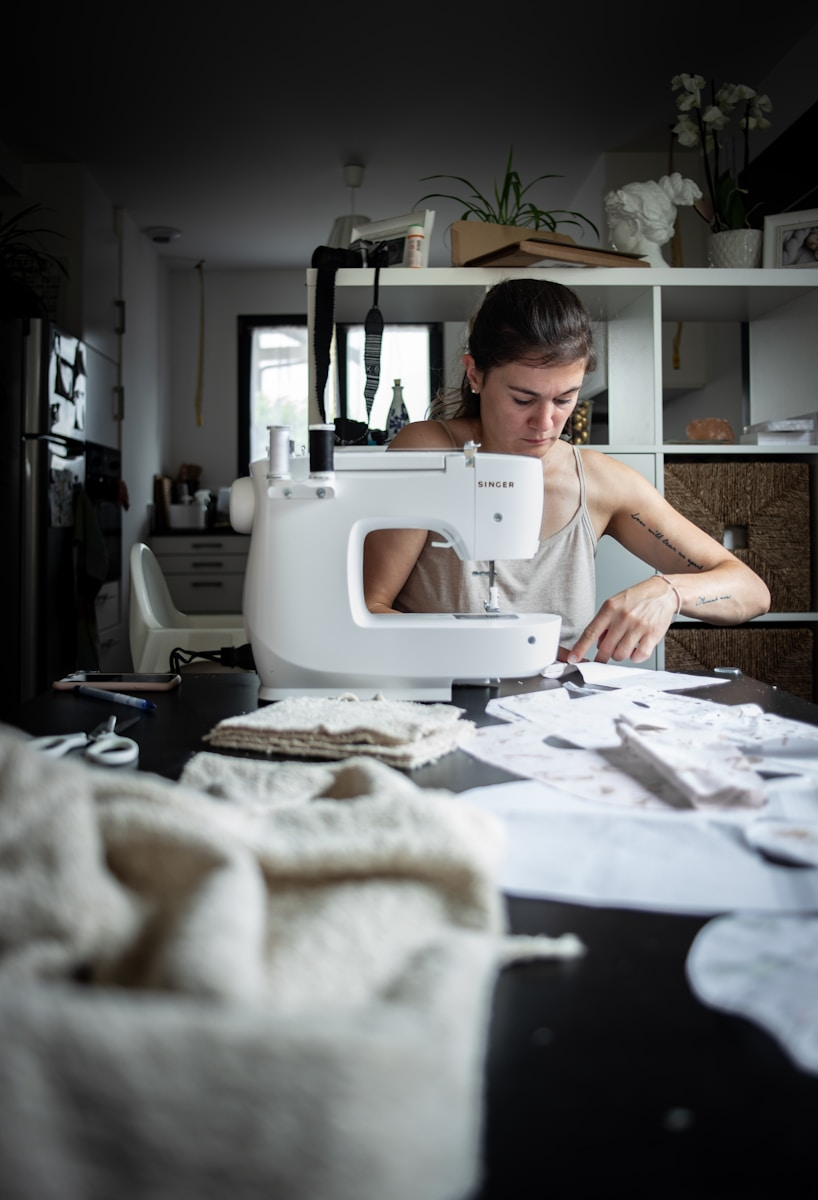
- At the kitchen table
- In a corner of the bedroom
- In a small office
- In a dining room
What matters most is organization.
Simple Workspace Tips
Prioritize Good Lighting
Poor lighting causes mistakes and eye strain.
Natural light works best when possible.
Use Vertical Storage
Shelves, pegboards, and rolling carts help maximize small spaces.
Keep Supplies Organized
Separate:
- Fabric
- Patterns
- Thread
- Packaging materials
The more organized you are, the faster you can work.
Step 4: Price Your Products Correctly
Pricing is where many beginners struggle.
One of the fastest ways to burn out is underpricing your work.
Remember:
You are not just charging for fabric.
You are charging for:
- Time
- Skill
- Equipment
- Packaging
- Shipping supplies
- Wear and tear
- Business expenses
Simple Pricing Formula
A beginner-friendly formula is:
Materials + Labor + Profit
Example:
- Fabric/materials: $4
- Labor: $12
- Profit/overhead: $8
Selling price:
$24
Do not compare your handmade products to mass-produced discount store items.
Handmade items are premium products.
Even better, sign up for our newsletter and get a free pricing guide.
Subscribe to our newsletter!
Step 5: Start Selling Before Everything Feels Perfect
Many people delay starting because they think they need:
- A perfect logo
- Professional branding
- A website
- Hundreds of products
- Professional photography
You do not.
You need:
- A good product
- Clear photos
- A way to accept payment
That is enough to begin.
Best Places to Sell Handmade Sewing Products
Etsy
Etsy is one of the easiest platforms for beginners because buyers already search there for handmade products.
Pros:
- Built-in audience
- Easy setup
- Handmade-friendly
Cons:
- Fees
- Competition
Still, it remains one of the best starting points.
Facebook Marketplace
Great for:
- Local sales
- No shipping
- Quick cash
Especially useful for:
- Alterations
- Home décor
- Custom items
Craft Fairs
Local markets allow customers to:
- Touch your products
- Meet you
- See your quality in person
Even small community events can be profitable.
Your Own Website
Eventually, having your own website gives you more control and higher profits.
A simple sewing blog can help attract customers through:
- Tutorials
- Product showcases
- Sewing tips
- Pinterest traffic
This works especially well for people who enjoy writing.
Step 6: Learn to Take Better Product Photos
Good photos sell products.
You do not need an expensive camera.
Most modern smartphones work perfectly.
Easy Product Photography Tips
Use Natural Light
Photograph near a window during daytime.
Avoid harsh yellow indoor lighting.
Keep Backgrounds Simple
Use:
- White poster board
- Neutral blankets
- Wooden tables
- Plain walls
Busy backgrounds distract from the product.
Show Scale
For dog bandanas or bags, show the item being used whenever possible.
Lifestyle photos help buyers visualize the product.
Step 7: Build a Small Brand
You do not need a huge business identity immediately, but branding does matter over time.
A memorable brand helps customers:
- Recognize your products
- Remember your shop
- Recommend you to others
What Makes a Good Sewing Brand?
Consistency
Use similar:
- Colors
- Fonts
- Photography styles
- Packaging
A Clear Niche
It is easier to grow when people know what you specialize in.
Examples:
- Pet accessories
- Farmhouse décor
- Teacher gifts
- Minimalist baby items
Personality
People often buy handmade items because they want to support a real person.
Share:
- Your sewing journey
- Behind-the-scenes photos
- Works in progress
Connection builds trust.
Step 8: Use Pinterest to Drive Traffic
Pinterest is one of the best free marketing tools for sewing businesses.
Unlike social media posts that disappear quickly, Pinterest pins can continue bringing traffic for months or years.
What to Post on Pinterest
Product Photos
Pin:
- Seasonal products
- Styled product photos
- Gift ideas
Tutorials
Tutorials attract people searching for sewing ideas.
Examples:
- “How to Sew a Dress in a Day”
- “Easy Beginner Tote Bag”
- “5 Sewing Mistakes Beginners Make”
Blog Posts
If you have a website, Pinterest can become a major traffic source.
Many sewing bloggers receive thousands of monthly visitors through Pinterest alone.
Step 9: Start Small and Improve Over Time
Do not expect perfection immediately.
Every successful sewing seller started as a beginner.
Your:
- Photos
- Sewing skills
- Packaging
- Branding
- Marketing
will improve with experience.
The key is starting before you feel fully ready.
Step 10: Avoid Common Sewing Side Hustle Mistakes
Trying to Sell Too Many Products
Too much variety becomes overwhelming.
Focus on a few products first.
Underpricing
Cheap prices often lead to burnout.
Value your time.
Buying Too Much Inventory
Do not purchase hundreds of dollars in fabric before testing products.
Start lean.
Ignoring Shipping Costs
Shipping supplies add up quickly.
Factor in:
- Labels
- Tape
- Mailers
- Boxes
Comparing Yourself to Large Shops
Big shops often have:
- Teams
- Commercial equipment
- Years of experience
Focus on your own progress.
Step 11: Keep Learning New Skills
The sewing world constantly evolves.
As your confidence grows, you can learn:
- Bag making
- Embroidery
- Quilting
- Garment sewing
- Pattern drafting
- Machine embroidery
New skills create new income opportunities.
Step 12: Turn Customers Into Repeat Buyers
Repeat customers are incredibly valuable.
Happy customers often:
- Buy again
- Recommend you
- Leave reviews
- Share your products online
Easy Ways to Encourage Repeat Sales
Include Thank-You Notes
A handwritten note feels personal and memorable.
Offer Seasonal Collections
Holiday and seasonal releases encourage repeat purchases.
Create Matching Sets
Examples:
- Dog bandana + leash holder
- Tote + zipper pouch
- Baby blanket + bib
Bundles increase order size.
Step 13: Manage Your Time Wisely
Balancing sewing with everyday life can be challenging.
Especially if you:
- Work full time
- Teach
- Parent
- Care for family members
Create realistic goals.
Time-Saving Tips
Batch Sew
Cut several items at once.
Then:
- Sew all straps
- Sew all hems
- Add all tags
Batching speeds up production dramatically.
Set Small Weekly Goals
Examples:
- Sew 10 bandanas
- Photograph 5 products
- List 3 Etsy items
Small progress adds up quickly.
Step 14: Know When to Raise Prices
As your skills improve, your prices should increase too.
Signs it is time:
- Orders consistently sell out
- You are overwhelmed with demand
- Your quality improves significantly
- You work faster and more efficiently
Do not stay stuck at beginner prices forever.
Step 15: Believe That Small Beginnings Matter
Many successful handmade businesses began with:
- One product
- One table
- One sewing machine
You do not need a massive audience or perfect setup to begin building something meaningful.
What matters most is consistency.
The people who succeed are usually not the most talented at the start.
They are the ones who:
- Keep learning
- Keep sewing
- Keep improving
- Keep showing up
Final Thoughts
Starting a sewing side hustle from home is one of the most accessible ways to turn creativity into income.
You can begin small.
You can learn as you go.
You can build gradually without massive financial risk.
Start with simple products.
Use the tools you already own.
Focus on quality.
Improve little by little.
Most importantly, do not wait for everything to be perfect before starting.
Your first products may not be flawless.
Your first photos may not be amazing.
Your first sales may come slowly.
That is normal.
Every successful sewing business started exactly the same way — with someone deciding to begin.
Subscribe to our newsletter!