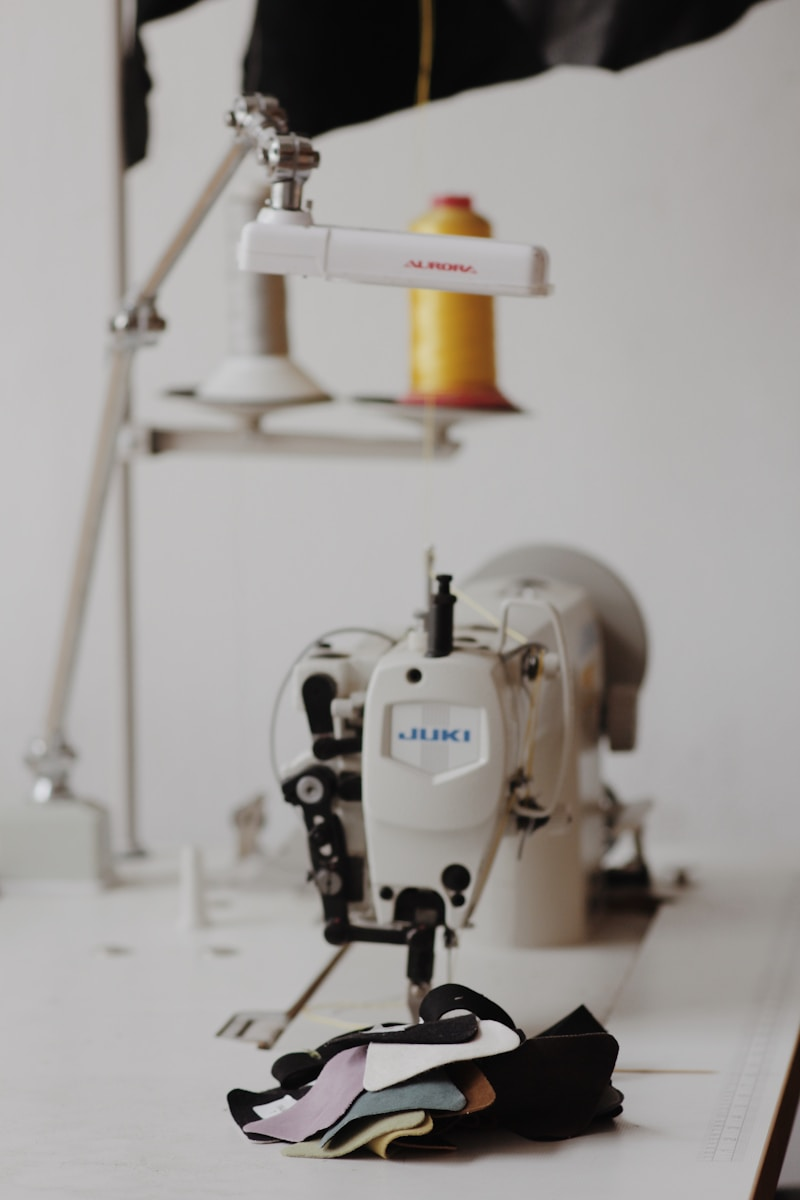
Sewing faster sounds great until you realize you have accidentally sewn the wrong sides together, skipped half the seam allowance, or created a seam ripper situation that takes longer than the actual project.
The good news? Sewing faster does not mean rushing.
In fact, the fastest sewists are usually not the ones racing through every step. They are the ones who have good systems, keep their supplies organized, and know when to slow down so they do not have to redo their work.
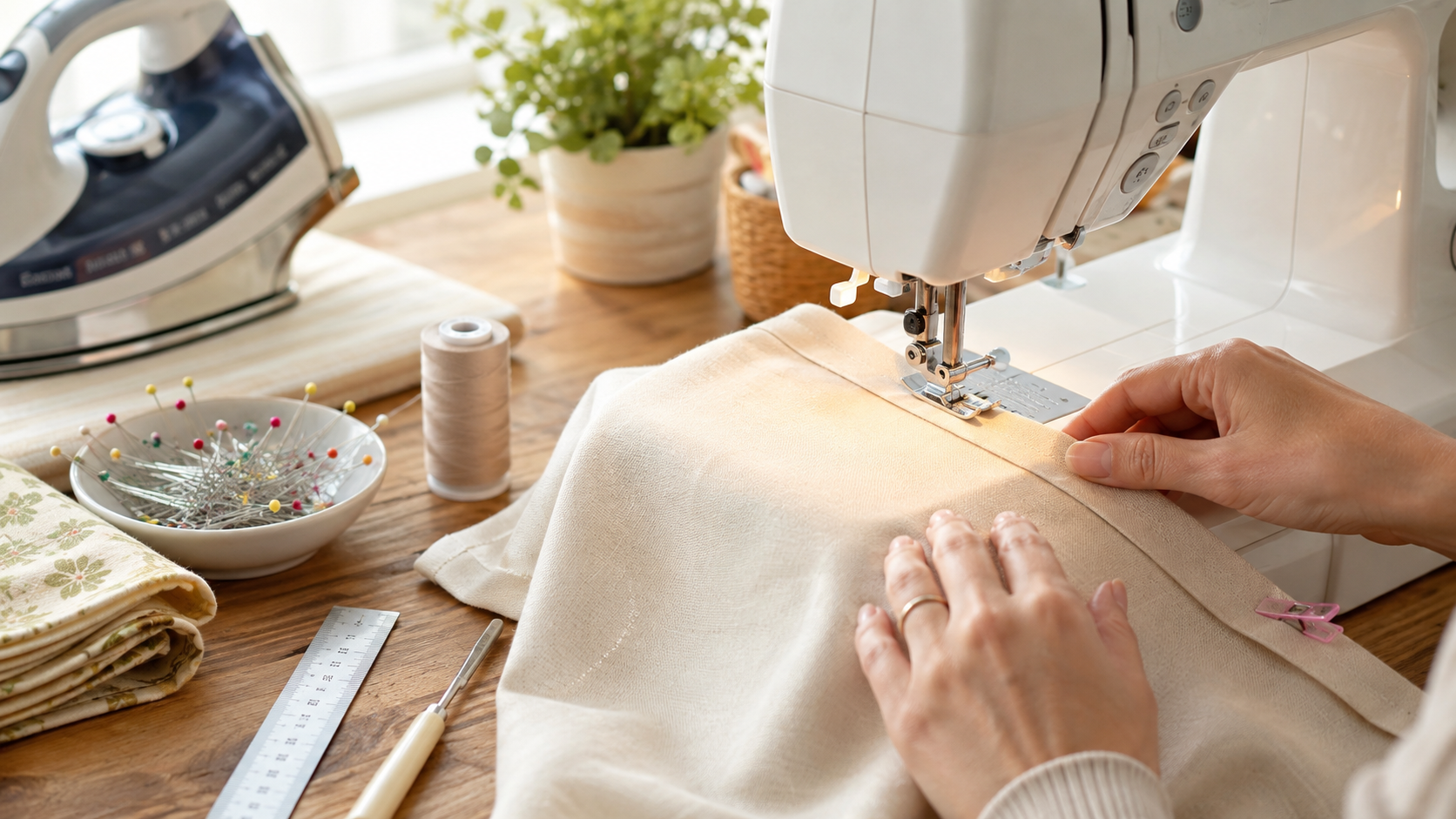
Here are practical ways to sew faster without making a mess of your project.
1. Prepare Everything Before You Start Sewing
One of the biggest time-wasters is stopping every few minutes to look for scissors, pins, thread, a bobbin, interfacing, or the pattern piece you just had.
Before you sit down at the machine, gather everything you need:
- Fabric
- Pattern pieces
- Thread
- Bobbin
- Pins or clips
- Scissors or rotary cutter
- Seam gauge
- Iron and pressing tools
- Interfacing, elastic, zippers, snaps, or buttons
This may feel like an extra step, but it actually saves time because you are not interrupting your sewing flow.
Quick tip: Keep a small tray or basket next to your machine for the tools you use most often.
2. Read Through the Instructions First
I know. It is tempting to jump right in.
But reading the instructions before sewing helps you avoid mistakes that can slow you down later. This is especially important if you are working with a new pattern, a zipper, lining, curves, or anything with multiple layers.
As you read, look for:
- Pieces that need interfacing
- Seams that need to be finished before another step
- Areas where you need to leave an opening
- Pieces that look similar but are used differently
- Steps that require pressing before sewing again
A few minutes of reading can save you from ripping out stitches later.
3. Cut Accurately the First Time
Messy cutting leads to messy sewing.
If your pieces are stretched, uneven, or slightly off-grain, you will spend more time trying to “make it work” at the machine. Accurate cutting helps your pieces line up better, which makes sewing faster and cleaner.
To cut faster and more accurately:
- Press fabric before cutting.
- Use pattern weights when possible.
- Cut on a flat surface.
- Use a sharp rotary cutter or fabric scissors.
- Keep fabric from hanging off the table.
- Mark notches and important placement points clearly.
Do not skip the markings. They are there to help you sew faster later.
4. Use Clips or Pins Strategically
You do not always need to pin every inch of a seam.
For simple straight seams, a few clips or pins may be enough. For curves, slippery fabric, thick layers, or matching seams, use more.
The trick is knowing where control matters most.
Pin or clip carefully around:
- Curves
- Corners
- Zippers
- Hems
- Necklines
- Waistbands
- Areas where seams need to match
For long straight seams, you can usually use fewer pins and guide the fabric carefully as you sew.
5. Chain Piece When You Can
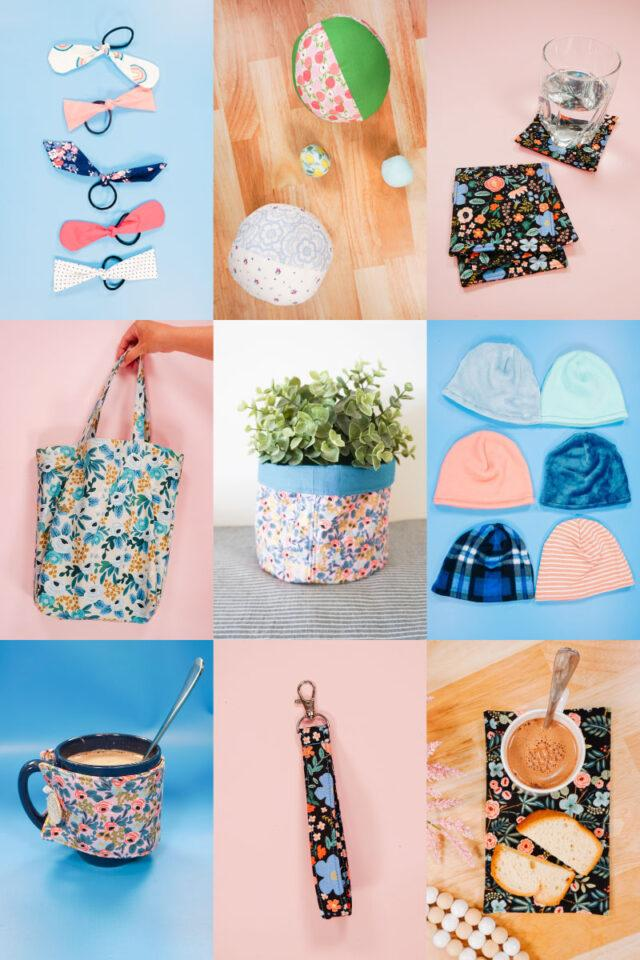
Chain piecing is a huge time-saver, especially for small projects, bags, quilts, bowl cozies, coasters, reusable items, and batch sewing.
Instead of sewing one seam, cutting the thread, and starting again, you sew several pieces one after another without cutting the thread between each one.
This saves time because you are not constantly lifting the presser foot, trimming threads, and restarting.
Chain piecing works well for:
- Quilt blocks
- Lined bags
- Reusable napkins
- Bowl cozies
- Scrunchies
- Small gift items
- Pattern testing
- Batch sewing for Etsy inventory
Once all the pieces are sewn, snip them apart and move to the next step.
6. Keep Your Seam Allowance Consistent
A consistent seam allowance makes your project come together faster because pieces actually fit the way they are supposed to.
Use a seam guide if needed. You can use:
- The markings on your sewing machine plate
- A magnetic seam guide
- Painter’s tape
- Washi tape
- A stack of sticky notes placed as a guide
This is especially helpful if you are sewing fast because your fabric has a clear path to follow.
Remember: consistent does not mean perfect. It means steady enough that your finished project looks neat and fits together correctly.
7. Press as You Go
Skipping the iron feels faster, but it usually is not.
Pressing as you sew helps seams lie flat, reduces bulk, and makes the next step easier. When seams are pressed properly, your fabric is easier to control at the machine.
Press:
- Seams after sewing
- Hems before stitching
- Corners before turning
- Interfacing before assembly
- Curves before topstitching
- Finished edges before final stitching
Think of pressing as part of sewing, not a separate chore.
8. Slow Down on the Tricky Parts
This may sound strange in a post about sewing faster, but slowing down at the right time actually makes you faster overall.
Go slower when sewing:
- Curves
- Corners
- Thick seams
- Zippers
- Topstitching
- Binding
- Slippery fabric
- Stretch fabric
- Small pieces
These are the areas where mistakes are most likely to happen. If you rush through them, you may spend twice as long fixing the problem.
Sew quickly on the easy parts. Slow down on the important parts.
That balance is what helps you finish faster.
9. Use the Right Needle and Thread
If your machine keeps skipping stitches, breaking thread, or bunching fabric, you are not going to sew faster. You are going to troubleshoot.
Using the right needle and thread for your fabric can prevent a lot of problems.
A few basic examples:
| Fabric Type | Needle to Try |
|---|---|
| Cotton | Universal needle |
| Knit fabric | Ballpoint or stretch needle |
| Denim | Denim needle |
| Fleece | Ballpoint or universal needle |
| Lightweight fabric | Smaller universal or microtex needle |
| Vinyl or faux leather | Leather or nonstick needle |
Change your needle regularly. A dull needle can cause skipped stitches, snags, and uneven seams.
10. Keep Your Machine Clean and Ready
A clean machine sews better and saves you time.
Lint, thread bits, and dust can build up around the bobbin area and cause stitching problems. If your machine suddenly starts acting strange, cleaning it is one of the first things to check.
Make it a habit to:
- Brush out lint from the bobbin area
- Change needles regularly
- Use good-quality thread
- Wind bobbins before starting
- Check tension before sewing your project
- Test stitches on scraps
A five-minute machine check can prevent a frustrating sewing session.
11. Batch Similar Tasks Together
Instead of completing one item from start to finish, try grouping similar steps.
For example, if you are sewing several small projects, you can:
- Cut all pieces.
- Apply all interfacing.
- Sew all first seams.
- Press all seams.
- Turn all pieces.
- Topstitch all pieces.
- Add all closures or finishing details.
This works especially well if you sew items to sell, make gifts, or prep multiple projects at once.
Batching keeps your brain in one type of task at a time, which helps you move faster and make fewer mistakes.
12. Create a Sewing Workflow
A simple sewing workflow can make a big difference.
Try this order:
- Prep fabric.
- Cut pieces.
- Mark pieces.
- Apply interfacing.
- Wind bobbin.
- Test stitch.
- Sew in batches.
- Press between steps.
- Trim threads.
- Finish and inspect.
When you follow the same basic routine each time, you spend less time wondering what to do next.
13. Do Not Skip the Test Stitch
Testing your stitch on a scrap piece of fabric may feel unnecessary, but it can save your project.
Before sewing your actual pieces, test:
- Stitch length
- Tension
- Thread color
- Needle choice
- Seam finish
- Topstitching
This is especially important when using thick fabric, stretch fabric, decorative stitches, or a new thread.
A quick test helps you catch problems before they end up on your project.
14. Keep a Small “Mistake Kit” Nearby
Even careful sewists make mistakes. Having the right tools nearby makes fixing them faster.
Keep these close:
- Seam ripper
- Small scissors
- Tweezers
- Thread snips
- Extra bobbins
- Extra needles
- Fabric marker
- Seam gauge
When something goes wrong, you do not have to stop and search for what you need.
15. Practice Speed on Scrap Fabric
If you want to sew faster, practice on scraps before trying to speed through an actual project.
Practice sewing:
- Straight lines
- Curves
- Corners
- Pivoting
- Topstitching
- Sewing with fewer pins
- Keeping an even seam allowance
The more comfortable you are controlling the fabric, the faster and more accurate you will become.
Final Thoughts: Fast Sewing Comes From Good Habits
Sewing faster is not about rushing. It is about removing the little things that slow you down.
When your supplies are ready, your fabric is cut accurately, your machine is working well, and your steps are organized, you naturally sew faster. The goal is not to race through a project. The goal is to sew with confidence, avoid unnecessary mistakes, and enjoy the process more.
So the next time you want to finish a project quickly, remember this:
Prep well. Sew steadily. Slow down where it matters.
That is how you sew faster without messing up.
Subscribe to our newsletter!