**Disclaimer: This post contains affiliate links, meaning I may receive a small commission at no extra cost to you if you make a purchase.
Keeping your sewing machine in top shape doesn’t require hours of work or expensive servicing. In fact, a simple daily routine can prevent most common problems—like thread bunching, skipped stitches, or that dreaded grinding sound. Whether you’re sewing for fun or running a side hustle, these quick habits will keep your machine running smoothly and extend its life.
🪡 1. Start with a Quick Dust-Out


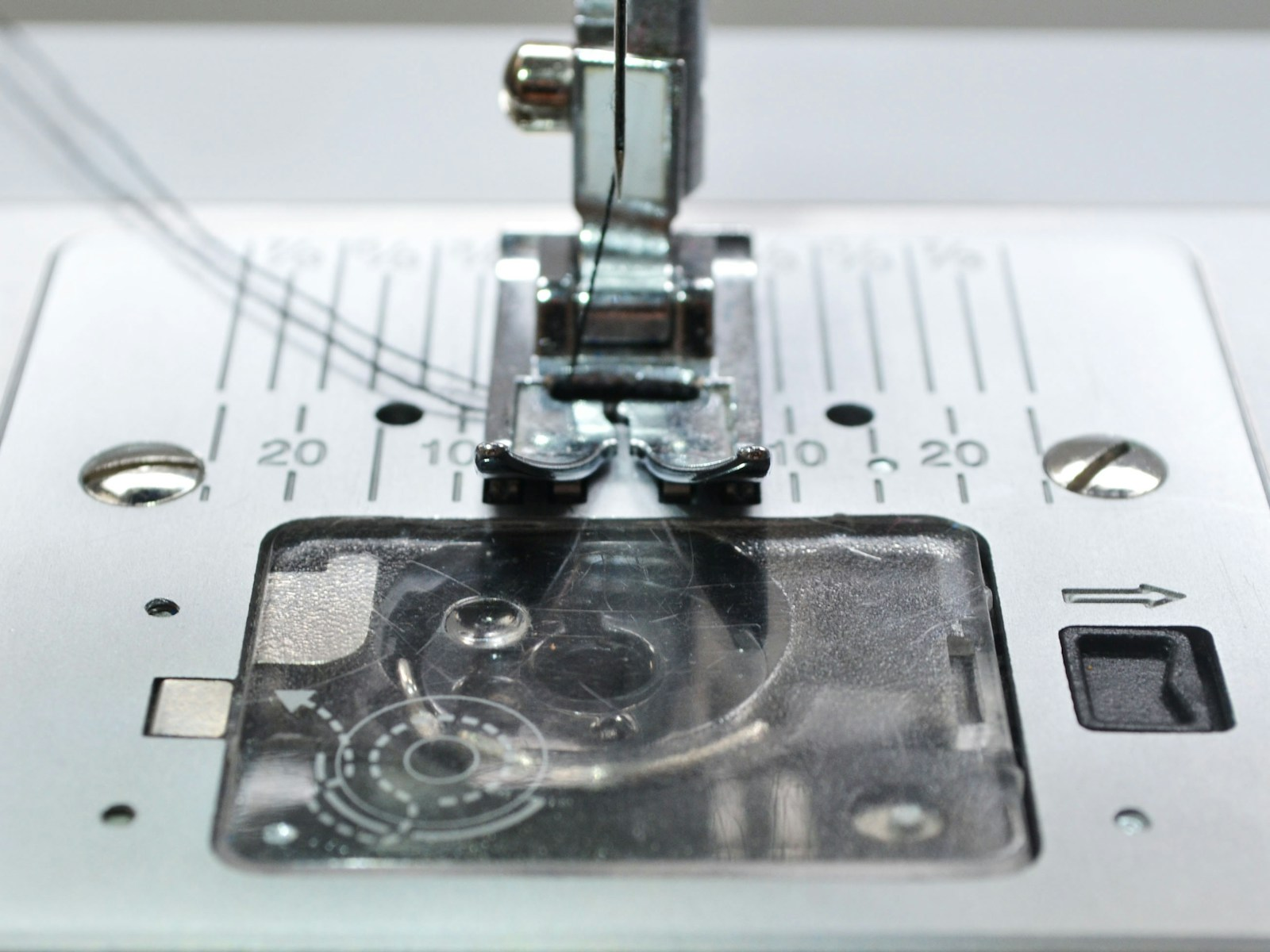
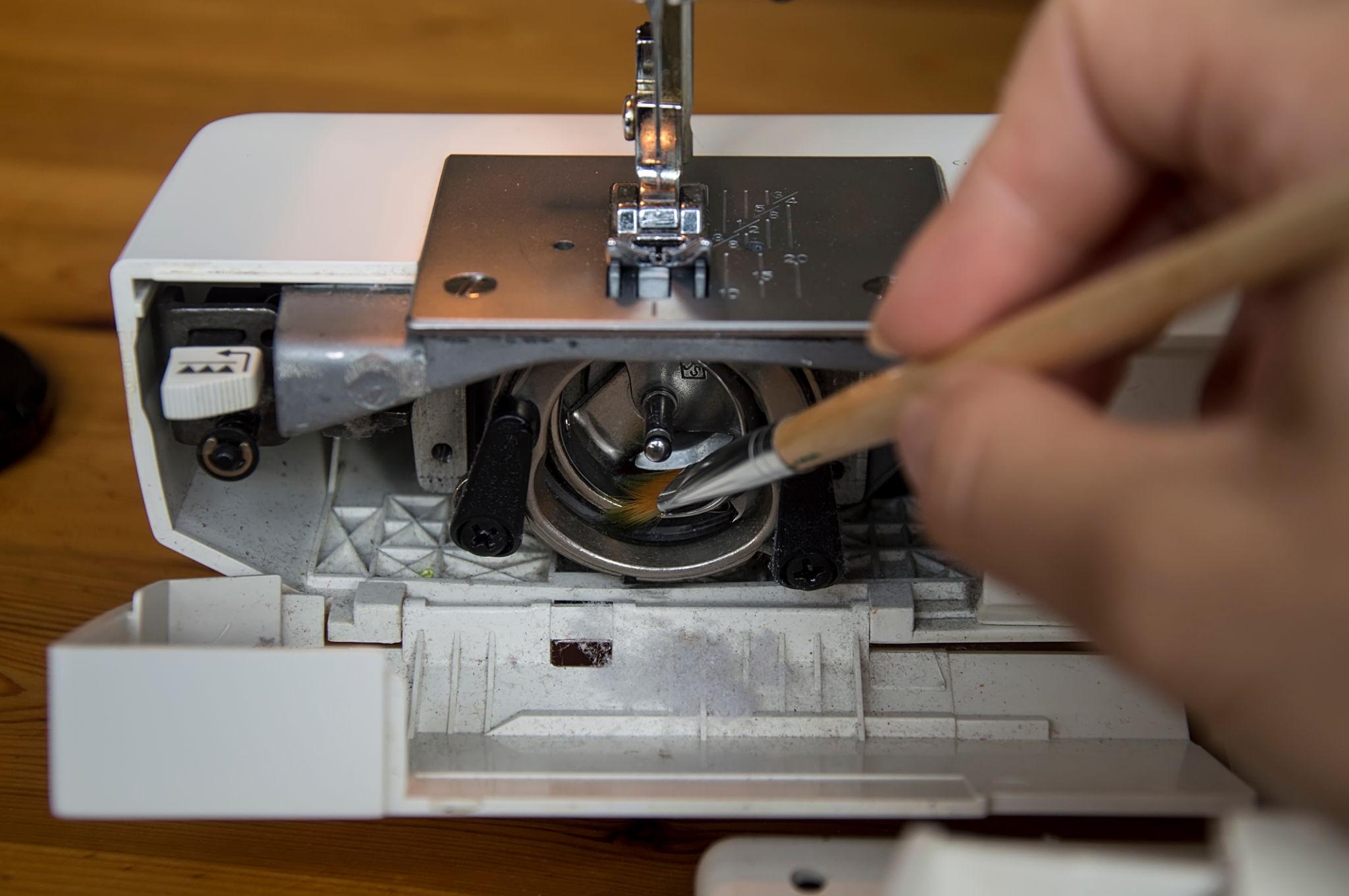
Every time you sit down to sew, take a minute to check for lint buildup—especially around the bobbin case and feed dogs. Fabric fibers and thread shed more than you think, and this buildup can interfere with your machine’s timing and tension.
Use a small brush (often included with your machine) or a clean makeup brush to gently sweep out lint. Avoid blowing into the machine—this can push debris deeper inside.
🧶 2. Change Your Needle Regularly


A dull or bent needle is one of the biggest causes of poor stitching. As a rule of thumb, change your needle after every 6–8 hours of sewing—or at the start of a new project.
Make sure the needle is inserted correctly (usually flat side facing the back), and tighten it securely. Using the right needle type for your fabric (like ballpoint for knits or denim needles for thick fabrics) also makes a huge difference.
🧵 3. Rethread Your Machine


If your stitches suddenly look messy, don’t panic—just rethread your machine. Even experienced sewists occasionally miss a thread guide.
Always raise the presser foot before threading. This opens the tension discs so the thread seats properly. Then follow your machine’s threading path step-by-step.
⚙️ 4. Check Thread Tension and Test Stitch

Before starting your project, run a few test stitches on scrap fabric. Look for balanced stitches—no loops on the top or bottom.
If something looks off, adjust the tension slightly and test again. This small step can save you from having to redo seams later.
🛢️ 5. Oil (Only If Your Machine Needs It)


Some machines require occasional oiling, while many modern ones are self-lubricating. Check your manual before adding oil.
If oiling is needed, use only sewing machine oil and apply a tiny drop to the recommended spots—usually around the bobbin hook. Wipe away any excess to avoid staining your fabric.
✨ Final Thoughts
Daily sewing machine maintenance doesn’t have to be complicated. A quick clean, fresh needle, proper threading, and a test stitch can prevent most issues before they start.
Think of it like brushing your teeth—it’s a small daily habit that saves you from bigger problems later. And when your machine runs smoothly, sewing becomes faster, easier, and a lot more enjoyable.
Subscribe to our newsletter!