Sewing is often thought of as a hands-on business. You make an item, sell the item, and then start all over again. While handmade sewing can absolutely be profitable, it can also become exhausting if every dollar you earn requires you to sit at your machine for hours.
That is where passive income comes in.
Passive income from sewing does not mean you never work. It means you create something once and continue earning from it over time. Instead of sewing the same item again and again, you build products, resources, or content that can sell repeatedly.
If you love sewing but want more flexibility, passive income can help you turn your skills into a business that does not depend completely on custom orders, craft fairs, or constant production.
What Is Passive Income in Sewing?
Passive income is income that continues after the initial work is done. In the sewing world, this usually means creating digital products, patterns, tutorials, or content that customers can purchase or use again and again.
For example, sewing a tote bag and selling it once is active income. Creating a tote bag sewing pattern that sells hundreds of times is passive income.
Of course, passive income still requires work upfront. You have to create the product, write the instructions, take photos, list it, promote it, and update it when needed. But once the product is finished, it can continue earning without you having to remake the same physical item each time.
Why Sewing Is Perfect for Passive Income
Sewing is a great skill to turn into passive income because people are always looking for beginner-friendly projects, printable patterns, tutorials, and helpful resources.
Many people want to sew, but they need guidance. They may not know where to start, what supplies to buy, how to cut fabric correctly, or how to finish a project neatly. If you can explain those steps clearly, you can create products that help them.
Sewing also works well for passive income because one project can become several different income streams. A simple sewing project could become:
- A printable PDF pattern
- A step-by-step blog tutorial
- A YouTube video
- A Pinterest pin
- A sewing planner page
- A paid mini-course
- A bundle of related patterns
That means one idea can be used in multiple ways.
1. Sell Printable Sewing Patterns
One of the best ways to create passive income from sewing is by selling printable sewing patterns.
A sewing pattern can be created once and sold over and over again as a digital download. Customers purchase the PDF, download it instantly, print it at home, and make the project themselves.
Good beginner-friendly sewing pattern ideas include:
- Bowl cozies
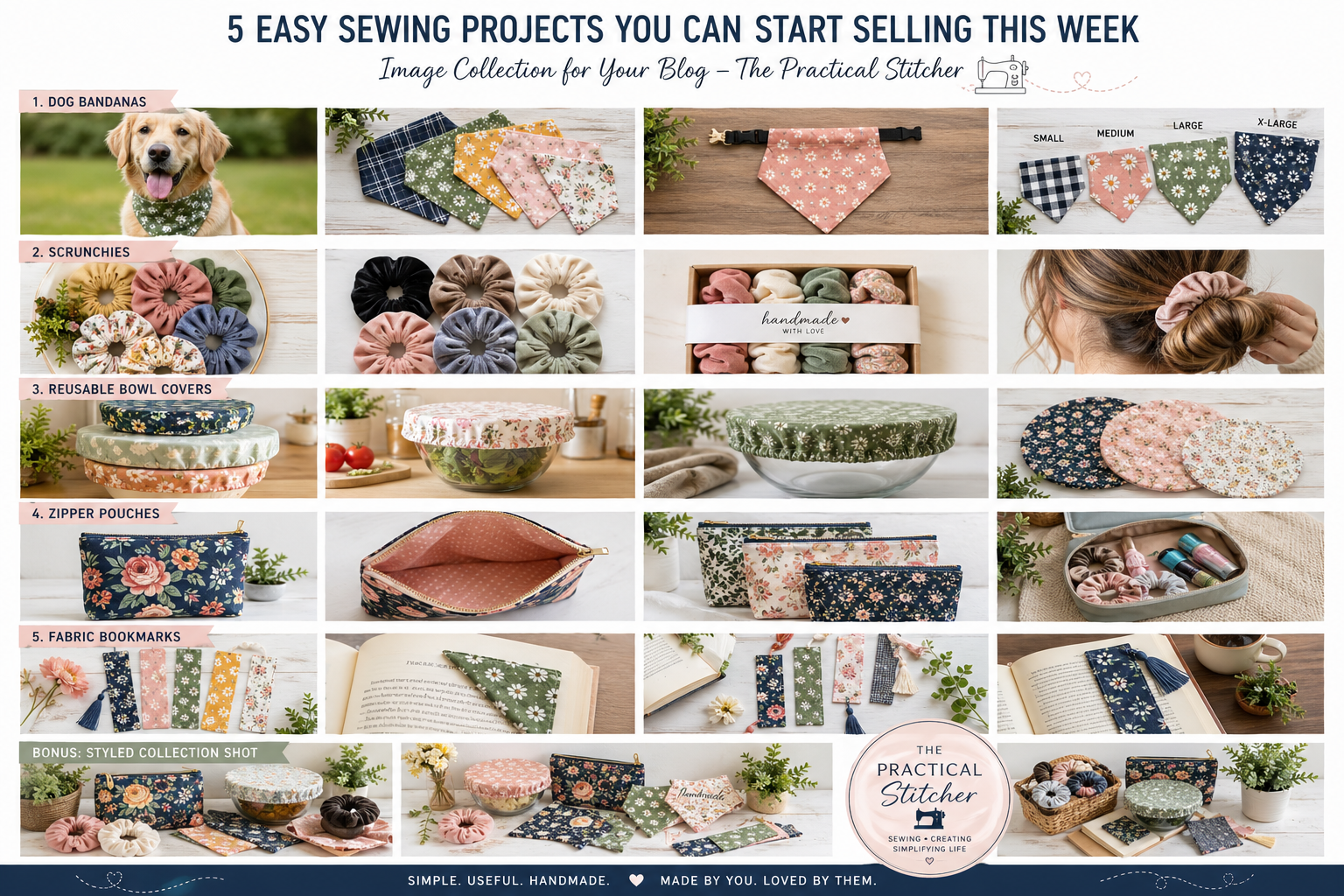
- Dog bandanas
- Reusable snack bags
- Fabric bookmarks
- Zipper pouches
- Chapstick holders
- Sunglasses cases
- Small wallets
- Tote bags
- Tissue box covers
- Aprons
- Tool belts
- Fabric baskets
The key is to make the pattern clear and easy to follow. Many buyers are beginners, so they appreciate simple instructions, supply lists, cutting charts, and line drawings.
A good sewing pattern should include:
- Finished size
- Materials needed
- Cutting instructions
- Step-by-step sewing directions
- Photos or line drawings
- Printing instructions
- Pattern pieces, if needed
- Tips for beginners
- Permission terms for personal or small business use
Printable patterns are popular because they solve a problem for the customer. They do not have to figure out measurements or construction on their own. You have already done the hard part for them.
2. Create Sewing Printables and Planners
Not every sewing product has to be a pattern. Many sewists also need help organizing their projects, supplies, and business tasks.
Printable sewing planners can become a great passive income product because they are useful, easy to download, and simple for customers to print at home.
Sewing printable ideas include:
- Sewing project planners
- Fabric stash trackers
- Pattern inventory sheets
- Sewing machine maintenance checklists
- Custom order trackers
- Craft fair inventory planners
- Handmade pricing worksheets
- Profit trackers
- Sewing goal planners
- Project idea lists
- Measurement charts
- Needle and fabric guides
These products work especially well because they appeal to sewists who want to feel more organized. They may already have fabric, patterns, and unfinished projects, but they need a system to keep track of everything.
A sewing planner can be sold by itself or bundled with other printables. Bundles often feel like a better value to customers and can increase your average order amount.
3. Turn Your Sewing Knowledge into E-Books
If you enjoy teaching, an e-book can be another way to create passive income from sewing.
An e-book does not have to be long or complicated. It can focus on one specific topic and help the reader solve one clear problem.
Possible sewing e-book ideas include:
- Beginner’s Guide to Sewing from Home
- How to Start a Sewing Side Hustle
- How to Price Handmade Sewing Projects
- 25 Scrap Fabric Projects to Make and Sell
- How to Prepare for Your First Craft Fair
- Sewing Machine Basics for Beginners
- How to Make Your Sewing Look More Professional
The best e-books are practical. They give readers clear steps, examples, checklists, and encouragement. You do not need to know everything about sewing to write an e-book. You only need to know enough to help someone a few steps behind you.
4. Start a Sewing Blog
A sewing blog can become a long-term passive income stream. It usually takes time to grow, but it can support several types of income.
A sewing blog can make money through:
- Ads
- Affiliate links
- Digital product sales
- Email list promotions
- Sponsored posts
- Pattern sales
- Printable downloads
Blogging works especially well when you write helpful posts that answer questions people are already searching for.
Sewing blog post ideas include:
- Best Beginner Sewing Projects
- How to Sew Straight Lines
- How to Read a Sewing Pattern
- Easy Gifts You Can Sew in a Weekend
- Scrap Fabric Projects That Make Money
- How to Price Handmade Items
- Best Fabrics for Dog Bandanas
- Sewing Tools Beginners Actually Need
- How to Wash Handmade Bags and Accessories
- Sewing Mistakes Beginners Make
Your blog can also lead readers to your products. For example, a blog post about beginner sewing projects could link to your printable sewing patterns. A post about organizing fabric could link to your fabric stash tracker.
The blog builds trust, and the product gives readers the next step.
5. Use Affiliate Marketing for Sewing Supplies
Affiliate marketing means you recommend products and earn a small commission when someone buys through your link.
For sewing, this could include recommending:
- Sewing machines
- Fabric scissors
- Rotary cutters
- Cutting mats
- Sewing clips
- Thread
- Needles
- Interfacing
- Rulers
- Storage bins
- Pattern paper
- Heat erasable pens
Affiliate marketing works best when the recommendations are honest and helpful. Instead of simply listing products, explain why you use them, who they are best for, and what beginners should know before buying.
For example, you could write a blog post called “Essential Sewing Tools Beginners Actually Need” and include affiliate links to the tools you truly recommend.
Affiliate income may start small, but it can grow as your blog, Pinterest account, or email list grows.
6. Create Video Tutorials
Video tutorials can also support passive income. Many people learn sewing better by watching each step instead of only reading instructions.
You can use video tutorials to:
- Grow a YouTube channel
- Promote your sewing patterns
- Build trust with your audience
- Send traffic to your blog
- Recommend affiliate products
- Create paid classes later
You do not need a fancy studio to start. A simple overhead view of your sewing table can work well. Focus on clear lighting, steady camera placement, and easy-to-follow steps.
Good video topics include:
- How to make a bowl cozy
- How to sew a zipper pouch
- How to sew boxed corners
- How to use a rotary cutter
- How to topstitch neatly
- How to sew a reusable snack bag
- How to make a dog bandana
- How to add snaps to fabric projects
A video can also make your PDF pattern more valuable. You can include a link to the tutorial inside the pattern so buyers feel more supported.
7. Sell SVGs, Labels, and Sewing Room Designs
If you enjoy designing, you can create digital files for sewists and crafters.
Possible digital design products include:
- Sewing-themed SVG files
- Handmade product care cards
- Printable product labels
- Sewing room wall art
- Craft fair price tags
- Thank-you cards for handmade sellers
- Packaging inserts
- Quilt labels
- Handmade with love tags
These are digital products that can be sold repeatedly. They are especially useful for handmade sellers who need attractive packaging and branding materials but do not want to design everything from scratch.
8. Bundle Your Products
Bundles are a powerful way to increase passive income because they give customers more value while helping you earn more per sale.
For example, instead of selling one sewing planner page, you could bundle several together:
Sewing Business Planner Bundle
- Custom order tracker
- Fabric stash tracker
- Pattern inventory sheet
- Pricing worksheet
- Profit tracker
- Craft fair inventory page
- Monthly goal planner
You can also bundle sewing patterns by theme:
Beginner Sewing Pattern Bundle
- Bowl cozy pattern
- Fabric bookmark pattern
- Reusable snack bag pattern
- Chapstick holder pattern
- Sunglasses case pattern
Bundles work well because customers like convenience. They would rather buy a complete set than search for each item separately.
9. Use Etsy for Digital Sewing Products
Etsy can be a great place to sell passive income sewing products because customers are already searching for patterns, printables, and handmade business tools.
Digital products on Etsy can include:
- Sewing patterns
- Sewing planners
- Craft fair trackers
- Handmade pricing worksheets
- Sewing business templates
- Printable labels
- Care cards
- Sewing room decor
When creating Etsy listings, focus on clear titles, strong keywords, helpful photos, and detailed descriptions. Since customers cannot physically hold a digital product, your listing photos need to show exactly what they are getting.
Helpful Etsy listing images include:
- Cover image
- Pages included
- Close-up of instructions
- Example finished project
- Supplies needed
- Printing information
- “What’s included” graphic
- Mockup of the PDF pages
The more clearly you explain the product, the more confident buyers will feel.
10. Build an Email List
An email list helps you build a stronger passive income system because you are not relying only on social media or Etsy traffic.
You can offer a freebie to encourage people to sign up, such as:
- Free sewing project planner
- Free fabric stash tracker
- Free beginner sewing checklist
- Free scrap fabric project list
- Free printable sewing labels
- Free mini pattern
Once people join your list, you can send them helpful sewing tips, blog posts, new pattern releases, and product promotions.
Your email list gives you a way to stay connected with people who are already interested in sewing. Over time, this can lead to more consistent sales.
11. Repurpose One Sewing Project into Multiple Products
One of the smartest ways to build passive income is to reuse your work in different formats.
For example, let’s say you create a reusable snack bag pattern. That one project could become:
- A PDF sewing pattern
- A blog tutorial
- A YouTube video
- A Pinterest pin
- An Etsy listing
- A printable care card
- A lunchbox sewing pattern bundle
- An email freebie
- A short social media tutorial
- A paid beginner sewing class
This keeps you from constantly starting over with brand-new ideas. Instead, you make each project work harder for your business.
Tips for Making Passive Sewing Income Work
Passive income is easier to build when you are strategic. Instead of creating random products, think about what your audience needs most.
Here are a few tips:
Start with simple projects
Beginner-friendly products are often easier to sell because they appeal to a wider audience. A clear, simple pattern can be more profitable than a complicated one that only advanced sewists understand.
Create products that solve problems
The best digital products help people save time, get organized, learn a skill, or feel more confident.
Make your instructions very clear
Confused customers are less likely to buy again. Use simple wording, photos, diagrams, and helpful tips.
Use strong mockups
Your product photos matter. Show the finished item, the printable pages, and how the customer can use the product.
Promote consistently
Passive income does not mean you create a product and never mention it again. Use Pinterest, blog posts, email, Etsy SEO, and social media to keep bringing people to your products.
Update products when needed
Sometimes a pattern, printable, or listing needs improvement. Updating your products can lead to better reviews and more sales.
Passive Income Takes Time, But It Can Grow
Turning sewing into passive income is not instant. It takes time to create products, build traffic, and learn what customers want.
But the benefit is worth it.
Instead of only earning when you are physically sewing, you can create products that continue to sell while you work on something else. A printable pattern, sewing planner, blog post, or tutorial can keep helping people long after you first created it.
The best place to start is with one simple product.
Choose a sewing project you already know well. Turn it into a clear PDF pattern, create a few photos or mockups, write a helpful description, and list it for sale. Then use that same project to create a blog post, Pinterest pins, and an email freebie.
You do not need dozens of products to begin. You need one useful product that solves a real problem.
Over time, those small products can build into a steady income stream that supports your sewing business without requiring you to sew every single item by hand.
Final Thoughts
Sewing can be more than a handmade business. It can become a source of digital products, tutorials, patterns, printables, affiliate income, and long-term content.
If you love sewing but want more freedom, passive income is a smart way to use your skills. Start small, keep your products helpful, and build one income stream at a time.
Your sewing knowledge is valuable. The more you package it in ways that help others, the more opportunities you create for your business to grow.
Subscribe to our newsletter!