
A Realistic Plan for Turning Sewing Skills Into Income
Starting a sewing business in 2026 looks very different than it did even five years ago. The good news? It’s actually easier than ever for regular people to turn practical sewing skills into real income from home.
You no longer need a storefront, a giant inventory, or years of business experience to start making money sewing. What you do need is a clear plan, realistic expectations, and a willingness to start small.
If I were starting over from scratch in 2026 with a sewing machine, basic skills, and less than $100 to invest, this is exactly how I would do it step-by-step.
Step 1: Choose ONE Profitable Sewing Niche
One of the biggest mistakes beginners make is trying to sew everything for everyone.
In 2026, successful small sewing businesses are usually focused businesses.
Instead of selling:
- Quilts
- Clothing
- Bags
- Baby items
- Dog accessories
- Home decor
- Alterations
- Embroidery
…all at once, I would start with ONE category.
Why?
Because focused shops:
- Look more professional
- Grow faster on Etsy and Pinterest
- Build repeat customers
- Make content creation easier
- Simplify inventory and supplies
- Reduce overwhelm
Niches I Would Consider in 2026
Here are some sewing niches that still have strong demand:
Pet Accessories
Pet owners spend money year-round.
Examples:
- Dog bandanas
- Personalized collars
- Treat pouches
- Bow ties
- Car seat covers
- Snuffle mats
Dog bandanas are especially beginner-friendly because they:
- Use small amounts of fabric
- Sew quickly
- Photograph well
- Sell year-round
- Work great for seasonal launches
Practical Home Items
People love useful handmade products.
Examples:
- Bowl cozies
- Reusable paper towels
- Zipper pouches
- Microwave potato bags
- Fabric baskets
- Mug rugs
Teacher and School Items
This is an underrated niche.
Examples:
- Lanyards
- Pencil pouches
- Book sleeves
- Tote bags
- Classroom decor
- Teacher gifts
Beginner-Friendly Clothing Accessories
Examples:
- Scrunchies
- Aprons
- Headbands
- Tote bags
- Fabric belts
Step 2: Start With What You Already Have
If I were starting a sewing business in 2026, I would NOT spend thousands of dollars upfront.
Too many people buy:
- Expensive machines
- Fancy cutting tables
- Huge fabric collections
- Bulk packaging supplies
- Professional lighting
- Embroidery machines
…before they’ve made a single sale.
That’s backwards.
Your first goal is proof of concept.
You want to answer this question:
“Will strangers actually pay money for what I make?”
You do not need a perfect setup to answer that.
What I Would Start With
Sewing Machine
Use the machine you already own.
A basic reliable machine is enough.
Fabric
Use:
- Fabric stash leftovers
- Fat quarters
- Clearance fabric
- Thrifted fabric
- Old cotton sheets
Workspace
Use:
- Kitchen table
- Dining room
- Corner desk
- Fold-out table
Packaging
Start simple.
You can use:
- Kraft envelopes
- Clear poly bags
- Tissue paper
- Thank-you cards printed at home
Professional branding can come later.
Step 3: Learn What Actually Sells
In 2026, guessing is expensive.
Research is free.
Before making inventory, I would spend several days researching:
- Etsy
- TikTok
- Amazon Handmade
What I Would Look For
High Search Volume
Are people searching for this item?
Multiple Sellers
Competition is actually a good sign.
It means customers already exist.
Repeatable Products
I would avoid one-of-a-kind custom projects at first.
Instead, I’d choose products I can make repeatedly.
Good Profit Margins
If an item sells for $12 but costs $10 in supplies and shipping, that’s not a good business.
I’d look for products with:
- Low material cost
- Fast sewing time
- Lightweight shipping
- Simple packaging
Step 4: Pick 3 Starter Products
Instead of launching with 25 products, I would launch with three.
That’s it.
This keeps startup costs low and allows you to learn what customers actually want.
Example Starter Product Line
If I chose pet accessories:
Product 1
Classic dog bandanas
Product 2
Seasonal dog bandanas
Product 3
Matching owner scrunchies
This creates a small collection without overwhelming yourself.
Step 5: Create a Simple Brand
You do not need a giant business plan.
But you do need a recognizable brand.
In 2026, branding matters because buyers are overwhelmed with choices.
What Makes a Good Handmade Brand?
A strong handmade brand feels:
- Consistent
- Friendly
- Trustworthy
- Easy to recognize
Brand Basics I Would Create
Business Name
Choose something:
- Easy to spell
- Easy to remember
- Related to sewing or handmade life
Logo
A simple logo is enough.
Brand Colors
Pick 2–3 colors and use them consistently.
Brand Voice
Decide how you want customers to feel.
Examples:
- Cozy
- Practical
- Modern
- Vintage
- Whimsical
- Farmhouse
The Practical Stitcher is a great example of a practical, approachable handmade brand.
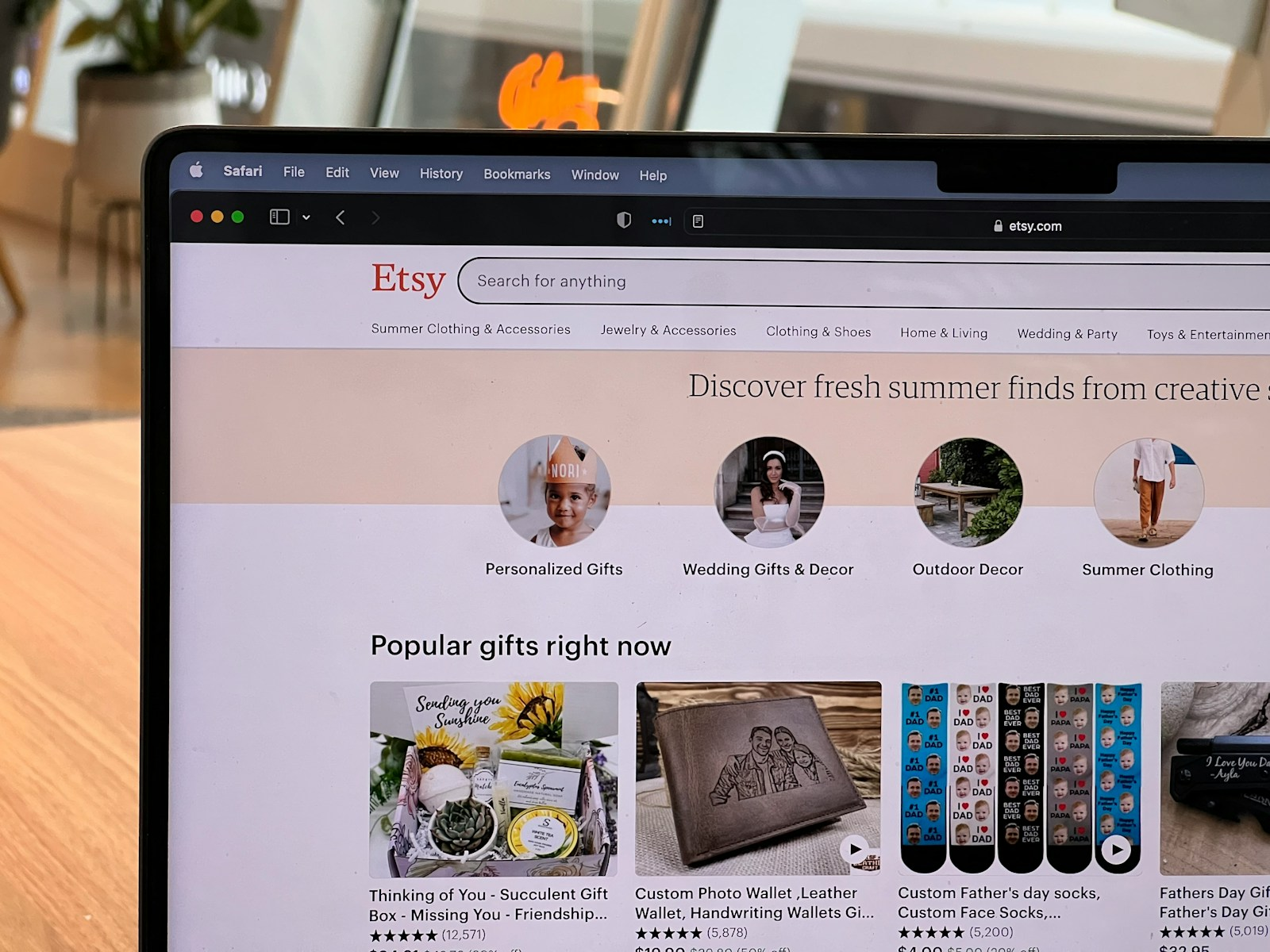
Step 6: Open an Etsy Shop First
If I were starting from zero in 2026, I would start on Etsy before building my own website.
Why?
Because Etsy already has buyers.
Your own website does not.
Why Etsy Is Still Worth It
Despite the complaints online, Etsy still works well for:
- Beginners
- Handmade sellers
- Niche products
- Seasonal items
- Personalized gifts
What Matters Most on Etsy
Good Photos
Photos matter more than almost anything else.
Strong Titles
Use searchable phrases.
Example:
Instead of:
Cute Dog Bandana
Use:
Reversible Dog Bandana for Large Dogs | Washable Pet Scarf | Snap-On Dog Bandana
Keywords
Use all your Etsy tags.
Fast Shipping
Fast processing times help shops grow.
Great Customer Service
Reply quickly and professionally.
Step 7: Learn Product Photography
You do NOT need a fancy camera.
Most successful Etsy shops use phones.
What matters is:
- Good lighting
- Clean backgrounds
- Clear images
- Consistent style
My Beginner Photography Setup
Natural Light
Photograph near a window.
Foam Board Backgrounds
Cheap and effective.
Simple Props
Don’t overcomplicate photos.
Lifestyle Images
Show products being used.
Dog bandanas look better on actual dogs.
Tote bags look better carried by someone.
Step 8: Price for Profit
Many new sewing businesses fail because they underprice.
They charge hobby prices instead of business prices.
My Basic Pricing Formula
I would calculate:
Materials
Fabric, thread, labels, packaging.
Labor
Pay yourself hourly.
Fees
Etsy fees, payment processing, shipping labels.
Profit
You need actual profit left over.
Example
Dog bandana:
- Materials: $2.50
- Labor: $6
- Fees: $1.50
- Profit: $5
Selling price:
$15–18
If customers won’t pay profitable prices, I would choose a different product.
Step 9: Use Pinterest as Free Marketing
If I were starting a sewing business in 2026, Pinterest would be my main marketing platform.
Why?
Because Pinterest users are actively searching for:
- Sewing ideas
- Handmade gifts
- Pet accessories
- DIY projects
- Home decor
Pinterest works more like a search engine than social media.
What I Would Post
Product Photos
Tutorials
Sewing Tips
Seasonal Ideas
Behind-the-Scenes Content
Why Blogging Helps
A sewing blog helps bring traffic from Google and Pinterest.
Even simple posts like:
- “Best Fabrics for Dog Bandanas”
- “5 Easy Sewing Gifts to Sell”
- “How to Sew Straight Lines”
…can bring customers for years.
Step 10: Build an Email List Early
Most beginners ignore email lists.
That’s a mistake.
Social media platforms change constantly.
An email list belongs to you.
What I Would Offer
A free printable:
- Sewing checklist
- Beginner sewing guide
- Dog bandana pattern
- Fabric planner
- Project tracker
This helps grow an audience even before large sales happen.
Step 11: Create Repeat Customers
The easiest customer to sell to is someone who already bought from you.
How I Would Encourage Repeat Sales
Excellent Packaging
Simple but thoughtful.
Thank-You Notes
Handwritten if possible.
Seasonal Collections
Release new fabrics regularly.
Email Marketing
Announce launches and discounts.
Great Quality
Quality builds trust.
Step 12: Stay Small Long Enough to Learn
One of the biggest mistakes in handmade business culture is scaling too fast.
You do not need:
- A warehouse
- Employees
- Thousands of followers
- Viral videos
…to build a profitable sewing business.
Small businesses can make meaningful income.
What I Would Focus On Instead
Consistency
Product Quality
Customer Experience
Searchable Content
Repeatable Systems
Step 13: Add Digital Products Later
Once physical products are stable, I would add digital products.
Digital products help create income without sewing every single item.
Sewing Digital Products That Sell
Printable Patterns
Project Planners
Sewing Checklists
SVG Files
Sewing Journals
Printable Templates
This works especially well alongside a sewing blog.
Step 14: Track Your Numbers
You cannot improve what you don’t measure.
What I Would Track Monthly
Revenue
Expenses
Best-Selling Products
Conversion Rate
Traffic Sources
Profit Margins
This helps you make smart decisions.
Step 15: Don’t Wait Until You Feel Ready
Most successful handmade sellers did not start as experts.
They started before they felt ready.
They learned by:
- Posting imperfect listings
- Improving photos
- Making mistakes
- Listening to customers
- Practicing consistently
The biggest difference between people who succeed and people who stay stuck is usually action.
A Simple 30-Day Sewing Business Plan
Week 1
- Choose a niche
- Research competitors
- Select 3 products
- Gather supplies
Week 2
- Make sample products
- Practice photography
- Create branding
- Open Etsy shop
Week 3
- List products
- Create Pinterest pins
- Start posting content
- Ask friends for feedback
Week 4
- Improve listings
- Analyze traffic
- Create more inventory
- Build an email freebie
Realistic Expectations for 2026
Your sewing business probably will not replace a full-time income overnight.
And that’s okay.
The goal in the beginning is momentum.
Small consistent growth matters more than overnight success.
What Success Might Look Like
Month 1
First sale.
Month 3
Regular orders.
Month 6
Growing audience.
Month 12
Reliable side income.
Beyond
Potential full-time income streams from:
- Etsy
- Blogging
- Pinterest traffic
- Digital products
- Affiliate marketing
- Printable patterns
Final Thoughts
If I were starting a sewing business in 2026, I would focus on simplicity.
I would:
- Start small
- Keep costs low
- Choose practical products
- Learn basic marketing
- Build searchable content
- Improve consistently
Most importantly, I would stop waiting for perfect.
The sewing businesses that grow are usually built by people who simply keep going.
A sewing machine, a practical idea, and a willingness to learn can still create real opportunities in 2026.
And honestly? There has never been a better time for creative people to build something of their own from home.
Looking for more business ideas or sewing tutorials? Subscribe to our newsletter!