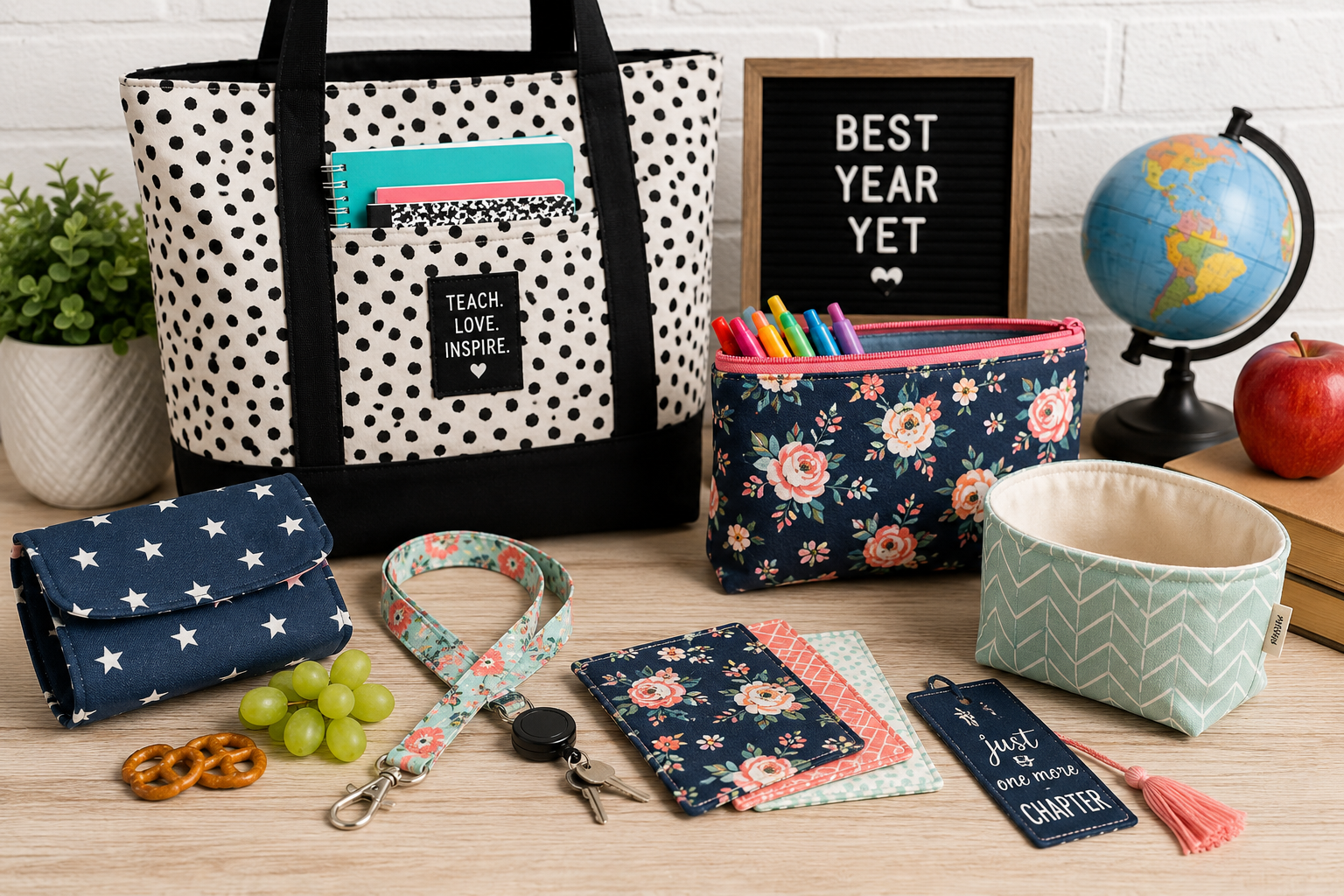
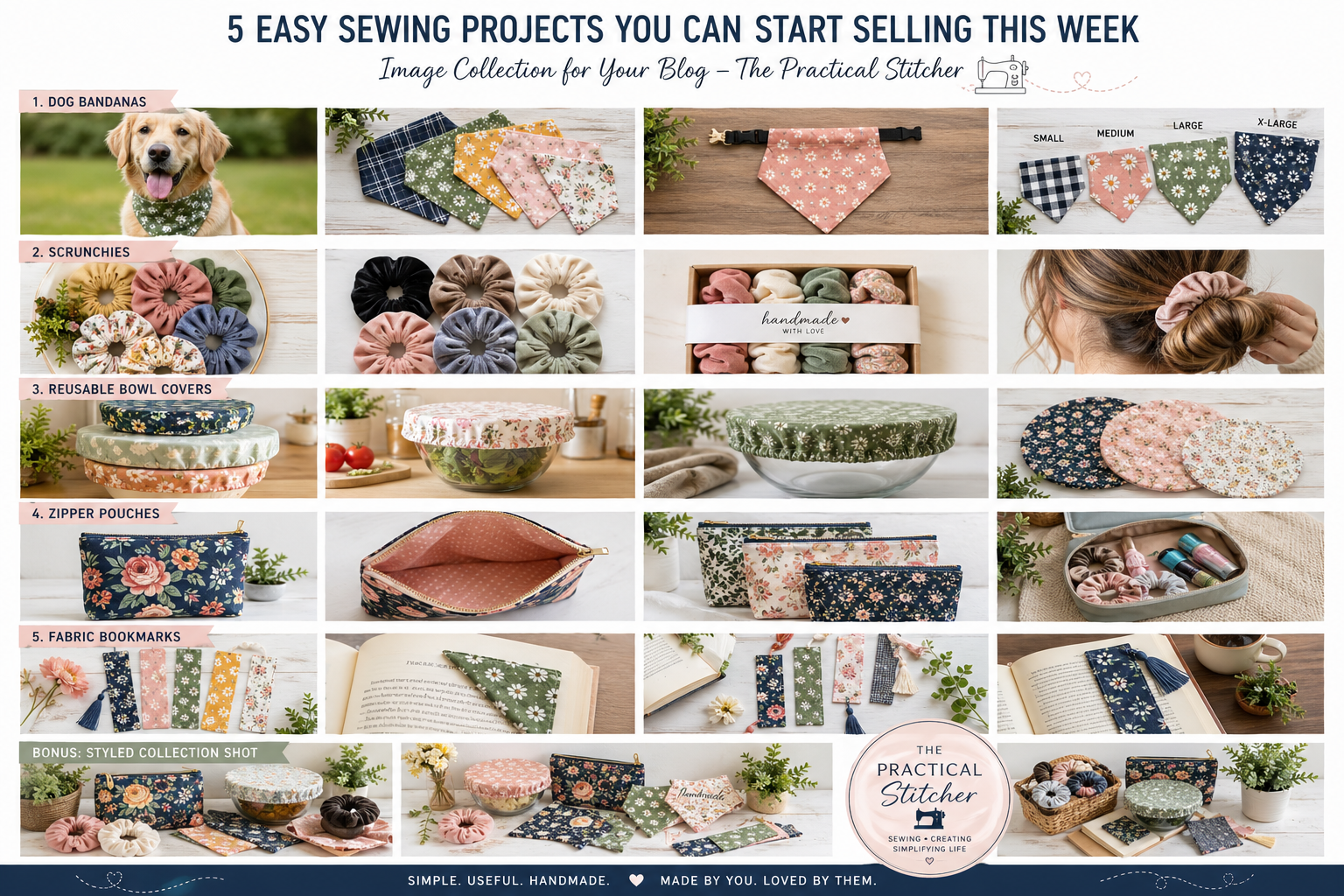
If you’ve been thinking about turning your sewing skills into extra income, here’s the truth: you don’t need complicated patterns, expensive equipment, or months of preparation to get started. In fact, some of the best-selling handmade items are simple, practical, and quick to produce.
Whether you’re working from your kitchen table or a dedicated sewing room, these five beginner-friendly projects can be made quickly and sold almost immediately—online or locally. Even better, most of them can be started with fabric you already have on hand.
Let’s dive into five easy sewing projects you can start making and selling this week.
1. Dog Bandanas
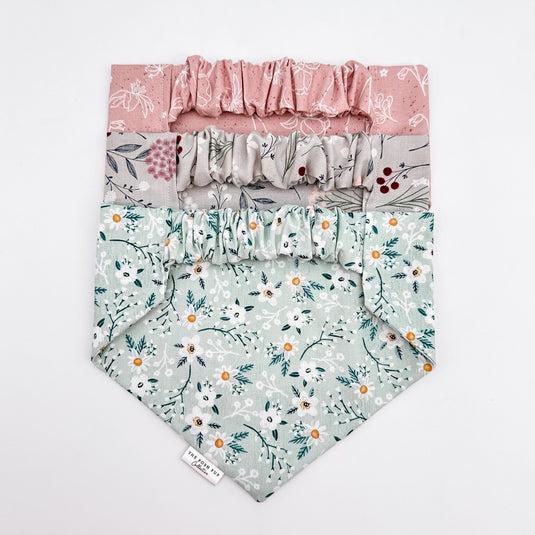
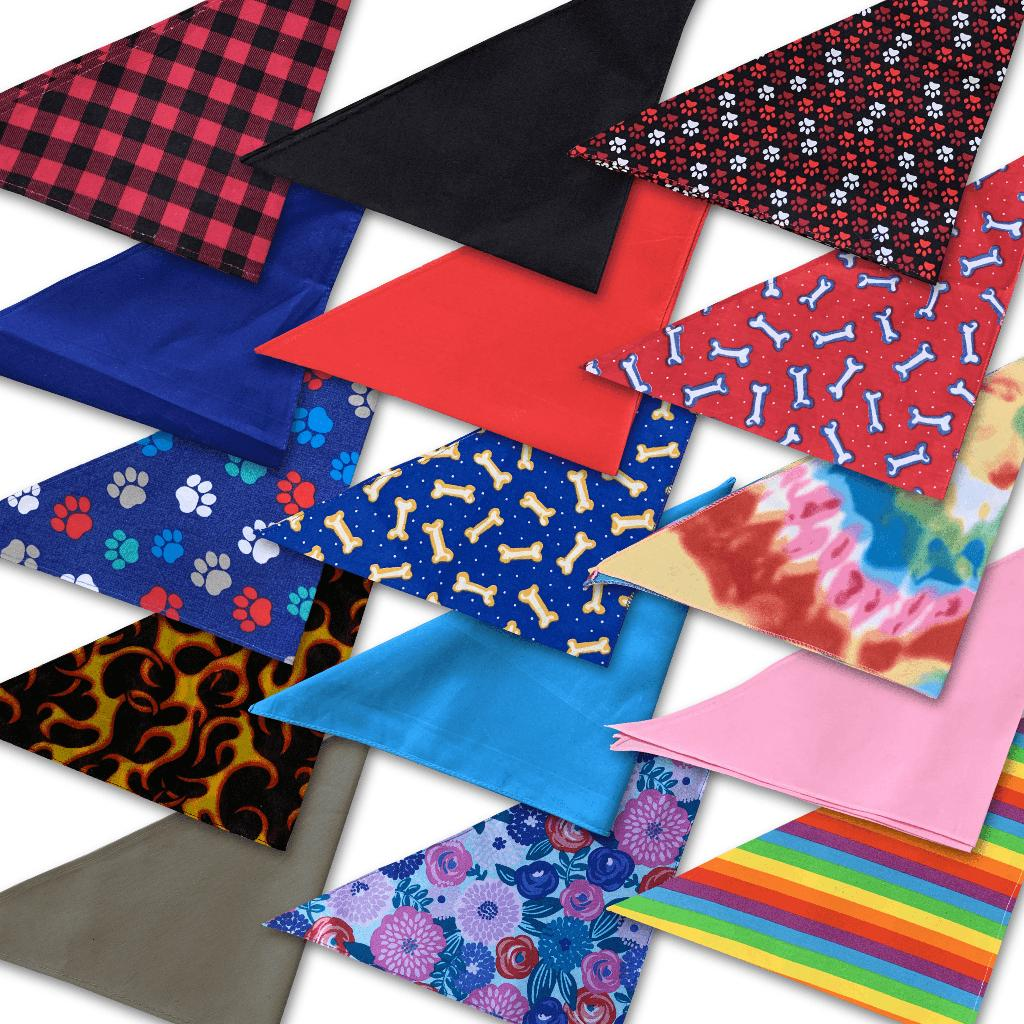
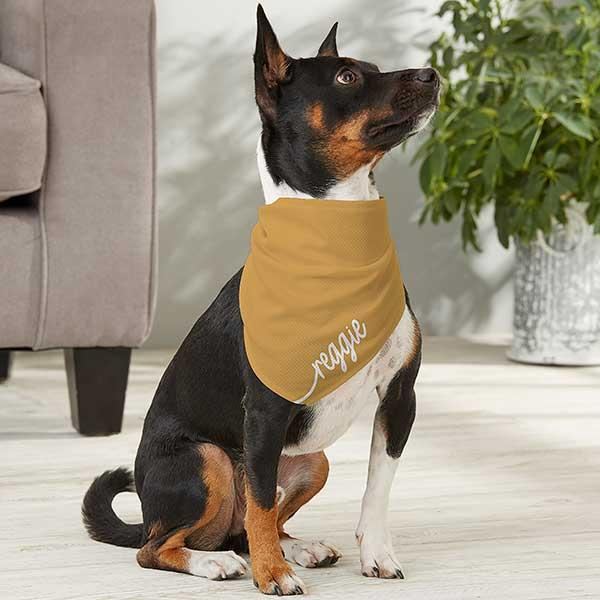
Dog bandanas are one of the easiest and fastest items to sew—and they sell incredibly well. Pet owners love stylish accessories for their dogs, especially when they’re seasonal or personalized.
Why They Sell
People treat their pets like family. That means they’re willing to spend money on cute, affordable items that show off their dog’s personality.
What You Need
- Cotton fabric (scraps work great)
- Basic sewing machine
- Thread
- Rotary cutter or scissors
- Pattern
How Simple Is It?
Most bandanas are just triangles or over-the-collar styles. You can batch-produce several in under an hour.
Selling Tips
- Offer sizes: small, medium, large
- Create seasonal prints (holidays, sports teams, florals)
- Bundle deals (3 for a discount)
Pricing
Typically $5–$15 depending on size and quality.
2. Scrunchies

Scrunchies are making a huge comeback—and they’re one of the cheapest items to produce.
Why They Sell
They’re trendy, practical, and appeal to all ages. Plus, they’re perfect for impulse purchases.
What You Need
- Fabric strips (cotton, satin, velvet)
- Elastic
- Safety pin
How Simple Is It?
This is a beginner’s dream project. Once you get the hang of it, you can make one in about 10 minutes.
Selling Tips
- Sell in sets (3–5 scrunchies per pack)
- Use trendy fabrics (neutrals, florals, velvet)
- Offer “mystery bundles”
Pricing
- $2–$5 each
- $8–$15 for bundles
3. Reusable Bowl Covers
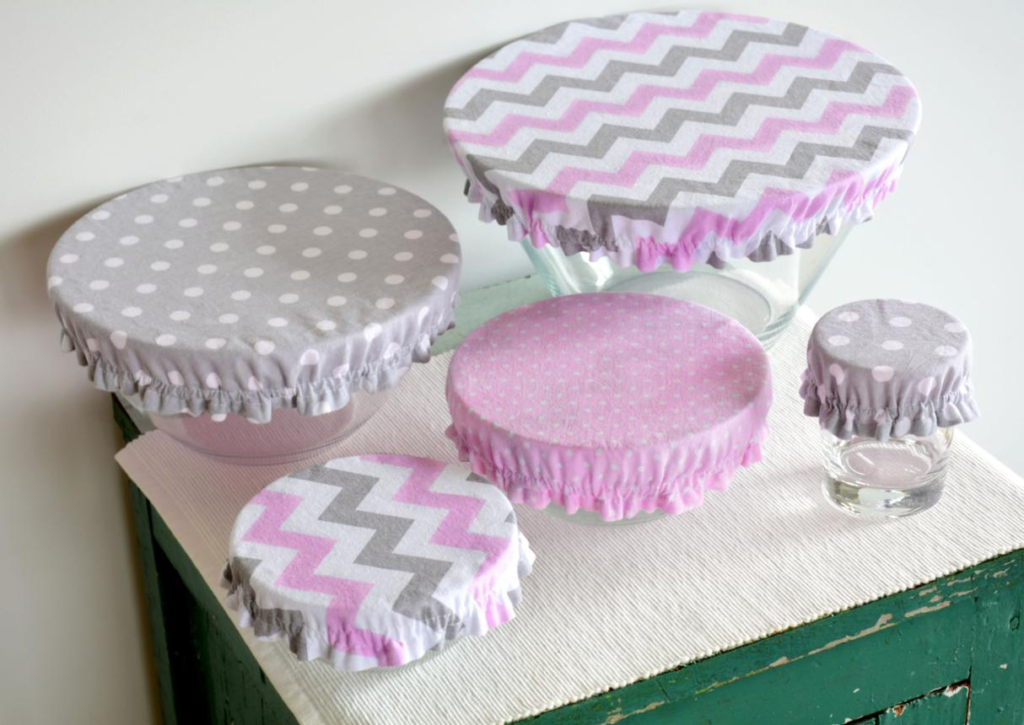
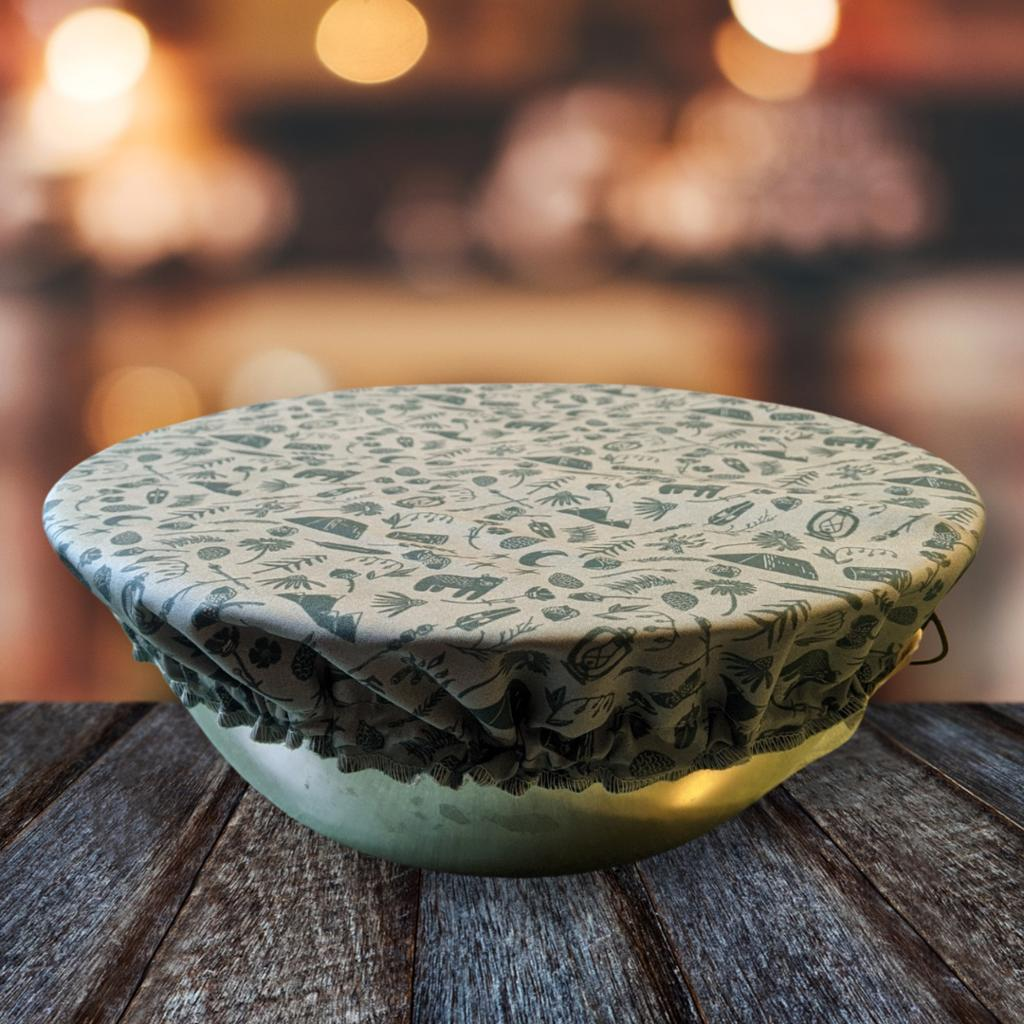
Reusable bowl covers are eco-friendly alternatives to plastic wrap—and they’re becoming increasingly popular.
Why They Sell
More people are trying to reduce waste. This is a practical product that solves a real problem.
What You Need
- Cotton fabric
- Elastic
- Optional: waterproof lining (like PUL)
How Simple Is It?
Cut a circle, sew a casing, insert elastic—done. You can easily make multiple sizes.
Selling Tips
- Offer sets (small, medium, large)
- Market as eco-friendly and reusable
- Show them in use (covering leftovers)
Pricing
- $10–$20 per set
4. Zipper Pouches
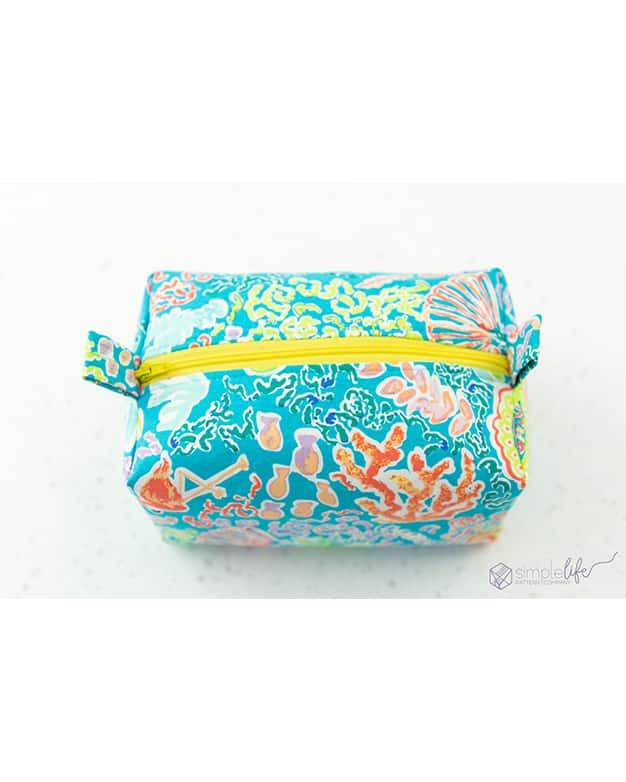
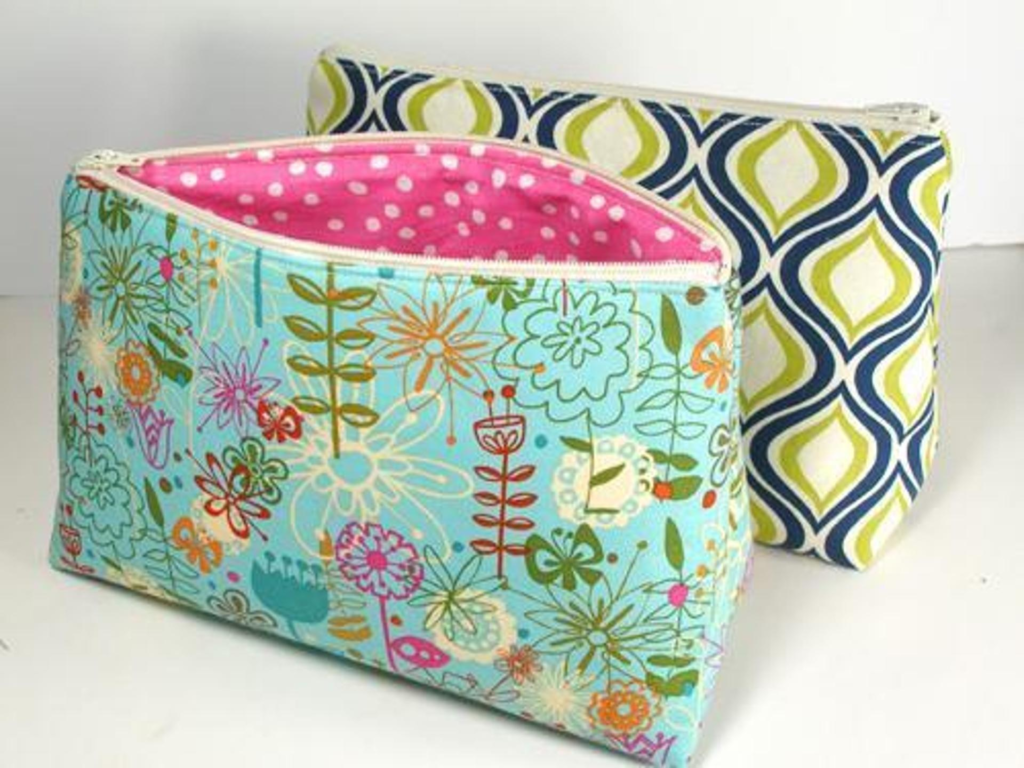
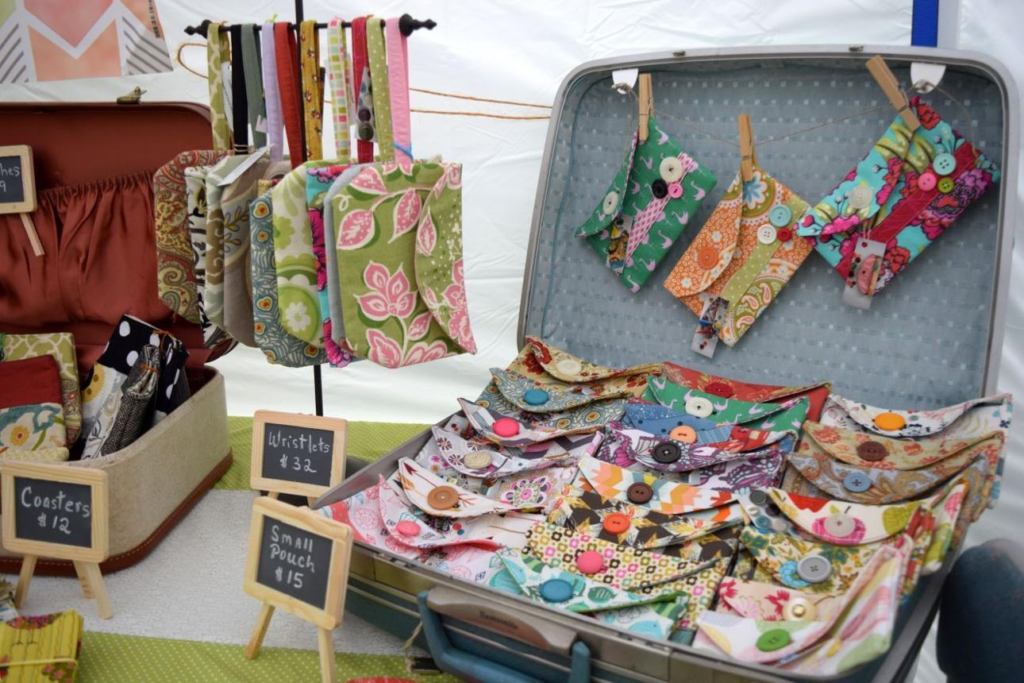
Zipper pouches look more advanced than they actually are, and they’re incredibly versatile.
Why They Sell
People use them for everything—makeup, school supplies, travel, and organization.
What You Need
- Fabric (outer + lining)
- Zipper
- Basic sewing skills
How Simple Is It?
If you can sew a straight line and install a zipper, you can make these. There are tons of beginner-friendly patterns.
Selling Tips
- Offer different sizes (small cosmetic, medium pouch, large bag)
- Use fun or themed fabrics
- Add personalization (names or initials)
Pricing
- $8–$25 depending on size and detail
5. Fabric Bookmarks
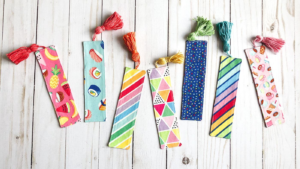
Fabric bookmarks are quick, scrap-friendly, and perfect for readers—especially if you’re targeting teachers, students, or book lovers.
Why They Sell
They’re affordable, giftable, and easy to ship. Plus, they’re great add-on purchases.
What You Need
- Fabric scraps
- Batting or interfacing
- Optional: ribbon or tassel
How Simple Is It?
Straight seams, simple shapes—perfect for beginners or quick production.
Selling Tips
- Pair with reading themes
- Sell in bundles
- Target teachers and students
Pricing
- $3–$8 each
- Bundles: $10–$20
How to Start Selling This Week
Now that you have project ideas, here’s a simple plan to get started immediately:
Step 1: Pick ONE Product
Don’t try to do all five at once. Choose one item and focus on making it well.
Step 2: Make a Small Batch
Create 5–10 items to start. This keeps your costs low and lets you test what sells.
Step 3: Take Simple Photos
You don’t need professional equipment:
- Use natural light
- Clean background (table, wood surface, neutral fabric)
- Show the product in use
Step 4: Choose Where to Sell
Start simple:
- Facebook Marketplace
- Local community groups
- Etsy (if you want to scale)
- Craft fairs or local events
Step 5: Price for Profit
Make sure you cover:
- Materials
- Time
- Fees (if selling online)
Don’t underprice—your time matters.
Quick Profit Tips for Beginners
If your goal is to make money quickly, keep these in mind:
- Batch your work: Cut multiple pieces at once
- Use fabric scraps: Lower your costs
- Stick to simple designs: Speed matters more than complexity
- Watch trends: Seasonal items sell fast
- Offer bundles: Increase your average sale
Final Thoughts
Starting a sewing side hustle doesn’t have to be overwhelming or expensive. In fact, the simplest projects are often the most profitable—especially when you’re just getting started.
Dog bandanas, scrunchies, bowl covers, zipper pouches, and fabric bookmarks are all beginner-friendly, low-cost, and in demand. With just a few hours of work, you could have products ready to list and sell by the end of the week.
The key is to start small, stay consistent, and focus on creating items people actually use.
If you’ve been waiting for the “perfect time” to start selling your sewing projects—this is it.
Subscribe to our newsletter for more great sewing ideas!