If you are starting or growing a sewing business, one of the biggest questions is: Should I sell on Etsy or Shopify?
Both platforms can work well for sewing businesses, but they serve very different purposes. Etsy is a marketplace where shoppers are already searching for handmade items, sewing patterns, gifts, and craft supplies. Shopify is your own online store where you control the branding, customer experience, and long-term business growth.
The best choice depends on what you sell, how much traffic you already have, and how much control you want over your business.
Let’s break down the differences so you can decide which option makes the most sense for your sewing business.
What Is Etsy?
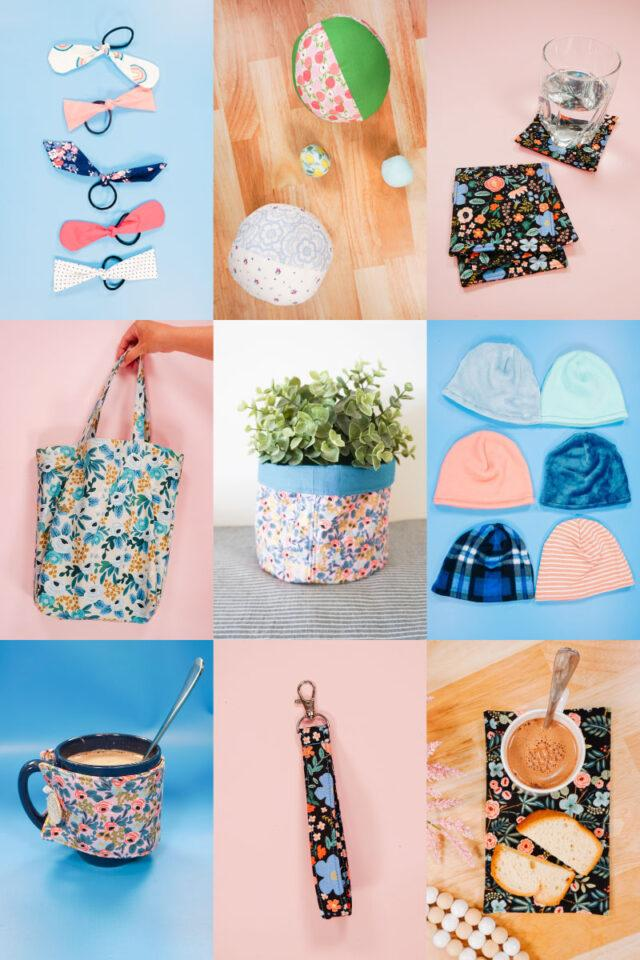
Etsy is an online marketplace known for handmade goods, vintage items, craft supplies, and digital products. For sewing business owners, Etsy can be a great place to sell things like:
- PDF sewing patterns
- Finished handmade bags
- Bowl cozies
- Keychains and small accessories
- Embroidered gifts
- Sewing templates and planners
- Handmade home decor
- Seasonal sewn items
The biggest benefit of Etsy is that shoppers are already there. You do not have to build a website from scratch before people can find your products.
Etsy charges a listing fee of $0.20 per listing, and listings expire after four months. Etsy also charges a 6.5% transaction fee on the total order amount, and payment processing fees are separate and vary by country.
What Is Shopify?
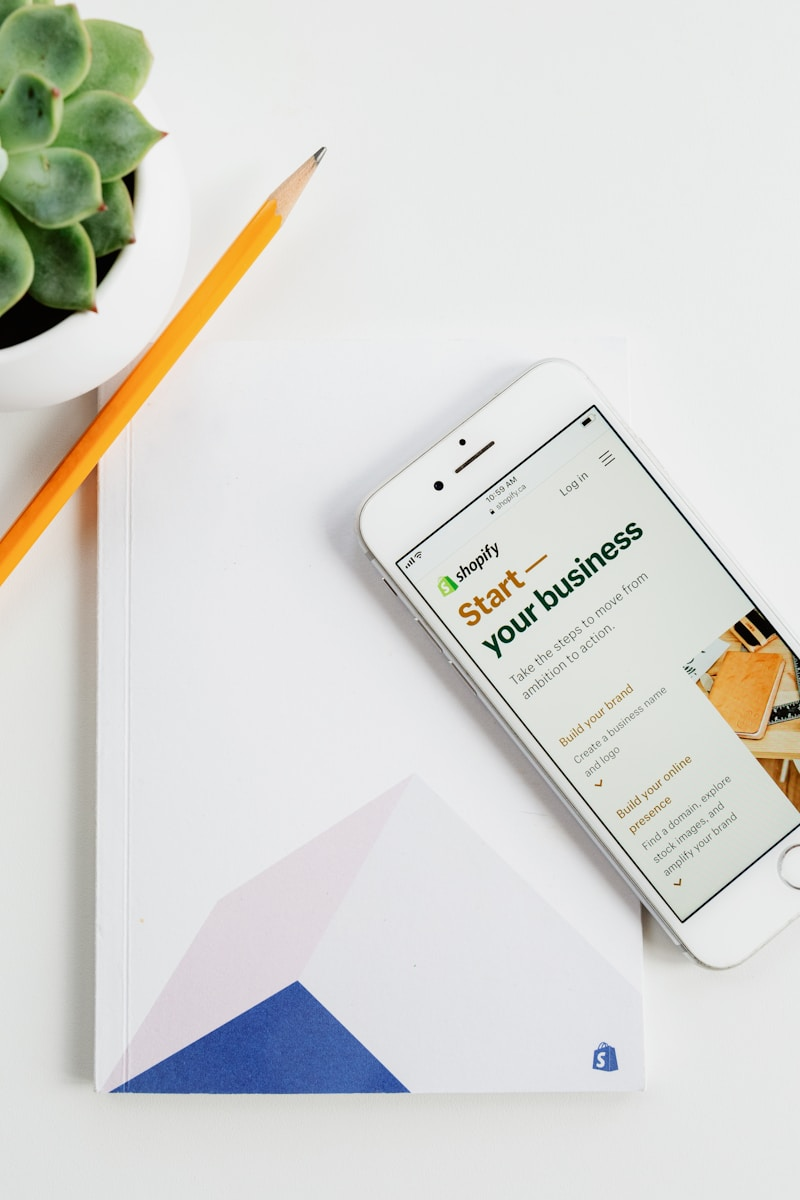
Shopify is an ecommerce platform that lets you build your own online store. Instead of your products being listed inside a marketplace, your shop has its own website.
For a sewing business, Shopify can be used to sell:
- Digital sewing patterns
- Finished handmade products
- Fabric kits
- Courses or workshops
- Downloadable sewing planners
- Bundles
- Memberships
- Branded product collections
Shopify gives you more control over your brand, website design, customer list, and sales process. Current Shopify plans include Basic, Grow, Advanced, and Plus, with monthly pricing listed on Shopify’s pricing page. Shopify also lists online card rates that vary by plan.
Etsy vs Shopify: The Biggest Difference
The simplest way to think about it is this:
Etsy gives you access to shoppers. Shopify gives you control.
On Etsy, you are selling in a marketplace. That means customers can find you through Etsy search, but they can also easily compare your products to hundreds of similar listings.
On Shopify, you are building your own store. That means you are not competing side-by-side with other sellers on the same page, but you are responsible for getting people to your website.
Neither one is automatically better. They are just different tools.
Why Etsy Works Well for Sewing Businesses
Etsy is especially helpful when you are still testing product ideas. For example, if you are not sure whether people want a sunglasses case pattern, a dog waste bag holder pattern, or a bowl cozy template, Etsy can help you test demand quickly.
You can list a product, optimize the title and tags, add good mockup photos, and see whether shoppers respond.
Etsy is also beginner-friendly because you do not need to design a full website. You can open a shop, create listings, and begin selling without learning much about web design.
Etsy is a good choice if:
- You are just starting your sewing business.
- You do not have an email list yet.
- You want access to marketplace traffic.
- You sell giftable handmade items.
- You sell digital sewing patterns or templates.
- You want to test product ideas before building a full website.
- You are comfortable competing with other sellers in search results.
For many sewing sellers, Etsy is the easiest place to begin.
The Downsides of Etsy
The biggest downside of Etsy is that you do not fully own the customer experience. Your shop is part of Etsy’s marketplace, so your branding has limits.
You also have to work within Etsy’s rules, search algorithm, fees, and marketplace changes. If Etsy changes how listings are shown in search, it can affect your sales.
Another challenge is competition. If you sell a bowl cozy pattern, for example, a shopper may see dozens of other bowl cozy patterns at the same time. That can lead to price comparison and pressure to discount your products.
Etsy also has optional and automatic advertising-related fees in certain cases. Etsy’s Offsite Ads fee may be 15% for shops under a certain sales threshold unless they opt out, and 12% for shops that meet Etsy’s stated sales threshold.
This does not mean Etsy is bad. It just means you need to price your products carefully.
Why Shopify Works Well for Sewing Businesses
Shopify is a strong choice when you are ready to build a brand, not just list products.
If you want The Practical Stitcher, for example, to become a recognizable sewing brand with patterns, tutorials, digital downloads, and maybe courses later, Shopify gives you more room to grow.
With Shopify, you can create your own product categories, write blog posts, collect email subscribers, offer bundles, and design a shopping experience that feels like your brand.
Shopify is a good choice if:
- You already have an audience.
- You get traffic from Pinterest, YouTube, Instagram, or your blog.
- You want to build an email list.
- You want more control over your branding.
- You want to sell product bundles or collections.
- You want to avoid marketplace competition on each listing page.
- You are ready to drive your own traffic.
Shopify is not just a place to sell. It is a home base for your business.
The Downsides of Shopify
The biggest downside of Shopify is that traffic is your responsibility.
On Etsy, people are already searching. On Shopify, you have to bring people to your store through Pinterest, Google, social media, email marketing, ads, or blog content.
Shopify also has a monthly cost. Shopify currently lists Basic, Grow, Advanced, and Plus plans, with yearly pricing shown separately from monthly pricing.
You may also need apps for digital downloads, reviews, email marketing, upsells, or other features. Those extra costs can add up.
Shopify can absolutely be worth it, but it usually works best when you already have a traffic plan.
Which Platform Is Better for Digital Sewing Patterns?
Both platforms can work for digital sewing patterns.
Etsy is great for getting your PDF patterns in front of shoppers who are already searching for things like “beginner sewing pattern,” “bowl cozy pattern,” or “zipper pouch pattern.”
Shopify is better if you want to build a branded pattern shop with collections, tutorials, bundles, and your own customer list.
For digital sewing patterns, the best strategy may be to use both:
- Use Etsy for discovery.
- Use Shopify for brand-building.
- Use your blog and Pinterest to drive traffic to your own website.
- Use your email list to announce new pattern releases.
This way, Etsy can help new customers find you, while Shopify helps you build a business that does not depend entirely on a marketplace.
Which Platform Is Better for Handmade Sewing Products?
For finished handmade items, Etsy is often a strong starting point because shoppers go there looking for gifts and handmade goods.
Items like handmade bags, keychains, seasonal decor, baby gifts, and embroidered items can do well if your photos, SEO, and pricing are strong.
Shopify can also work for handmade sewing products, but you need a clear marketing plan. If you are sending traffic from Pinterest, TikTok, Instagram, craft fairs, or your blog, Shopify can help you build a more professional brand experience.
A good approach is to start with Etsy, identify your bestsellers, and then build a Shopify store around your strongest product categories.
Should You Use Etsy and Shopify Together?
For many sewing businesses, the answer is yes.
You do not have to choose only one forever. Etsy and Shopify can work together in different ways.
You might use Etsy as your marketplace shop and Shopify as your main website. Or you might start on Etsy, then move your focus to Shopify once your brand grows.
A simple strategy could look like this:
- Start on Etsy to test product ideas.
- Track which products sell best.
- Create blog posts and Pinterest pins around those products.
- Build an email list.
- Open a Shopify store when you have steady traffic or repeat customers.
- Use Etsy for discovery and Shopify for long-term growth.
This gives you the benefits of both platforms without depending completely on one.
Quick Comparison: Etsy vs Shopify for Sewing Businesses
| Feature | Etsy | Shopify |
|---|---|---|
| Best for | Beginners, product testing, marketplace discovery | Brand-building, long-term growth, owning your store |
| Traffic | Built-in marketplace traffic | You drive your own traffic |
| Branding | Limited | Full control |
| Monthly cost | No standard monthly shop subscription, but listing and selling fees apply | Monthly subscription required |
| Competition | High, because shoppers see similar listings | Lower on your own site |
| Customer ownership | Limited | Stronger customer and email list control |
| Best sewing products | Patterns, small gifts, handmade items, seasonal items | Pattern collections, bundles, courses, branded products |
My Recommendation for Sewing Business Owners
If you are brand new, start with Etsy.
It is easier to set up, it gives you access to shoppers, and it lets you test your sewing product ideas without building a full ecommerce site first.
Once you have products that are selling consistently, start thinking about Shopify.
Shopify becomes more valuable when you have traffic, a clear brand, and a plan for bringing customers to your store. That might come from Pinterest, blogging, YouTube, craft fairs, social media, or an email list.
For most sewing businesses, the smartest path is not Etsy or Shopify.
It is Etsy first, Shopify next, and your own audience always.
Final Thoughts
Etsy and Shopify can both be useful for sewing businesses, but they solve different problems.
Etsy helps people find you.
Shopify helps people remember you.
If you are selling sewing patterns, handmade gifts, or digital sewing resources, Etsy can be a great place to start. But if you want to build a long-term brand with more control, Shopify is worth considering as your business grows.
The goal is not just to make one sale. The goal is to build a sewing business that can grow over time.
Subscribe to our newsletter!