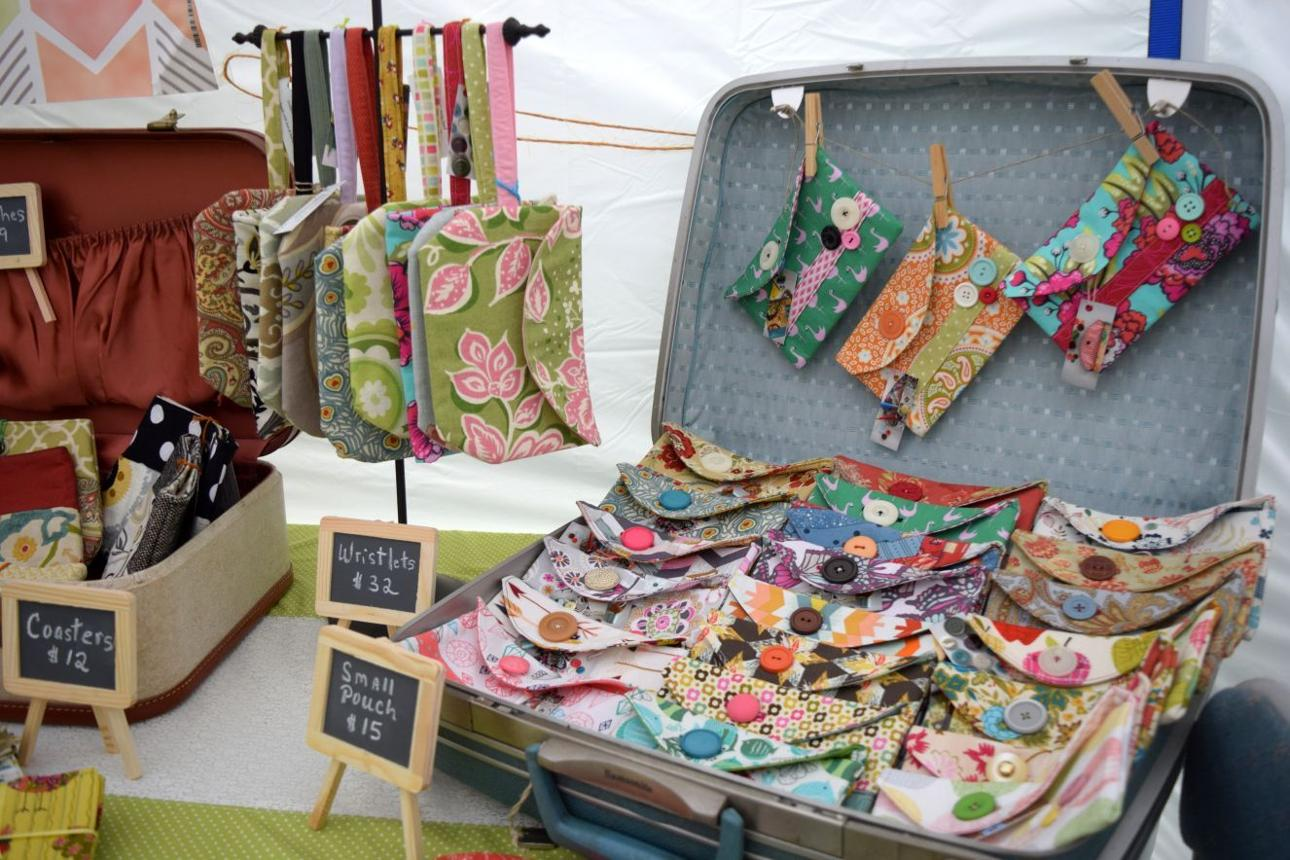
Selling handmade items locally is one of the best ways to turn your creative hobby into extra income. Whether you sew bags, make bowl cozies, create embroidered towels, sell handmade gifts, or design seasonal home decor, local selling gives you a chance to connect with customers face-to-face and learn what people actually want to buy.
The good news? You do not need a huge inventory, a fancy booth, or years of business experience to get started. You just need a plan, a few products, and the confidence to put your work in front of people.
Here’s how to start selling handmade items locally without feeling overwhelmed.
Start With a Small Product Line
When you are just getting started, it is tempting to make everything. You might want to sew tote bags, zipper pouches, aprons, scrunchies, baby gifts, holiday decor, and table runners all at once.
But too many options can make things harder.
Instead, choose a small product line of items that are easy to make, easy to price, and easy to display. A focused product line also makes your booth or table look more professional.
Some good handmade items to sell locally include:
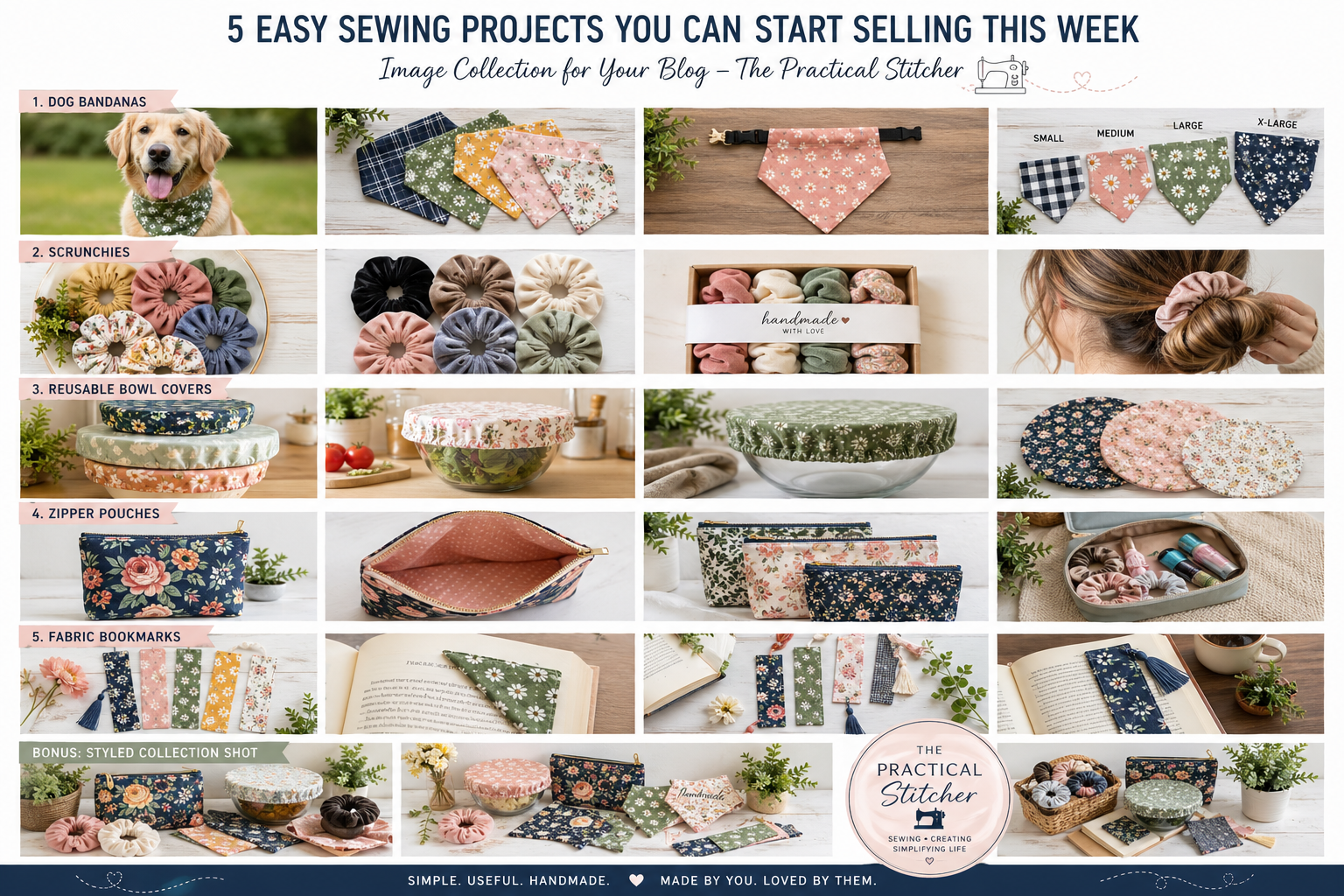
- Zipper pouches
- Bowl cozies
- Reusable snack bags
- Keychains
- Chapstick holders
- Sunglasses cases
- Dog bandanas
- Tote bags
- Fabric baskets
- Seasonal garlands
- Monogrammed towels
- Handmade ornaments
- Baby bibs or burp cloths
Choose items that you can make repeatedly without spending too much time on each one. Local selling works best when you can produce items efficiently and still make a profit.
Know Your Ideal Customer
Before you start selling, think about who is most likely to buy your handmade items.
Are you making gifts for moms, teachers, pet owners, brides, new parents, or people who love seasonal home decor? Knowing your customer helps you decide what to make, how to price it, and where to sell it.
For example, if your products are practical sewn gifts, you might do well at school craft fairs, church bazaars, local holiday markets, and community festivals. If you make personalized or monogrammed items, you may want to connect with local moms’ groups, bridal groups, or small boutiques.
You do not need to appeal to everyone. You just need to appeal to the right people.
Price Your Handmade Items for Profit
Pricing can be one of the hardest parts of selling handmade items. Many makers underprice their work because they worry people will not pay more.
But remember: handmade items are not the same as mass-produced products. Your time, materials, skill, and creativity all have value.
A simple pricing formula is:
Materials + Labor + Overhead + Profit = Retail Price
Materials include fabric, thread, interfacing, zippers, snaps, packaging, tags, and any other supplies used to make the item.
Labor is the amount of time it takes you to make the item. Choose an hourly rate for yourself and include that in your pricing.
Overhead includes things like sewing machine maintenance, booth fees, business cards, labels, website costs, and tools.
Profit is what allows your handmade business to grow.
If you sell a zipper pouch for $8 but it takes $4 in supplies and 30 minutes to make, you may not be making enough to justify your time. Look carefully at each item and make sure the numbers make sense.
Make Your Items Look Gift-Ready
One of the biggest advantages of selling handmade items locally is that people often buy them as gifts. Your job is to make that decision easy.
Simple packaging can make a big difference. You do not have to spend a lot of money, but your items should look neat, clean, and ready to give.
Consider adding:
- Product tags
- Care instructions
- Simple kraft paper packaging
- Ribbon or twine
- A small thank-you card
- Business card with your website or social media
- Price tags that are easy to read
Packaging helps your handmade items feel more professional and can justify a higher price point.
Choose the Right Local Places to Sell
There are many ways to sell handmade items locally, and you do not have to start with a large craft fair.
Some places to consider include:
Craft Fairs and Vendor Markets
These are great for testing your products and meeting customers in person. Start with smaller local events before investing in larger shows with higher booth fees.
Farmers Markets
Many farmers markets allow handmade vendors. These can be especially good for practical items like reusable bags, kitchen items, aprons, and seasonal gifts.
School and Church Events
Holiday bazaars, school fundraisers, and church craft fairs can be great places to sell affordable handmade gifts.
Local Boutiques
Some small shops sell handmade items on consignment or wholesale. This can be a good option once you have a consistent product line.
Pop-Up Shops
Coffee shops, salons, gyms, libraries, and community centers may host local vendor events or allow occasional pop-ups.
Word of Mouth
Never underestimate friends, family, coworkers, neighbors, and local community groups. Many handmade businesses begin with people saying, “Can you make one for me?”
Start With One Event
You do not need to sign up for five markets at once. Start with one local selling event and use it as a learning experience.
Before the event, prepare:
- A small but full-looking inventory
- Prices for every item
- A tablecloth
- Simple display pieces
- Bags for customers
- Change for cash payments
- A way to accept cards or digital payments
- Business cards or flyers
- A notebook to track what sells
After the event, write down what worked and what did not. Which items sold first? Which items got compliments but no purchases? Did people ask for different colors, sizes, or personalization?
This information is incredibly valuable.
Create a Simple Booth Display
Your display does not have to be expensive, but it should be inviting and easy to shop.
Use height to make your table more interesting. Small crates, baskets, trays, shelves, or stands can help customers see your products better.
Group similar items together. For example, put all zipper pouches in one basket, bowl cozies in another area, and keychains near the front for impulse buys.
Make sure your prices are easy to find. If shoppers have to ask the price of every item, some may walk away instead.
A clear, pretty display can make your handmade items feel more valuable.
Offer Items at Different Price Points
At local markets, it helps to have a range of prices. Some customers may be ready to buy a larger gift, while others may only want a small item.
You might offer:
- Low-priced impulse items: keychains, bookmarks, scrunchies, chapstick holders
- Mid-priced gifts: zipper pouches, bowl cozies, sunglasses cases, dog bandanas
- Higher-priced items: tote bags, gift sets, aprons, table runners, personalized items
Small items are great because people can buy them without thinking too hard. Larger items can increase your total sales when the right customer comes along.
Take Custom Orders Carefully
Custom orders can be a great way to grow your handmade business, but they can also become stressful if you are not careful.
Before accepting custom work, be clear about:
- Price
- Timeline
- Fabric options
- Personalization details
- Payment expectations
- Whether deposits are required
- Whether the item is returnable
Custom orders should cost more than ready-made items because they require extra communication and planning.
Do not feel pressured to say yes to every custom request. It is okay to say, “That is not something I offer right now.”
Use Local Facebook Groups and Social Media
Local social media can help you sell between events.
Post clear photos of your items, share where you will be selling next, and let people know when you are taking orders.
Good places to share include:
- Local Facebook groups
- Community buy/sell groups
- Neighborhood groups
- Your business page
- Email list, if you have one
When posting, focus on how the item can be used. Instead of simply saying, “Zipper pouch for sale,” try something like, “These zipper pouches are perfect for teacher gifts, purse organization, makeup, or travel.”
Help customers imagine buying and using the item.
Track Your Sales and Expenses
Even if you are starting small, track your numbers from the beginning.
Keep a record of:
- Materials purchased
- Booth fees
- Items made
- Items sold
- Best-selling products
- Profit from each event
- Custom orders
- Customer requests
This helps you know what is actually making money. Sometimes the item that sells the most is not the most profitable. Tracking your numbers keeps your handmade business from becoming an expensive hobby.
Build Relationships With Local Customers
Selling locally is about more than making a quick sale. It is about building trust.
Be friendly, answer questions, and tell customers a little about your handmade process. People love knowing that an item was made by a real person in their community.
Include a business card or tag with every purchase so customers can find you again. Repeat customers are incredibly valuable, especially around holidays, birthdays, teacher appreciation week, Mother’s Day, and Christmas.
Do Not Wait Until Everything Is Perfect
One of the biggest mistakes new handmade sellers make is waiting too long to start.
You do not need the perfect logo, the perfect booth setup, or hundreds of items in inventory. You can start small and improve as you go.
Your first local event will teach you more than weeks of planning. You will learn what people pick up, what they ask about, what they buy, and what they ignore.
That information will help you make better products and better business decisions.
Final Thoughts
Selling handmade items locally is a wonderful way to earn money from your creative skills. Start with a small product line, price your items for profit, choose one local event, and pay attention to what customers want.
You may be surprised by how many people are looking for unique, useful, handmade gifts right in your own community.
Start small, keep learning, and let your handmade business grow one step at a time.
Subscribe to our newsletter!